



Top-rated arborists.

Get matched with top arborists in Dodge, NE

Enter your zip and get matched with up to 5 pros

Need a pro for your arboricultural service project in Dodge, NE?

Select your specific project to find the pro for you.

Find Arborists in Dodge

Avatar for M. S. Wiekhorst Arbor Company
M. S. Wiekhorst Arbor Company
5.0(
10
)
Tree RemovalTree Removal - For BusinessTree Stump - Remove+5 more

Serving Dodge, NE and surrounding areas

Free estimates

Emergency services offered

Warranties offered

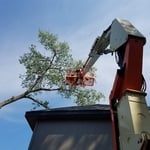
"The services performed went as smooth as expected. Mike was able to trim our biggest tree and remove an entire evergreen that had been exposed to bag worms. The work was quick and efficient and I would highly recommend him to anyone. We will definitely utilize his expertise in the future."

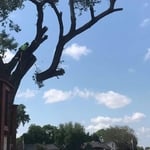
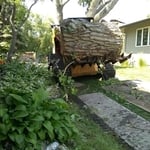
Large Cottonwood Removal

+12

Response time2 days
Recommended by100%of homeowners

Arborists questions, answered by experts

The lifespan of a bird's nest depends on the species. The building process can take from two days to three weeks. Once built, the nesting period for baby birds can last from two to ten weeks before they leave the nest. While most young birds are ready in two to six weeks, some predatory species may need up to two and a half months. Some species nest four to five times per year, so a nest could remain in use for several months. For specific information about a particular nest's longevity, it is best to consult a wildlife professional.

You should avoid cutting off the top of mature cherry trees. This process is called tree topping, and it’s not recommended for cherry trees—or any trees, for that matter. Tree topping removes between one-third to half of the length of the tree trunk, resulting in structurally unsound, fruitless suckers. The only exception is for saplings. Young pie, sour, and tart cherry trees that are over 30 inches tall in the fall or winter before the tree blooms can benefit from heading cuts.

Unfortunately, palm tree stumps are one of the most difficult types to remove due to how their roots grow. Unlike other trees, palm tree roots grow horizontally and vertically. Palm tree roots grow as deep as three feet into the ground, although soil and growing conditions could mean they go as far as 50 inches into the earth. 

If you want to be able to repurpose the grass in the area where you removed a stump later, you’ll have to dig quite deep—and perhaps wide—to trim away all the roots.

After a big storm, you may not be sure if a tree was struck or not. Look for the telltale long scars, like strips or gouges in the bark of the tree, running in sometimes jagged lines down the length of the trunk. These scars will often show vulnerable living wood inside the tree. It’s also common to see scorched or wilted leaves on the side or top of the tree where lightning struck.

Palm tree stumps can take as long as seven to ten years to rot naturally. Whereas some tree stumps rot within a year, palm trees tend to last longer due to their deep root networks. Chemical rotting (described above) can help speed the process up so your palm tree stumps rot in under two months.

The Dodge, NE homeowners’ guide to arboricultural services

From average costs to expert advice, get all the answers you need to get your job done.