





Top-rated arborists.

Get matched with top arborists in Humphrey, NE

Enter your zip and get matched with up to 5 pros

Need a pro for your arboricultural service project in Humphrey, NE?

Select your specific project to find the pro for you.

Find Arborists in Humphrey

Avatar for GCL Construction
GCL Construction
New to Angi

Serving Humphrey, NE and surrounding areas

In business since 2023

Free estimates

Credit card accepted

Gabino Construction, LLC is your trusted partner for all your concrete needs in Nebraska. Our team of experts are dedicated to delivering exceptional results that exceed your expectations. With our attention to detail and commitment to quality, we stand out from the competition. Contact us today to transform your home into the space of your dreams.

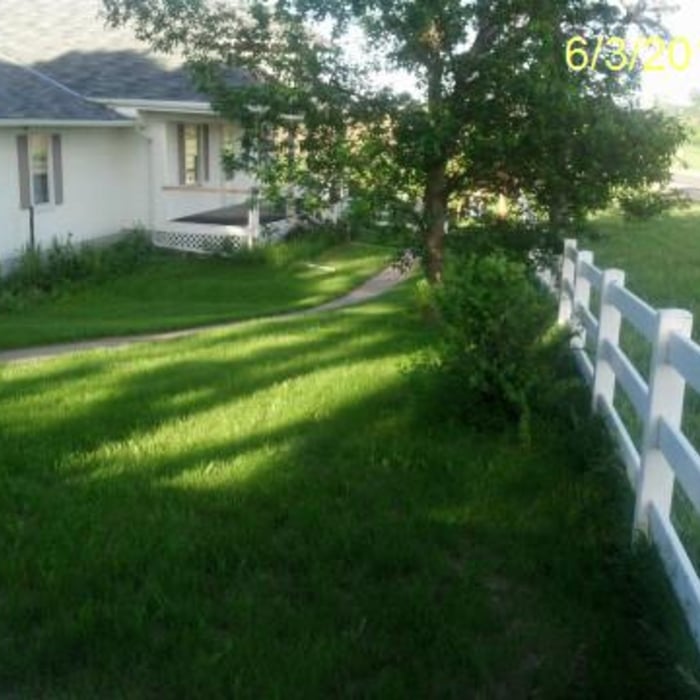
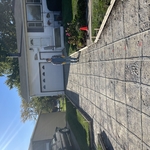
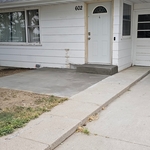
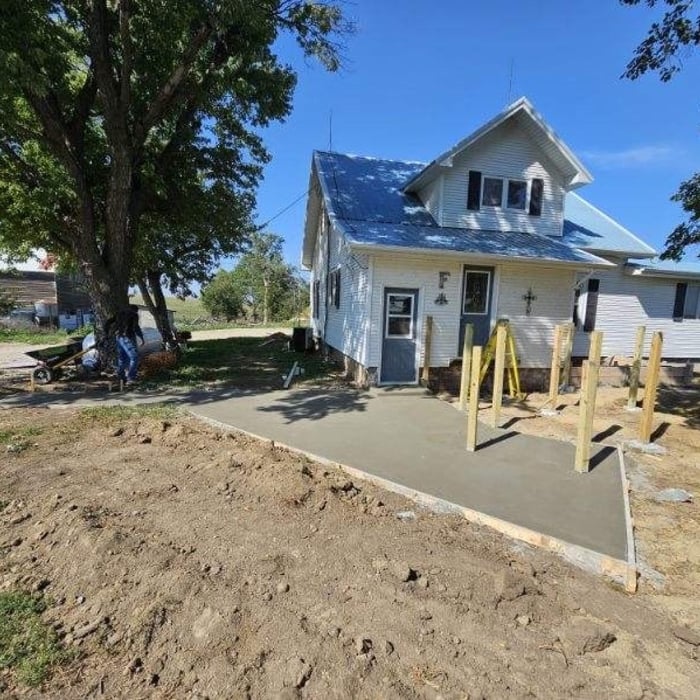
Concrete - Pouring & Repair Project
Driveway
Front patio
Driveway
patio

+28

Arborists questions, answered by experts

There are many signs that a tree is diseased or dying, and if you suspect that’s the case, you should call an arborist immediately. You might notice rot or fungus on the trunk or that the tree is beginning to lean to one side. Brittle branches or signs of root damage are other indicators that a tree is in trouble. If the tree is dying, it might be time to cut the tree down so it doesn’t fall.

Not all leaning trees are dangerous, but they can be a hazard as gravity may eventually cause them to fall. A key factor is whether the lean is new or has been present for a long time. Trees that have grown with a lean for years are not typically an immediate danger, but a sudden lean is a cause for concern as it often indicates weakening roots. If a tree is leaning more than 15% from vertical, you should consider having it straightened or transplanted. To be safe, it's always best to hire a professional arborist to inspect any leaning tree to assess the risk and avoid potential accidents.

You can use the formula mentioned earlier to calculate the depth of tree roots. Each inch of width of a tree trunk translates to six inches of depth within the root system. Large trees extend anywhere from 2 to 6 feet into the ground, with some magnificent specimens going even deeper.

The best time to prune Japanese flowering cherry trees depends on where you live and the type of flowering cherry tree. Some trees benefit from being pruned toward the end of winter or early spring, after the last freeze. Meanwhile, other trees do well after blooming, in late spring or early summer. Avoid pruning your flowering cherry tree in the early winter, as this encourages open wounds that can lead to infections or infestations. 

Yes, forestry mulching can grind stumps, but the level of effectiveness depends on the equipment used. Drum mulchers can break down smaller stumps, but larger or deep-rooted stumps may require a dedicated stump grinder for complete removal. If full stump removal is necessary for replanting or construction, additional excavation may be needed. Always check with your forestry mulching provider to confirm whether they offer stump grinding and if their equipment is suitable for your specific needs.

The Humphrey, NE homeowners’ guide to arboricultural services

From average costs to expert advice, get all the answers you need to get your job done.