




Top-rated arborists.

Get matched with top arborists in Shelby, NE

Enter your zip and get matched with up to 5 pros

Need a pro for your arboricultural service project in Shelby, NE?

Select your specific project to find the pro for you.

TRUSTED BY SHELBY, NE HOMEOWNERS

  • Average homeowner rating star icon4.9
    Average homeowner rating
  • Verified reviews icon29
    Verified arboricultural services reviews

Find Arborists in Shelby

Avatar for M. S. Wiekhorst Arbor Company
M. S. Wiekhorst Arbor Company
5.0(
10
)
Tree RemovalTree Removal - For BusinessTree Stump - Remove+5 more

Serving Shelby, NE and surrounding areas

Free estimates

Emergency services offered

Warranties offered

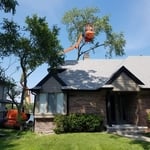
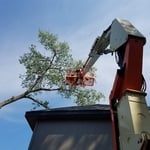
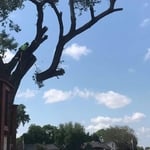
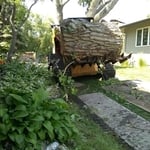
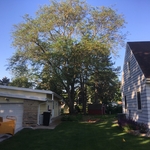
"The services performed went as smooth as expected. Mike was able to trim our biggest tree and remove an entire evergreen that had been exposed to bag worms. The work was quick and efficient and I would highly recommend him to anyone. We will definitely utilize his expertise in the future."
Large Cottonwood Removal

+12

Response time2 days
Response rate100%
Recommended by100%of homeowners
Showing 1-10 of 12
Arborists questions, answered by experts

You don’t always need a permit to grind a stump, but you might need one depending on your location and the stump’s surroundings. Permits are often needed if the stump is part of a protected tree species, near public areas or utility lines, or close to environmentally sensitive zones like wetlands. Some cities also regulate noise and work hours. Always check local rules before grinding, and contact your city or county office if you're unsure.

A grafted tree is a tree grown by combining two trees. It takes expertise. Branches from grafted trees don’t grow strong roots. Save yourself the time and frustration by having an arborist help you with this advanced project.  

You can often tell if a tree is grafted because it will have a noticeable line. Above the line, the bark will look different than it does below the line. It’s most common with fruit trees.

It’s not as common for Dutch elm disease to affect other types of trees, especially if the surrounding trees aren’t elms. However, it is possible for DED to spread to other trees, particularly in northern states, like Minnesota. In fact, it’s a good idea to use geography to identify wood and determine which types of trees are in your yard. 

Unfortunately, the complex and shallow root system of elm trees makes surrounding elm trees particularly vulnerable to DED. Early discovery is key!

Yes, it’s okay to trim low branches on a tree, also known as limbing up or raising the crown. Essentially, you’ll trim the lower third of the tree (trunk) and leave the upper two-thirds of the tree (crown). Arborists recommend trimming 20% of a tree’s leaves per season for two to three seasons. Trimming low branches allows light to flow through the tree, increasing circulation and making the tree stronger and healthier.

If the roots are still alive, the dead tree will usually try to put out new shoots. That doesn’t mean the tree will survive or that the dead parts of a tree will come back to life. If parts of the tree have died and turned gray or rotten, nothing will bring them back to life and they need to be safely removed.

The Shelby, NE homeowners’ guide to arboricultural services

From average costs to expert advice, get all the answers you need to get your job done.