





Top-rated arborists.

Best arborists near Osceola, NE

Enter your zip and get matched with up to 5 pros

Need a pro for your arboricultural service project in Osceola, NE?

Select your specific project to find the pro for you.

Top-Rated Arborists in Osceola - Updated Nov 2026

Avatar for M. S. Wiekhorst Arbor Company
M. S. Wiekhorst Arbor Company
5.0(
10
)
Tree RemovalTree Removal - For BusinessTree Stump - Remove+5 more

Serving Osceola, NE and surrounding areas

Free estimates

Emergency services offered

Warranties offered

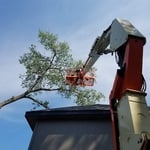
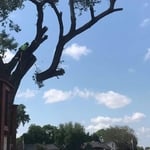
"The services performed went as smooth as expected. Mike was able to trim our biggest tree and remove an entire evergreen that had been exposed to bag worms. The work was quick and efficient and I would highly recommend him to anyone. We will definitely utilize his expertise in the future."
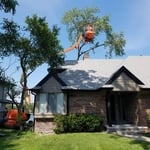
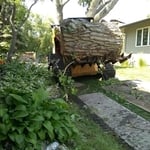
Large Cottonwood Removal

+12

Response time2 days
Response rate100%
Recommended by100%of homeowners
Showing 1-10 of 11
Arborists FAQs, answered by experts

It’s not always easy to tell when a tree is dying, although signs like dropping branches and brittle bark can sometimes offer clues. It can also be difficult to know whether a tree is dead or dormant, especially if it’s a deciduous tree. You’ll want to wait until a growth season to get a good idea of a tree’s health. When in doubt, contact an arborist for a consultation.

Not all leaning trees are dangerous, but they can be a hazard as gravity may eventually cause them to fall. A key factor is whether the lean is new or has been present for a long time. Trees that have grown with a lean for years are not typically an immediate danger, but a sudden lean is a cause for concern as it often indicates weakening roots. If a tree is leaning more than 15% from vertical, you should consider having it straightened or transplanted. To be safe, it's always best to hire a professional arborist to inspect any leaning tree to assess the risk and avoid potential accidents.

It depends on where you live—but in most areas, leaves begin falling in September and continue falling until January or February. Warmer regions, such as Southern states, may see leaves fall a bit later in the calendar year. It also depends on the type of trees in your yard and their maturity. 

There are a few differences between tree guying and tree staking. Tree guying requires anchor stakes that are shorter and stronger than regular stakes and are driven deeper into the ground at an angle away from the tree. Tree staking uses longer stakes that are set parallel to the tree and are used for smaller trees. Consult a local tree professional to determine which method is best for your tree.

Large, established tree branches won’t grow roots, but if you find a young tree branch that’s less than about a year old, you’ve got a shot. Put it in water or soil as soon as possible for best results. You’ll know the branch is viable if it’s about the thickness of a pencil and has some leaves or needles.

The Osceola, NE homeowners’ guide to arboricultural services

From average costs to expert advice, get all the answers you need to get your job done.