


Top-rated arborists.

Get matched with top arborists in Columbus, NE

Enter your zip and get matched with up to 5 pros

Need a pro for your arboricultural service project in Columbus, NE?

Select your specific project to find the pro for you.

TRUSTED BY COLUMBUS, NE HOMEOWNERS

  • Average homeowner rating star icon4.9
    Average homeowner rating
  • Verified reviews icon30
    Verified arboricultural services reviews

Find Arborists in Columbus

Avatar for TURBO TREE & LAWN SERVICE LLC
TURBO TREE & LAWN SERVICE LLC
4.8(
11
)

Serving Columbus, NE and surrounding areas

Approved

In business since 2025

Free estimates

Credit card accepted

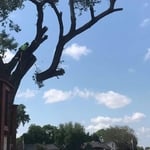
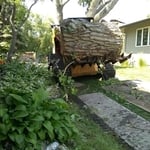
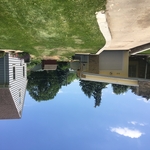
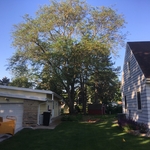
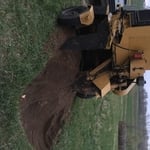
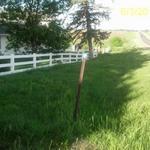
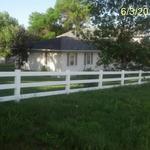
"These guys came out immediately and gave me a reasonable quote. Job was completed fast and they did an excellent job. No complaints and will be recommending to other people in my area."

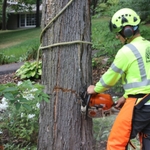
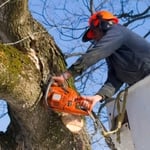
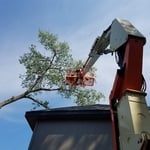
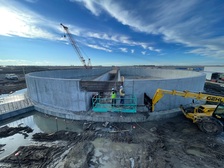
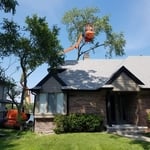
project photos
project photos
project photos
project photos
16 neighbors recently requested a quote
Showing 1-10 of 14
Arborists questions, answered by experts

Common signs that a tree is rotting include dead branches, a leaning trunk, peeling or cracked bark, leaf discoloration, and the presence of fungi. If you notice any of these signs, it’s best to hire an arborist near you to inspect your tree and determine if it can be saved or if it needs to come down.

Yes, the same rules discussed above apply to your neighbor: They can trim one of your trees as long as they’re only cutting the portion that extends into their property. Your neighbor is not allowed to access your property without permission, nor can they cut past the property line. 

All of the tree root removal methods mentioned above are effective on any kind of root, whether it’s still growing or simply needs a gentle nudge to finish decomposing. The only difference is that larger roots tend to be harder to remove and may require multiple chemical treatments as well as manual labor to eradicate.

There are a few differences between tree guying and tree staking. Tree guying requires anchor stakes that are shorter and stronger than regular stakes and are driven deeper into the ground at an angle away from the tree. Tree staking uses longer stakes that are set parallel to the tree and are used for smaller trees. Consult a local tree professional to determine which method is best for your tree.

As a general rule, the protected area should be about 1½ times as wide as the canopy of the tree’s leaves. This digging measurement can vary by tree species and the age of the tree. Of course, that can be a lot of fencing for larger trees, which is why our first step is about making difficult decisions on which trees to save.

The Columbus, NE homeowners’ guide to arboricultural services

From average costs to expert advice, get all the answers you need to get your job done.