


Top-rated arborists.

Get matched with top arborists in Leigh, NE

Enter your zip and get matched with up to 5 pros

Need a pro for your arboricultural service project in Leigh, NE?

Select your specific project to find the pro for you.

Find Arborists in Leigh

Avatar for M. S. Wiekhorst Arbor Company
M. S. Wiekhorst Arbor Company
5.0(
10
)
Tree RemovalTree Removal - For BusinessTree Stump - Remove+5 more

Serving Leigh, NE and surrounding areas

Free estimates

Emergency services offered

Warranties offered

"The services performed went as smooth as expected. Mike was able to trim our biggest tree and remove an entire evergreen that had been exposed to bag worms. The work was quick and efficient and I would highly recommend him to anyone. We will definitely utilize his expertise in the future."
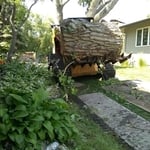
Large Cottonwood Removal

+12

Response time2 days
Recommended by100%of homeowners
Avatar for GCL Construction
GCL Construction
New to Angi
Tree RemovalTree Removal - For BusinessTree Stump - Remove+5 more

Serving Leigh, NE and surrounding areas

In business since 2023

Free estimates

Credit card accepted

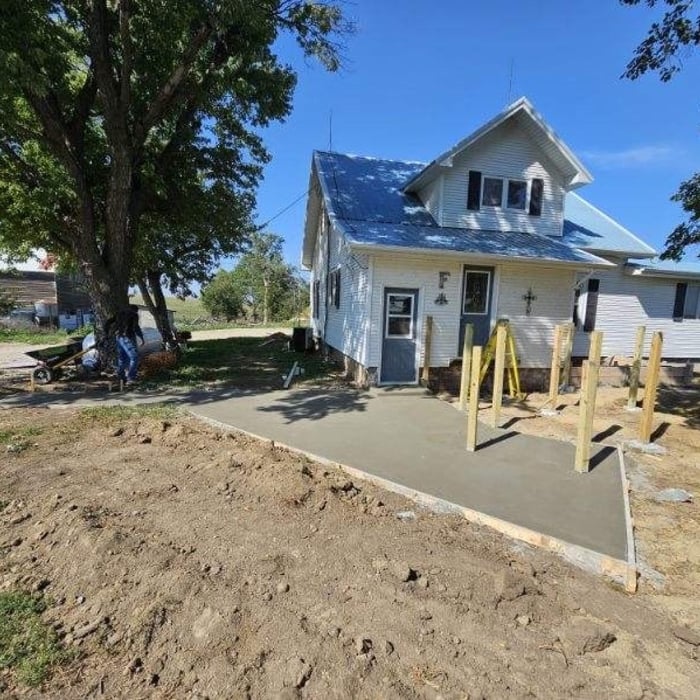
Gabino Construction, LLC is your trusted partner for all your concrete needs in Nebraska. Our team of experts are dedicated to delivering exceptional results that exceed your expectations. With our attention to detail and commitment to quality, we stand out from the competition. Contact us today to transform your home into the space of your dreams.

Concrete - Pouring & Repair Project
Driveway
Front patio
Driveway
patio

+28

Arborists questions, answered by experts

A general rule is that trees need 10 gallons of water for each inch of the tree’s diameter. For large trees, that can amount to approximately 160 gallons of water or more. Watering big trees to this extent can take quite a bit of time using a hose. For this reason, you may consider installing a soaker hose or sprinkler system to make the job easier.  

It takes anywhere from three to seven years for a stump to decompose on its own. This timeframe can depend on the kind of tree and your climate. The lower to the ground the stump is, the faster it rots. If you kill a tree stump with salt, boiling water, herbicide, light deprivation, or burning, the tree stump decomposes faster. 

Most trees can be successfully transplanted while they are young, but pines, walnuts, and some oak tree varieties are more difficult to move because their root systems grow deeper than most other trees. Also, trees adapted to sandy soil with wide root systems like beeches, willows, and aspens are harder to dig out because their roots spread much farther out from the trunk. In these cases, unless the trees are very young and small, it’s a good idea to consult a tree planting professional.

Stay inside or well away until the storm passes. Don’t go outside to inspect the tree until the weather clears, especially if the tree is on a hill or isolated in a field. Lightning often strikes the same easily-accessed places multiple times, and you could be a new target. If a lightning strike causes a noticeable fire, alert emergency services. When the storm is over, take a closer look to gauge the damage done.

Dead trees are dangerous for several reasons. They are structurally compromised and prone to branch or trunk failure, which can pose a significant safety risk to people, vehicles, and nearby structures. Dead trees can also harbor pests like termites, which may spread to other trees or your home. If a tree died from a disease, it could spread the illness to healthy trees. Additionally, the dry wood is highly flammable, increasing fire risk.

The Leigh, NE homeowners’ guide to arboricultural services

From average costs to expert advice, get all the answers you need to get your job done.