


Top-rated arborists.

Get matched with top arborists in Clarkson, NE

Enter your zip and get matched with up to 5 pros

Need a pro for your arboricultural service project in Clarkson, NE?

Select your specific project to find the pro for you.

Find Arborists in Clarkson

Avatar for M. S. Wiekhorst Arbor Company
M. S. Wiekhorst Arbor Company
5.0(
10
)
Tree RemovalTree Removal - For BusinessTree Stump - Remove+5 more

Serving Clarkson, NE and surrounding areas

Free estimates

Emergency services offered

Warranties offered

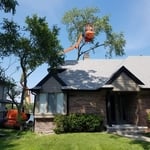
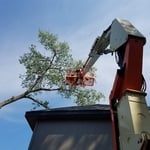
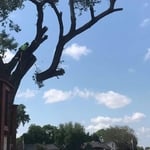
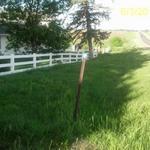
"The services performed went as smooth as expected. Mike was able to trim our biggest tree and remove an entire evergreen that had been exposed to bag worms. The work was quick and efficient and I would highly recommend him to anyone. We will definitely utilize his expertise in the future."
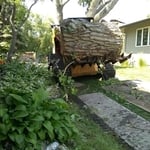
Large Cottonwood Removal

+12

Response time2 days
Response rate100%
Recommended by100%of homeowners
Arborists questions, answered by experts

The best time to transplant a tree is when it is dormant. For many trees, this means either in the fall after the leaves have dropped (around October or November) or in early spring before new growth begins (around March). The ideal timing can depend on the type of tree. Deciduous trees do well when moved in early spring or fall, while evergreens are best transplanted in early spring or late summer. For example, pine trees are best moved in early fall, but maples prefer late fall. Avoid transplanting in winter, as the frozen or hard, cold soil poses a significant risk to the roots and prevents the tree from acclimating properly.

Steer clear of the area and contact your utility company immediately. It will have a website portal and/or a phone number to report downed trees and electrical issues. If the tree appears to be on public land, you may want to call your local government and report the issue there, too.

Before you cut down a dead palm tree, try to revive it using the methods listed above. However, there are instances when it makes sense to remove a dead palm tree, including:

  • The heavily infected tree will infect nearby trees, bushes, and plants.

  • The palm’s roots are overtaking your yard, foundation, and sidewalk and causing structural damage.

  • The tree is unstable and a hazard to your property, your neighbor’s property, and pedestrians.

Whether you grind or dig up and remove your tree stump depends on your landscaping goals. Using a stump grinder leaves the root system in place for it to decompose over time, whereas digging up the tree stump removes the roots and the stump. Overall, stump grinding is a far simpler process since you won’t need to deal with the roots. Stump removal will make your yard look like a demolition site, but you’ll have an easier time replanting in the same place as your former tree.

Talking with a septic pro before planting trees near your tank is best to ensure the roots won’t interfere with your septic system. However, there is an easy way to figure out where to plant a tree—but you’ll need to know how tall it can get when it’s fully grown. For instance, if the tree can reach 50 feet, plant it at least 50 feet from your septic system.

The Clarkson, NE homeowners’ guide to arboricultural services

From average costs to expert advice, get all the answers you need to get your job done.