





Top-rated arborists.

Get matched with top arborists in Oakland, NE

Enter your zip and get matched with up to 5 pros

Need a pro for your arboricultural service project in Oakland, NE?

Select your specific project to find the pro for you.

Find Arborists in Oakland

Avatar for M. S. Wiekhorst Arbor Company
M. S. Wiekhorst Arbor Company
5.0(
10
)
Tree RemovalTree Removal - For BusinessTree Stump - Remove+5 more

Serving Oakland, NE and surrounding areas

Free estimates

Emergency services offered

Warranties offered

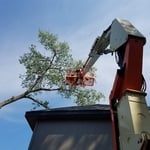
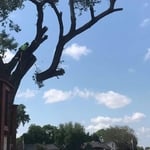
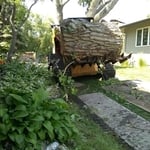
"The services performed went as smooth as expected. Mike was able to trim our biggest tree and remove an entire evergreen that had been exposed to bag worms. The work was quick and efficient and I would highly recommend him to anyone. We will definitely utilize his expertise in the future."
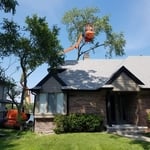
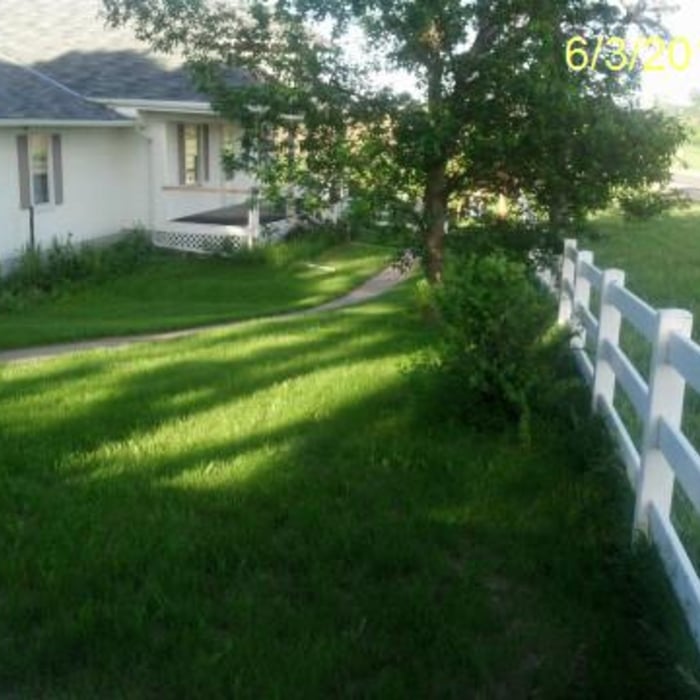
Large Cottonwood Removal

+12

Response time2 days
Response rate100%
Recommended by100%of homeowners
Arborists questions, answered by experts

You can hire a professional arborist or tree removal service to cut down a tree to ensure safety, prevent property damage, and comply with all the local regulations. It’s highly advisable to always hire a professional, as tree removal can be extremely dangerous, especially for large or damaged trees. Certified arborists or tree removal experts have the proper equipment, training, and insurance to do the job safely and efficiently. They can also handle cleanup, stump removal, and obtaining the necessary permits.

Early signs that a tree is struggling include premature leaf shedding and lesions or other strange markings. Peeling bark, dead or rotten branches on the ground, and a conspicuous lack of leaves can all be signs that a tree has started to die. By the time a tree starts leaning, it’s usually too far gone to save.

Whether tree roots will continue to grow after a tree has been cut down depends on the species. Some tree roots will eventually die because they can no longer get nutrients through photosynthesis. However, other species that reproduce through root sprouts can continue to grow and produce new sprouts for seven years or more. For example, the roots of elms, ficus, and willows tend to regrow aggressively, while the roots of pines, oaks, and maples will typically die. To determine if a root system is still active, look for new sprouts on the old trunk, stump, or any exposed roots.

Most trees can be successfully transplanted while they are young, but pines, walnuts, and some oak tree varieties are more difficult to move because their root systems grow deeper than most other trees. Also, trees adapted to sandy soil with wide root systems like beeches, willows, and aspens are harder to dig out because their roots spread much farther out from the trunk. In these cases, unless the trees are very young and small, it’s a good idea to consult a tree planting professional.

The best tool to cut trees is a chain saw. You can adjust your chain saw to the correct size based on the size of the branches, offering you the fastest and cleanest cut for medium- to large-sized trees. Depending on the type of chainsaw you use, you can cut through larger trees than you would with a more manual tool like an ax.

The Oakland, NE homeowners’ guide to arboricultural services

From average costs to expert advice, get all the answers you need to get your job done.