





Top-rated tree service pros.

Best tree service pros near Humphrey, NE

Enter your zip and get matched with up to 5 pros

Need a pro for your tree service project in Humphrey, NE?

Select your specific project to find the pro for you.

Top-Rated Tree service pros in Humphrey - Updated Nov 2026

Avatar for GCL Construction
GCL Construction
New to Angi
Tree RemovalTree Removal - For BusinessTree Stump - Remove+5 more

Serving Humphrey, NE and surrounding areas

In business since 2023

Free estimates

Credit card accepted

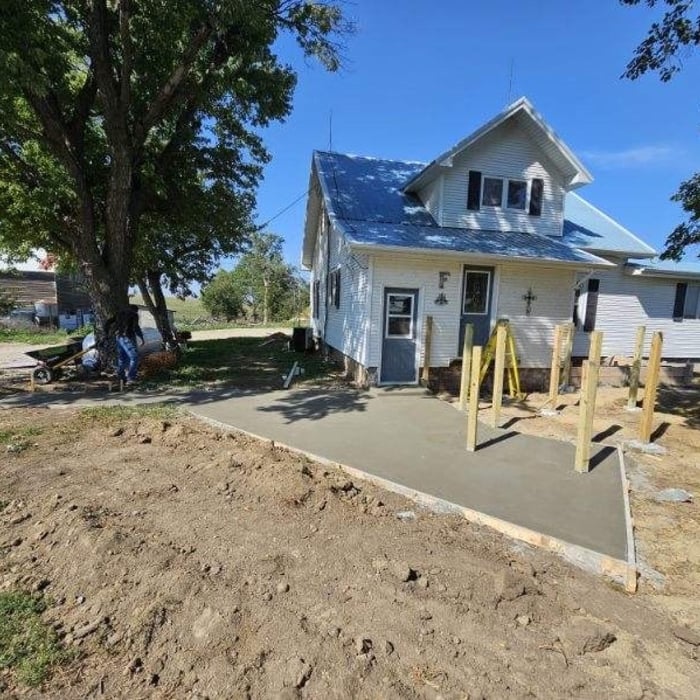
Gabino Construction, LLC is your trusted partner for all your concrete needs in Nebraska. Our team of experts are dedicated to delivering exceptional results that exceed your expectations. With our attention to detail and commitment to quality, we stand out from the competition. Contact us today to transform your home into the space of your dreams.

Concrete - Pouring & Repair Project
Driveway
Front patio
Driveway
patio

+28

Tree Service FAQs, answered by experts

Opt for a barefoot tree. Pros harvest barefoot trees when they’re dormant (leafless). They shake the dirt from the root ball and pack it in moist material. 

These trees can cost half as much as the trees at your local nursery, and you can buy them online—so there’s a much wider selection. Just make sure you keep your barefoot tree cool until you’re ready to plant it.

As a general rule, the protected area should be about 1½ times as wide as the canopy of the tree’s leaves. This digging measurement can vary by tree species and the age of the tree. Of course, that can be a lot of fencing for larger trees, which is why our first step is about making difficult decisions on which trees to save.

Some fast-acting products can rot a tree stump in four to six weeks. Keep in mind, these products contain harsh chemicals that may prevent regrowth in the area. Other products, like fertilizer that contains lots of nitrogen, can enhance the process and rot a stump in about a year. (This is compared to the ten years it can take naturally for a stump to rot.)

The best time to prune Japanese flowering cherry trees depends on where you live and the type of flowering cherry tree. Some trees benefit from being pruned toward the end of winter or early spring, after the last freeze. Meanwhile, other trees do well after blooming, in late spring or early summer. Avoid pruning your flowering cherry tree in the early winter, as this encourages open wounds that can lead to infections or infestations. 

Ivy eventually kills trees by restricting its growth, blocking sunlight, absorbing nutrients and water from the soil, and weakening the tree. Trees with ivy are more likely to experience diseases, pests, rot, and fungi growth. When ivy weighs down tree branches, the tree is more likely to break during a storm and cause damage.

The Humphrey, NE homeowners’ guide to tree services

From average costs to expert advice, get all the answers you need to get your job done.