




Top-rated arborists.

Get matched with top arborists in Norfolk, NE

Enter your zip and get matched with up to 5 pros

Need a pro for your arboricultural service project in Norfolk, NE?

Select your specific project to find the pro for you.

TRUSTED BY NORFOLK, NE HOMEOWNERS

  • Average homeowner rating star icon3.9
    Average homeowner rating
  • Verified reviews icon28
    Verified arboricultural services reviews

Find Arborists in Norfolk

Avatar for GCL Construction
GCL Construction
New to Angi

Serving Norfolk, NE and surrounding areas

In business since 2023

Free estimates

Credit card accepted

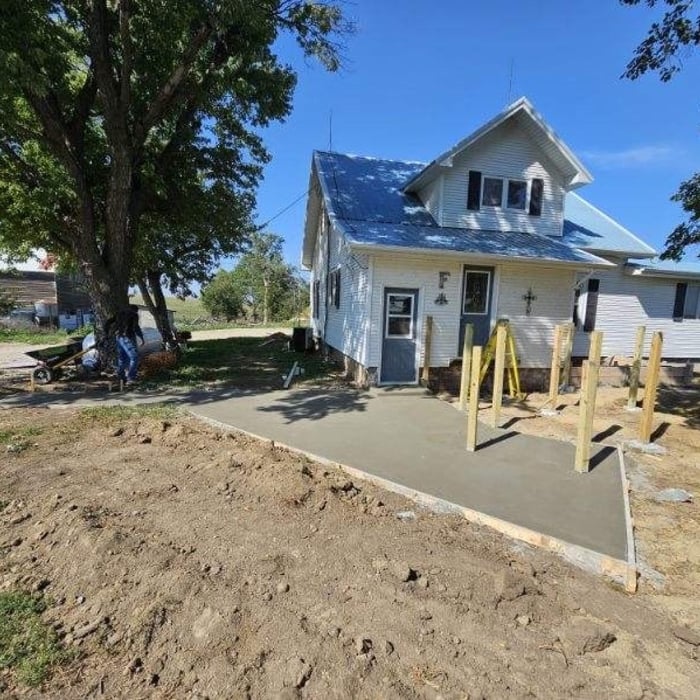
Gabino Construction, LLC is your trusted partner for all your concrete needs in Nebraska. Our team of experts are dedicated to delivering exceptional results that exceed your expectations. With our attention to detail and commitment to quality, we stand out from the competition. Contact us today to transform your home into the space of your dreams.

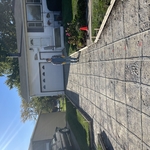
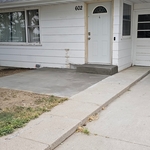
Concrete - Pouring & Repair Project
Driveway
Front patio
Driveway
patio

+28

Arborists questions, answered by experts

The best time to prune Japanese flowering cherry trees depends on where you live and the type of flowering cherry tree. Some trees benefit from being pruned toward the end of winter or early spring, after the last freeze. Meanwhile, other trees do well after blooming, in late spring or early summer. Avoid pruning your flowering cherry tree in the early winter, as this encourages open wounds that can lead to infections or infestations. 

A tree growing close to a house can pose several risks, but removal isn't always the only or best solution. Potential problems include roots growing into the foundation and causing structural cracks, branches damaging the roof or promoting moss growth, and debris clogging gutters, which can lead to water damage. Trees can also provide access for pests and encourage mold. However, a small, healthy tree may not be a problem, and for larger, established trees, strategic trimming can be a cheaper and more beneficial alternative to removal. It is generally recommended to take action for trees within 10 to 20 feet of your home, especially if they are unhealthy or encroaching. Your best bet is to consult a professional arborist who can assess the specific situation and provide expert advice.

It’s possible to transplant trees as tall as 50 feet when an experienced tree planting service uses the right equipment. However, a tree with a trunk larger than two or three inches in diameter needs to be handled by a professional in order to yield successful transplanting results. Consulting a tree planting professional is the best way to tell if your large tree can be safely transplanted.

When a palm tree no longer produces new fronds and old fronds start turning yellow-brown, that’s a sign the tree is dying. However, transplanted palm trees can show these signs for the first several months as they re-establish themselves. It’s best to keep watering and not give up on the palm tree until a couple of seasons have passed and you’re sure it’s not coming back to life.

Deciduous shade trees (the type of trees whose leaves fall off in autumn) need to be pruned in late winter—between February and March. That’s because it’s easier to find and remove sick or dead branches when no leaves are present. And wounds close and heal faster in colder temperatures so pruning them at this time also makes them less prone to infection.

The Norfolk, NE homeowners’ guide to arboricultural services

From average costs to expert advice, get all the answers you need to get your job done.