


A yard cleanup can keep your lawn clean and prepare it for the next season. Find out the average yard cleanup cost and what can affect it.
Leaf removal costs depend on your project and location. Check with a local pro for your specific job.

Professional leaf removal services range from $191 to $592 for your project, with costs between $0.02 and $0.10 per square foot.
Your property size and tree density determine your final leaf removal total, with larger wooded yards requiring more labor and disposal.
Account for disposal fees of $5 to $10 per bag and potential add-on services like gutter cleaning or garden bed preparation.
Hiring a local leaf removal professional provides reliable help with yard work and saves you time and physical effort throughout fall.
In 2026, the national average cost for leaf removal is $379, based on 35,524 verified projects reported by Angi Pros. Most homeowners pay between $191 and $592, with the spread driven primarily by property size, tree density, and disposal requirements. If you have a larger, heavily wooded yard, costs can climb higher, so it's worth getting a local quote to nail down your number.
Lawn size, removal method, and service frequency are the primary drivers of what you'll pay for leaf removal. Understanding each factor helps you anticipate where your total will land and where you have room to save.
Property size is one of the biggest cost drivers in leaf removal, with pros charging between $400 to $1,000 per acre for larger lots. For smaller yards or sections of a larger property, pricing shifts to a per-square-foot model ranging from $0.02 to $0.10 per square foot. Smaller yards tend to have fewer trees and less leaf accumulation, which keeps labor time—and your bill—lower.
Here is how leaf removal costs break down by acreage:
| Acreage | Cost in 2026 |
|---|---|
| ⅙ acre | $150–$200 |
| ⅕ acre | $175–$225 |
| ¼ acre | $175–$250 |
| ½ acre | $200–$500 |
| ¾ acre | $300–$750 |
| 1 acre | $400–$1,000 |
The removal method you choose—raking, blowing, or vacuuming—determines where your hourly rate falls within the overall range of $15 to $60 per hour. Raking is the most labor-intensive option at $25 to $50 per hour, including a $5 to $10 disposal fee per bag, while leaf blowing is faster and runs $15 to $45 per hour with the same per-bag disposal cost.
Factor in any minimum service charges when comparing quotes across methods. Here is how leaf removal costs vary by method:
| Leaf Removal Method | Average Cost Per Hour in 2026 |
|---|---|
| Raking | $25–$50 |
| Blowing | $15–$45 |
| Vacuuming | $40–$60 |
How often you schedule service has a significant impact on your annual leaf removal spend. A one-time fall cleanup runs between $200 to $850, averaging around $525, while recurring contracts can bring your per-visit cost down.
You can hire a professional to rake leaves on an annual contract basis, and committing to guaranteed work often earns you a discount from the company. Here is how leaf removal costs compare across service frequencies:
| Frequency of Service | Cost Range per Year in 2026 |
|---|---|
| One-Time Visit | $200–$850 |
| Annual Contract | $150–$500 |
| Quarterly Contract | $250–$750 |
| Monthly Contract | $300–$900 |
| Bi-weekly Contract | $1,000–$1,500 |
Tree density directly affects your leaf removal cost, with a lightly treed 1-acre property averaging $400 and a heavily wooded acre climbing closer to $1,000. Pricing scales with both property size and tree density together, so a large yard with dense coverage will consistently land at the higher end of any estimate.
Labor makes up 90% to 95% of your total leaf removal bill, running between $170 to $570 for most homeowners. The remaining cost covers materials such as equipment fuel and contractor bags for collection. If your pro hauls the leaves away, expect an additional $5 to $10 per bag for dumping fees.
Where you live plays a meaningful role in your leaf removal cost, driven by two factors: local cost of living and regional tree density. Labor costs—which make up the bulk of any leaf removal project—are higher in states with a higher cost of living, and rural areas with denser tree coverage also tend to see elevated pricing. Here is how average leaf removal costs compare across several states:
| State | Leaf Removal Costs in 2026 |
|---|---|
| California | $540 |
| Florida | $380 |
| Georgia | $340 |
| Illinois | $360 |
| Michigan | $350 |
| New York | $460 |
| North Carolina | $370 |
| Ohio | $360 |
| Pennsylvania | $360 |
| Texas | $350 |
You should remove leaves from your yard at least twice per fall season. Leaves will decompose by the spring, and they can add helpful nutrients to your soil. However, larger, heavier leaves or piles of accumulating leaves can actually do more harm than good by compressing your grass, holding in too much moisture, and eliminating access to sunlight.
If you have just a tree or two on your property, you can probably get away with two leaf removal services per fall. If you have many trees or the leaves are building up in heavy piles, you should rake leaves at least once per month throughout the fall.
Of course, you should also consider your property's aesthetics. If you want a clean-looking yard, aim for leaf removal once per week throughout the fall season.
Lawn care companies often bundle leaf removal with services like cleaning flower beds ($60 to $100) or gutter cleaning, which can boost your yard's health and curb appeal in a single visit. Adding services to your appointment increases your total, so it helps to know what each one typically costs before you book. Here’s what you might pay for additional jobs related to lead removal:
| Add-On | Cost in 2026 |
|---|---|
| Gutter cleaning | $1–$2 per linear foot |
| Garden bed cleanup | $60–$100 |
| Tree removal | $400–$1,200 |
| Lawn aeration | $75–$200 |
| Mulching | $50–$150 |
| Curbside leaf pick-up | Up to $100 |

Hiring a local leaf removal pro can save you time, energy, and a sore back while keeping your yard looking its best. Professionals come equipped with tools and honed skills that enable them to clear leaves quickly and thoroughly—without damaging your yard.
Though you may be tempted to pick those leaves up yourself, regular, reliable service can allow you to enjoy a clean, healthy yard all season long.
Removing leaves may seem like a simple DIY, but there are definite benefits to hiring an expert. Some of the more prominent benefits include:
Professionals have more specialized tools, such as commercial-grade blowers, vacuums, and mulchers, to thoroughly remove leaves while saving time.
Experts know how to leave your lawn leaf-free without harming grass, plants, or landscaping.
You can avoid any allergies, injuries, or strain that comes with labor-intensive yard work.
Many services recycle or compost leaves instead of sending them to the landfill.
You can schedule professionals to regularly remove leaves so your yard is maintained when you're extra busy.
Removing leaves helps prevent mold, pests, and lawn suffocation, promoting healthier spring growth.
If you want to DIY leaf removal, here are some steps to safely and efficiently clear your yard:
Rake and bag leaves when they're dry, since wet leaves are heavier and harder to remove.
If you have a mower, you can scatter leaves over your yard and mulch them down with a mower for eco-friendly removal.
You can also rake leaves onto a tarp, then drag the tarp to a compost pile or to your curb if your neighborhood has bulk pickup.
Leaf removal can get expensive, especially if you need routine removal services throughout the fall season or have a large property. There are a few things you can do to keep costs down.
Opt for leaf blowing. The leaf removal cost per hour you'll pay for services depends on the removal method. If you just want to protect your lawn and keep it clean, opting for leaf blowing is a good way to keep labor costs to a minimum.
Get service less often. Leaf removal services get more expensive the more often you need them. If you don't mind some accumulation throughout the fall season, choose monthly services over weekly. Choosing just a single fall cleanup to prepare for winter will reduce costs even further.
Sign an annual contract. Many leaf removal companies offer a small discount to customers who sign a contract for ongoing annual service.
DIY if you have the time. If you have a smaller property and some spare time, you can save an average of around $379 by doing the work yourself.
Be ready to discuss with a pro the size of your yard and what areas need leaf removal.
Consult your leaf removal pro about add-on services like mowing, fertilizing, weeding, and other landscaping tasks.
Be prepared to talk with a pro about ongoing leaf removal, such as monthly or quarterly services.
Home is the most important place on earth, which is why Angi has helped more than 150 million homeowners transform their houses into homes they adore. To help homeowners with their next project, Angi provides readers with the most accurate cost data and upholds strict editorial standards. We’ve surveyed over 30,000 real Angi customers about their project costs to develop the pricing data you see, so you can make the best decisions for you and your home. We pair this data with research from reputable sources, including the U.S. Bureau of Labor Statistics, academic journals, market studies, and interviews with industry experts—all to ensure our prices reflect real-world projects.
Want to help us improve our cost data? Send us a recent project quote to [email protected]. Quotes and personal information will not be shared publicly.
One of my old tall evergreen trees was suddenly leaning toward the busy street in front of my house. I submitted a request for an emergency tree inspection, and Alejandro, owner of Cajete Tree Service, contacted me immediately and arrived to look at it just 20 minutes later. We agreed the...
 Cajete Tree Service LLC
Terrible experience. Walls/trim/floors/cabinets/doors all have drip marks, overspray, etc. Tiling at the fireplace had to be redone by another vendor due to incorrect and shoddy install by Profect. Contractor had his children in our house while he was on site without prior authorization or...
 Profect painting & exteriors
Wonderful. I am going to have them remove and replace my driveway in the spring.
 All Star Paving and Sealing
Lyle did a great job removing asbestos shingles from our front porch roof. They worked together with our roofer to make sure that the new roof was able to be installed on the same day that Lyle removed the asbestos shingles.
 Lyle Environmental
Involved an extensive bathroom remodel, including removing tub & installing walk in shower, new drywall, custome tile work to ceiling, plumbing, etc. Overall, job was done on time and on budget. Nick & his team were very professional and had high attention to detail. Quality was great. Highly...
 Stamos Flooring and Remodeling LLC
Extremely well. Ohio Tree Care is my go to company for all tree care and snow removal services. they are professional, knowledgeable and affordable. I manage five camps in 33 counties and Ohio Tree Care has serviced every one of our properties. Highly recommend.
 Ohio Tree Care Inc
A team of 2 spent 5 hours, cleaning top to bottom (removed all light fixture and cleaned.... impressive!!!)
 Luzia's Cleaning
Great Job!!! Martin called me after I requested a estimate on Home Advisor. He was very professional and actually went the same day and looked at the tree I needed removed gave us a estimate and I felt it was very aggressive so I did not even call for any other bids. I asked him how soon he...
 Reyes Tree Service LLC - Home Facebook
Removed various items (furniture, lamps, other junk) from my home. They were on time, personable, professional, etc. I can't say enough positive things about this company. <br />
The task proved more difficult than anticipated. When they arrived the first day, they had no tools with them at all, and had to make a run to purchase appropriate tools. It was quickly determined that the paper had to be steamed off, and neither the workers, nor the company itself, had...
 ABS Interiors of Mid-Ohio LLC
From average costs to expert advice, get all the answers you need to get your job done.
A yard cleanup can keep your lawn clean and prepare it for the next season. Find out the average yard cleanup cost and what can affect it.

Discover what the current average tree removal cost is based on different factors to know how much it will cost to take care of a dead or troublesome tree on your property.
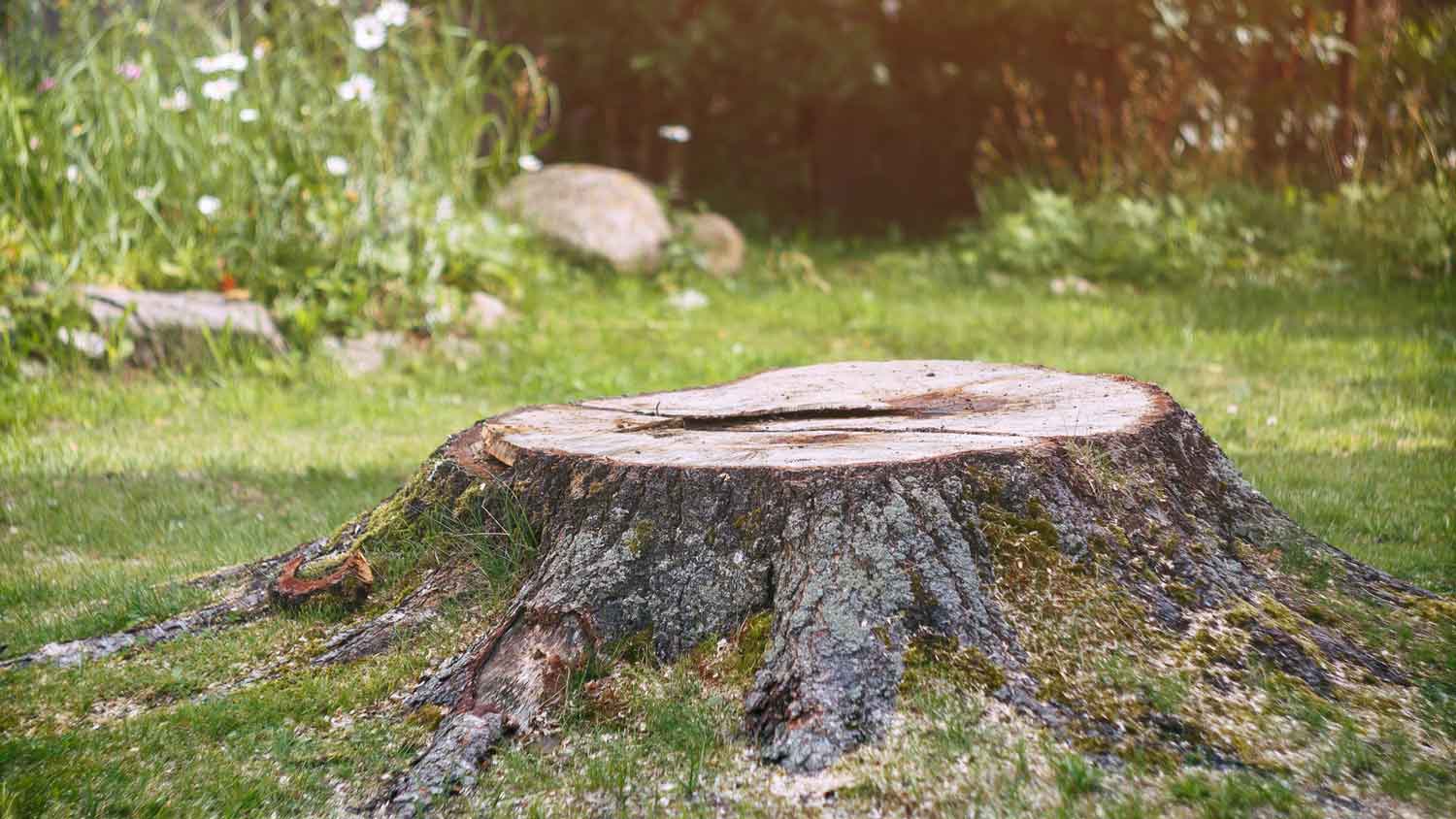
The cost of tree stump removal depends on size, removal method, location, and more. Our guide will show you how much stump removal costs.
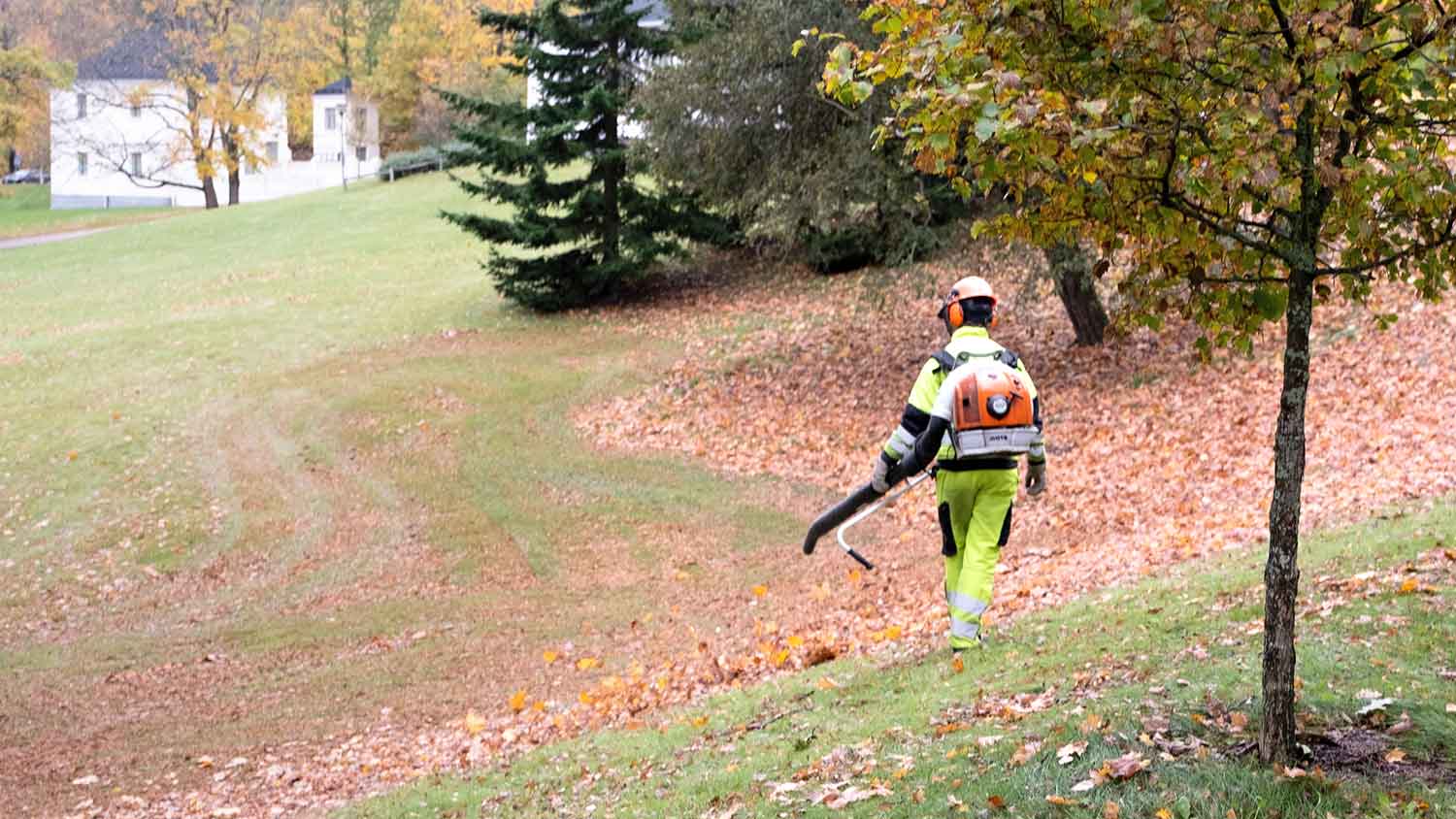
A leaf removal service can clear your yard of fallen leaves. Learn why to hire a leaf removal service, what to look for, and how the service works.

Hiring a leaf removal service can save you hours of raking and bagging. Learn what to look for when you hire a leaf removal service.
If autumn brings a blanket of leaves to your yard, you’ve got options. From mulching to free leaf removal days, here’s what to do with leaves in your yard.