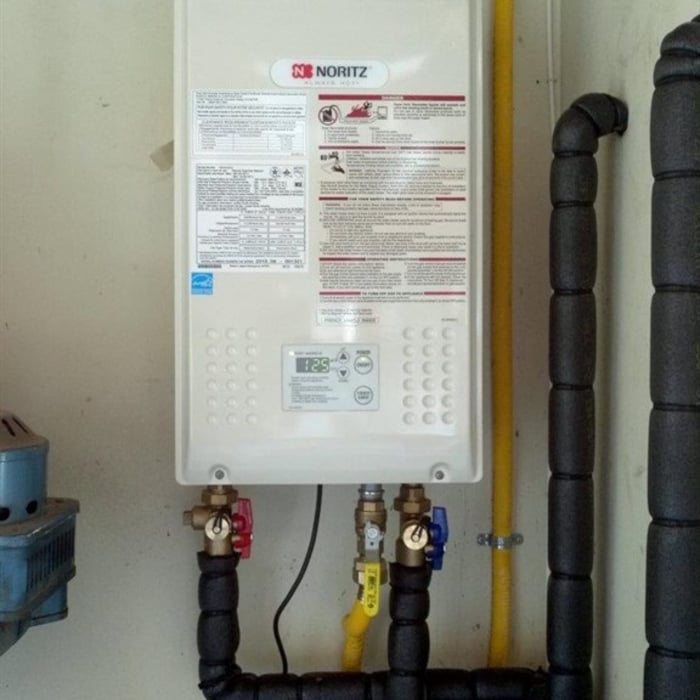
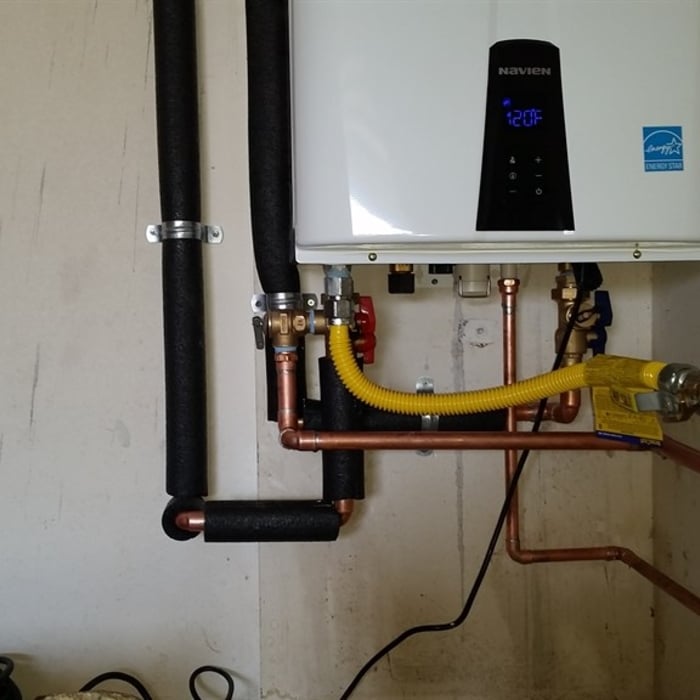
"We are very pleased with our new tankless water heater. The were very professional and explained all of our options and installed the new water heater promptly. I would recommend them and use them again for all my plumbing needs."
"Installation went smoothly. I've had the system for about 5 years and I recommend it highly. The water tastes great. We don't buy water anymore. Our pipes are protected from mineral buildup. Very pleased with our purchase."
"Excellent Service from planning through Execution and installation to final fine tuning. The folks communicated well and explained every detail of the step. Got permit and inspection done. It was seamless. Thanks. R."
"Visit went well. The plumber was very professional and clean. He was able to get my water heater going again and gave me valuable information on tankless water heaters that I will eventually have installed by this company. Professionals!"
"I called and setup an appointment for the afternoon. The dispatcher called back in an hour saying the plumber was free earlier and came immediately. He was there within an hour and gave me an estimate for the replacement and upgrade that I wanted. I agreed to the price and within 3 hours I had a new water heater. I can?t imagine where they could have done any better. "
"Frustrating. I called for the toilet tuneup at the end of September. Did not show up because of truck accident. The plumber did show up for his appointment and did a good job on my toilet. I decided to get a quotation on my shower leak in rear house. The plumber quoted $180.00. I needed to pay extra money for a shower valve. At the side of the house, there was a water leak in which he stopped. The plumber got sick and I had to deal with a subsitute plumber. He finally finished the job 10/26/17. Gave me a deduction for my frustration."
Yes. To get soft water, you can install a water softening system, which will replace the calcium and magnesium ions in the water with sodium or potassium ions. Water softeners cost anywhere from $200 to $6,000, depending on the size and complexity of the system. You can either install a water softener for the whole house or just at your shower heads. If you’re sensitive to sodium or potassium, you can install a salt-free water conditioner.
It’s not a good idea to oversize your water softener. Doing so will mean the tank doesn’t get full, which can lead to channeling. This leads to a large portion of the resin beads not being utilized and the beads at the bottom of the tank being overused. Over time, this will reduce the efficiency of your system, not to mention that the upfront cost of an oversized softener is unnecessarily high. If you have a timed regeneration cycle rather than a demand-based one, you’ll also spend far more on replacing salt than you need to.
Selecting the right system depends on testing your water to understand the contaminants present and considering your household's water usage and specific needs, such as removing specific contaminants.
While it depends on how complicated the unit and installation is, it takes two to four hours to install a water softener unit, on average. It might take longer if pipes need to be replaced. You should make sure the installation area is clear of any objects that might get in the way before you begin.
The primary difference between a water softener and a water filter lies in what they remove from the water. A water softener is designed to remove hard minerals like calcium and magnesium. In contrast, a water filter has a broader effect, removing various contaminants above a certain size, which can include bacteria and other impurities.
To decide which you need, consider your goal. If you want to eliminate hard minerals, choose a softener. If you want to remove a wide range of contaminants, a filter is the better option. Filters are also generally less expensive to install. Depending on your water supply, you may need to install both for comprehensive treatment.
The Lucerne Valley, CA homeowners’ guide to water softener services
From average costs to expert advice, get all the answers you need to get your job done.
Water softeners work to remove unwanted minerals from hard water through a filtration and recharge cycle. Keep reading to learn how a water softener works.
There are four common softener alternatives available on the market today. We compare and contrast each one to help you find your best-fit solution in this blog.
Water softeners rid your home of hard minerals and, well, soften your water. Even better, the regeneration process is an automatic cycle that works when you’re least likely to use it.
Water softeners remove hard minerals from your tap water, improving plumbing systems and water-using appliances. Here are the most efficient water softeners out there.