

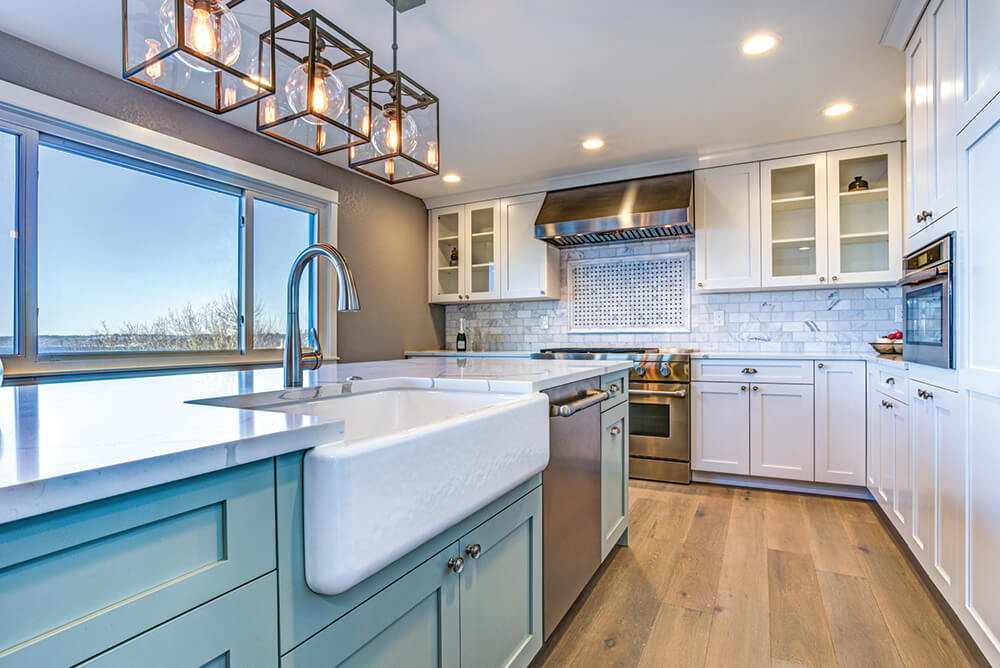
Sink installation costs depend on the type of sink, the material, and the labor. This guide can help you budget for your project—from pedestal to farmhouse.
Water softener service costs depend on your project and location. Check with a local pro for your specific job.

Professional under-sink water filter installation ranges from $100 to $3,000 depending on your chosen filter type and system complexity.
The filter type you select determines your total cost, with sediment filters costing less and reverse osmosis systems requiring higher investment.
Water testing costs between $10 and $400 to identify contaminants, and replacement filters cost $15 to $300 depending on your system type.
Hiring a local water softener repair professional ensures your filtration system is properly installed and protects your household from waterborne contaminants.
In 2026, the national average cost to install an under-sink water filter is $550. Most homeowners spend between $300 and $1,250, with total costs driven by filter type, system complexity, and installation labor. Under-sink water filters are more cost-effective than whole-house water filtration systems and can deliver similar water filtration results, though they serve only a single faucet location.


The type and size of the under-sink water filtration system you choose have the biggest impact on its price. Several other factors — including labor, location, and included supplies — also figure into the final calculation.
There are many types of water filters available, with the most common under-sink varieties being carbon, multi-stage, reverse osmosis (RO), and combination systems that use more than one filtration method in a single unit. Ion exchange units act as point-of-use water softeners and tend to cost less to install, while reverse osmosis systems cost more to purchase and install than other types. UV light systems often incorporate additional filtration stages before the UV purification step, which can significantly increase their installation cost. The following table breaks down average cost ranges by filter type:
| Filter Type | Average Cost Range in 2026 |
|---|---|
| Sediment | $100–$300 |
| Carbon | $200–$600 |
| Multi-stage | $200–$1,200 |
| Ion exchange | $100–$350 |
| Ceramic | $200–$700 |
| Reverse osmosis | $300–$2,000 |
| UV light | $500–$3,000 |
The amount of water your household needs per minute directly affects the cost of your under-sink water filtration system, with common residential GPM rates ranging from 0.5 to 2.5. Higher flow rates can be misleading — the faster the water moves through the filter, the less filtration it actually receives. Under-sink RO systems typically operate at lower flow rates but deliver higher filtration performance. The table below shows average minimum costs by flow rate:
| Flow Rate | Average Minimum Cost in 2026 |
|---|---|
| 0.5 | $400 |
| 1.0 | $300 |
| 1.5 | $200 |
| 2.0 | $150 |
| 2.5 | $50 |
Many under-sink water filters come with everything you need to connect to your home's plumbing and start using filtered water right away. Others are sold as filter housing only, which means you'll need to separately purchase the faucet and sometimes the filters themselves to complete the system. These additional purchases will add to your overall installation costs, so confirm what's included before buying a unit.
A plumber can install an under-sink water filter and help you determine which system best fits your household's consumption and water quality needs. Plumbers cost between $45 and $200 per hour for installations and other work, and this labor rate will have a direct impact on your total installation cost.
Understanding your home's current water quality is essential to choosing the right under-sink water filtration system. Water testing costs between $10 and $400, depending on whether you use a DIY kit or send samples to a lab for deeper analysis. Lab testing costs more but provides a more complete picture of the contaminants in your water, helping you select the most effective filter type.
Where you live can meaningfully impact the total installation cost for your under-sink water filter system. Labor costs are higher in areas with a higher cost of living and lower in other regions. Some municipalities also require a plumbing permit when installing a plumbing fixture like an under-sink filter, which will add a minor fee to your project total.
Installing an under-sink water filter comes with ongoing costs beyond the initial installation. Budgeting for regular maintenance and, in some cases, electricity will help you avoid surprises over the life of your system.
Virtually all under-sink water filter systems require regular filter changes and upkeep to function properly, making maintenance an unavoidable ongoing expense. Replacement filters cost between $15 and $300 each, depending on the filter type and system. How often you replace them depends on usage and filter type, with intervals ranging from every six months to every five years.
Not all under-sink water filter systems require electricity to operate. Many RO systems and all UV light systems do draw at least a small amount of power, which may result in a modest increase in your monthly electric bill. The cost is generally minimal, but it's worth factoring in when comparing system types.
Hiring a pro to install your under-sink water filtration system is almost always worth it, even though this is a job some homeowners attempt themselves. These experts charge between $45 and $200 per hour, and hiring a local water softener professional ensures your system is properly installed and functioning correctly. The peace of mind that comes with a professional installation — including proper connections and code compliance — makes the investment well worth it.
Working with a professional to install an under-sink water filter has many benefits, including:
Ensuring code compliance
Peace of mind from water leaks and other plumbing issues
Help running electricity to the filter, if necessary
Ensuring the filter is working correctly and protecting you from waterborne contaminants
Complete the installation in a fraction of the time it would take to do by yourself
While a pro is already on-site for your under-sink water filter installation, it's a smart time to bundle other related home projects. Here are some common add-on services to consider:
Water softener installation cost: $200–$6,000
Plumbing inspection cost: $100–$500
Plumbing repair cost: $175–$450
It's true that you can save money, at least in the short term, by installing your own under-sink water filter system. However, that's not the best option for every homeowner. Despite their smaller size compared to whole-house systems, they're still complex appliances that require precise installations, and working with plumbing and sometimes electrical isn't for everybody.
The best way to manage costs when installing an under-sink water filter system is to test your home's water quality and what's in it, and work with a professional to find the most cost-effective way to treat the specific impurities that exist in your water.
Ask your pro to do a water test to determine the best type of filter for your area
Get your expert’s opinion on the filter capacity your household needs
See if your installation pro offers ongoing maintenance for your filter
Consider bundling this job with other tasks, such as a plumbing inspection or water softener installation
Home is the most important place on earth, which is why Angi has helped more than 150 million homeowners transform their houses into homes they adore. To help homeowners with their next project, Angi provides readers with the most accurate cost data and upholds strict editorial standards. We extensively research project costs to develop the pricing data you see, so you can make the best decisions for you and your home. We rely on reputable sources, including the U.S. Bureau of Labor Statistics, academic journals, market studies, and interviews with industry experts—all to ensure our prices reflect real-world projects.
Want to help us improve our cost data? Send us a recent project quote to [email protected]. Quotes and personal information will not be shared publicly.
If you’re good people wanting to do business with good people, hire Matt. He is a consummate professional and utterly competent. He installed a water heater in my home at a price that beat competitors by hundreds of dollars with a promise to support the unit for its life (even after its 6 yr...
 Greene's Plumbing Services
As usual with ECO, tech Jordan was outstanding, very professional, very knowledgeable, and very thorough with repairs made to tankless water heaters. Very highly recommend ECO!!!
 Eco Plumbers, Electricians, and HVAC Technicians
Did a great job replacing the ice maker and water regulator on my refrigerator. He was quick and thorough, very friendly and professional. If I needed a heart transplant I'd want him to do it!!!
We had a gutter blockage that was causing water to sheet down the side of the house and ultimately it started to come in at a window (need mortar people next). Called around 7:30am, and he responded by 8am. He was able to come out the same morning and do a look over and clean out. He also...
Scott checked our large crawl space for mold and water infiltration and recommended a viable solution. The crew was efficient and they cleaned up well after the job. The job was expensive but I am confident that I won't have to deal with the problem again. Highly recommend.
 AdvantaClean of Dublin
They were the most through inspecting the water system in my house. Even going the extra mile to get the water professionally tested for contamination.
 Hague Water Conditioning, Inc.
It went very well. The drain is absorbing all the access water. I had other estimates a year earlier and Hughes was right on. I will use them, again.
 Hughes Construction Co
Very well. Have already used them again to fix hot water heater
 Service Olympians
The Paul Davis team was very professional and went the extra mile to take care of my water damage. The work was very high quality and done in a timely manner. I would highly recommend their services.
 Paul Davis Restoration
Honesty is hard to find in business today. GBR met me today at a 3 story building regarding my being told that I needed to tuckpoint the brick because of water leaks. The owners took the time to evaluate the situation and advised me that I did not need their service at all. They pointed me...
 GBR Masonry Inc
From average costs to expert advice, get all the answers you need to get your job done.
Sink installation costs depend on the type of sink, the material, and the labor. This guide can help you budget for your project—from pedestal to farmhouse.
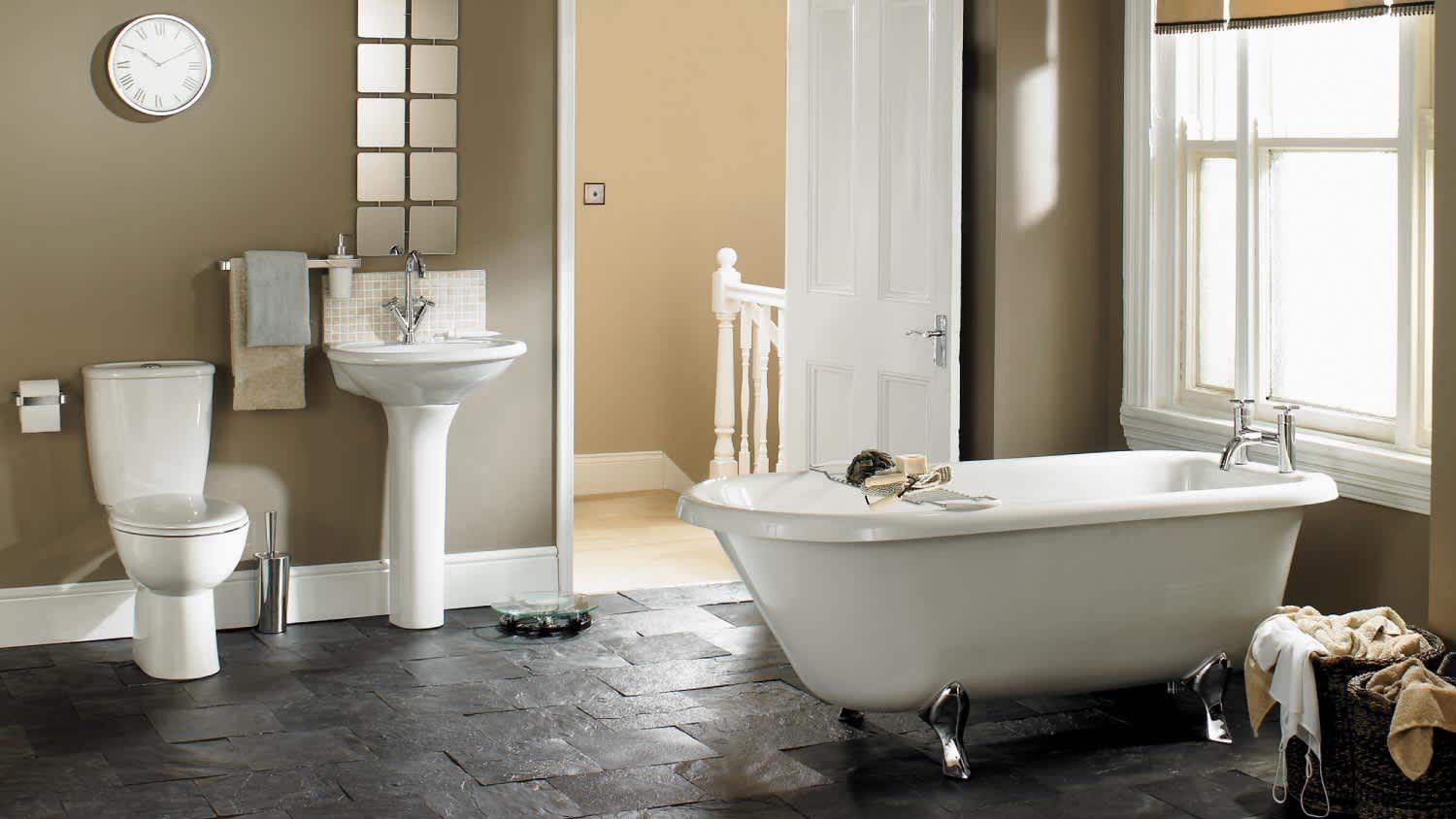
Pedestal sinks are small bathroom wonders, but how much does a pedestal sink installation cost? Learn the cost factors for adding one to your bathroom.
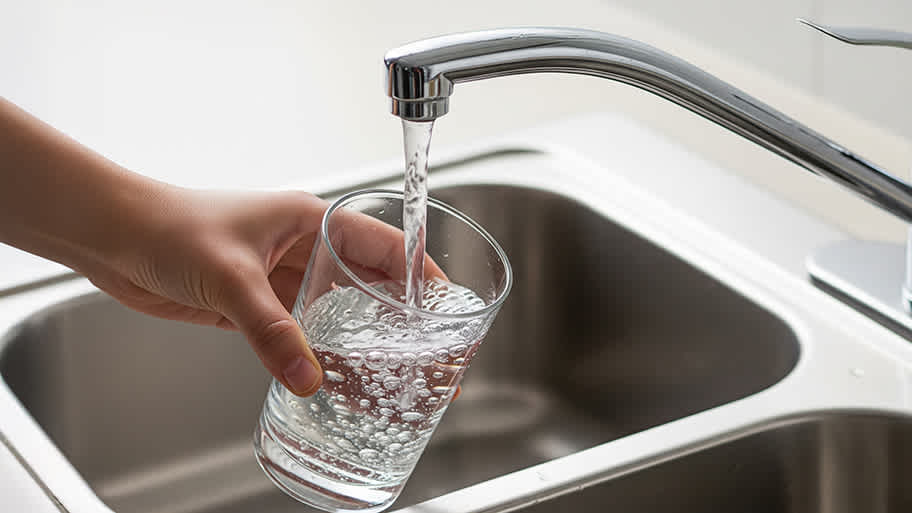
On average, a reverse osmosis water filter costs around $2,200, but there are a few variables that impact the total price. Learn about them in this guide.

Making sure you have clean drinking water comes down to proper filtration. Use this guide on how to filter water at home to keep your family safe.
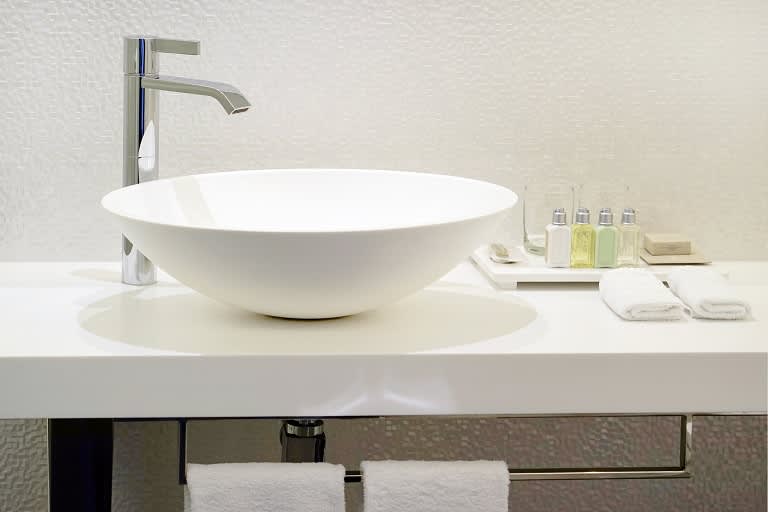
Learn how to hire a qualified sink installation pro. Discover questions to ask, qualifications to check, and tips to find the best pro for your project.
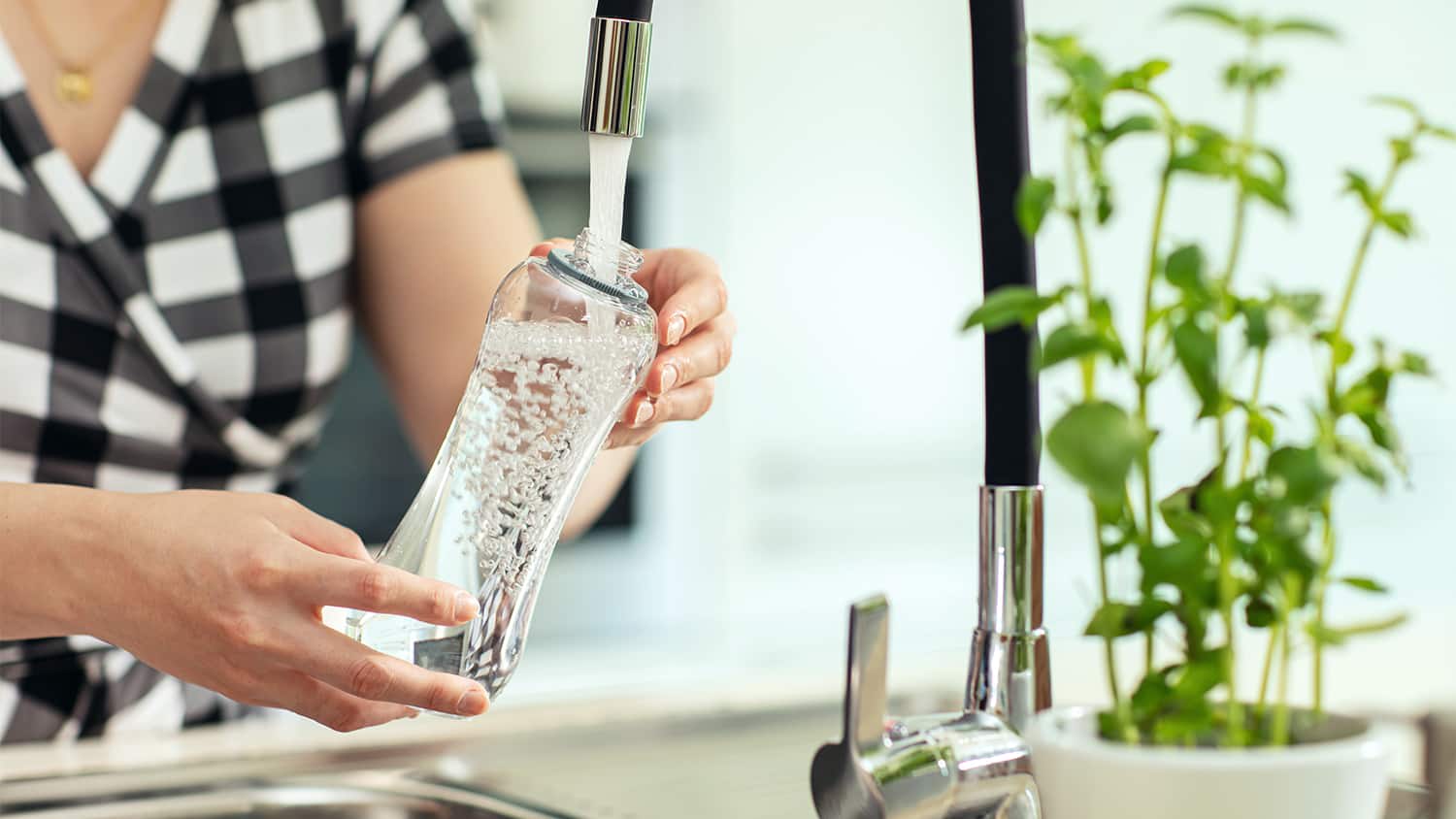
Looking for the best person to install a water filtration system? Our guide details what you need to know.