
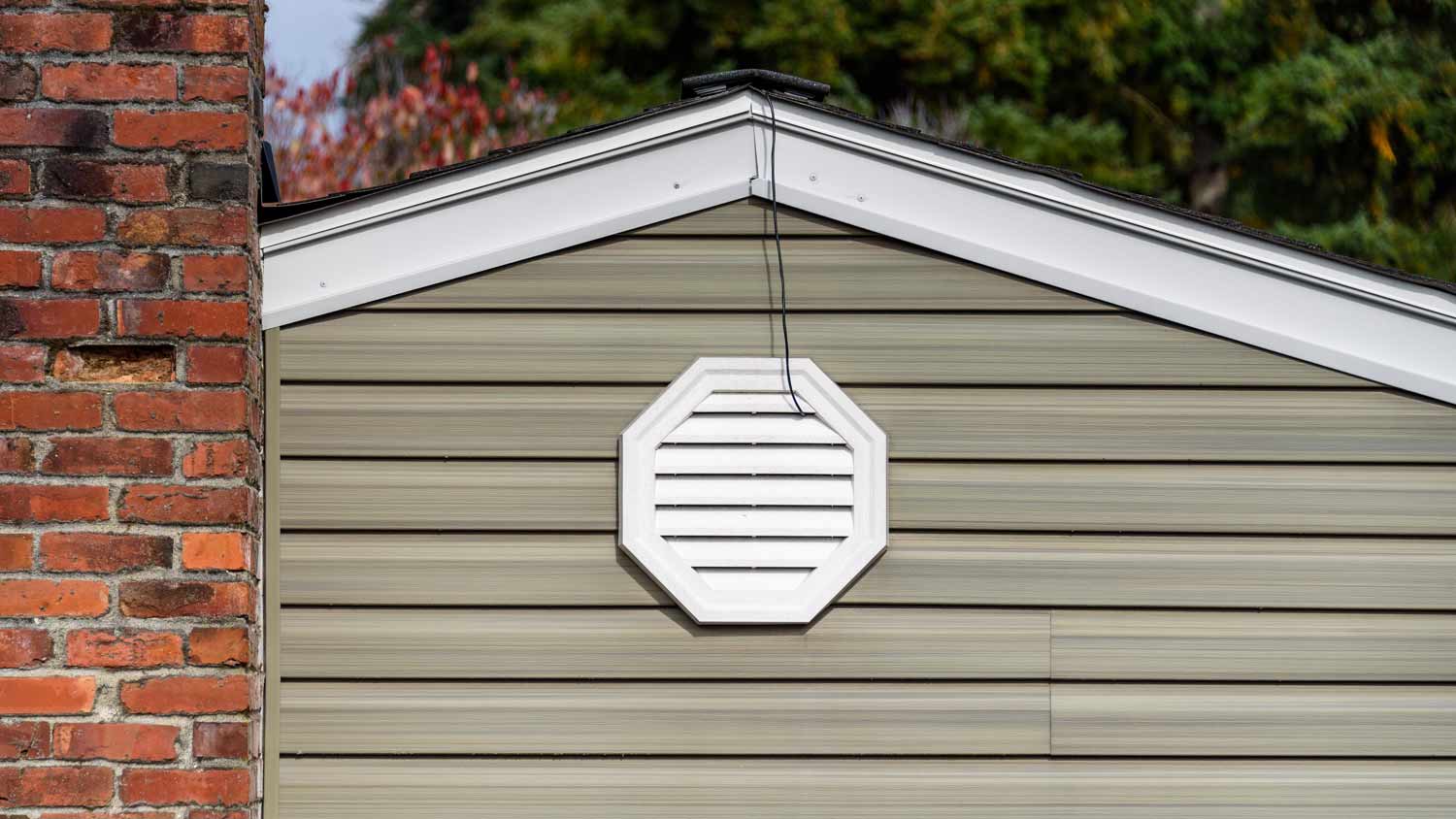
Your home's whole house air purifier repair cost will depend on several factors, including the system size and type and the nature of the repair work.
Make a clean decision

A water purifier removes contaminants and minerals from your water, but you don't need one at home since municipal water is already purified.
Water filters for your home cost $20 to $4,000 depending on the system, with whole-house options ranging from $1,000 to $4,000.
You can choose point-of-use filters for drinking water only or whole-house systems that filter water throughout your entire home for cooking and bathing.
Hiring a local water softener installation professional helps you select the right filtration system and handles whole-house installation with proper plumbing connections.
From rinsing your fruits and vegetables to filling your water bottle, clean water in your home means health and peace of mind. A water purifier, specifically a water filter, can help remove contaminants and improve the water's taste and smell. Learn about what a water purifier is, how it’s different from a water filter, and the pros, cons, and costs.
A water purifier removes impurities, minerals, chemicals, suspended solids, gases, and biological contaminants. It also helps reduce particulate matter such as parasites, bacteria, viruses, algae, and fungi. Water purifiers use one or more methods to decontaminate water, including reverse osmosis (RO), distillation, and UV treatment.
However, water purifiers are used at the municipality level to meet national clean water standards, so the water coming into your home is already purified. Because of this, you need a water filter for your home, not a water purifier.

Water purifiers and water filters are often used interchangeably, but they are two distinct systems with different outcomes. Water purifiers are mostly used at the city or county level to meet national water standards and are not needed for home use. Water purifiers also remove necessary minerals, whereas water filters remove harmful contaminants but keep the minerals that are good for you, such as calcium, magnesium, fluoride, and zinc.
A water filter serves as a physical barrier to trap debris and bacteria. The water flows through a barrier or membrane to make the water safe for drinking and cooking. A filter removes contaminants like mercury, lead, arsenic, rust, iron, and chlorine. A water filter often improves drinking water's taste and smell and lowers the pH level.
There are many types of water filters, from mechanical to ceramic filters. On top of the filter type, homeowners can choose either a whole-house system, also called a point-of-entry (POE) filter, or opt for a point-of-use (POU) system, such as a faucet-mounted filter or a water pitcher.
Many homeowners have a water filter system, whether on a large or small scale. Here are the main pros and cons of a water filter.
| Pros | Cons |
|---|---|
| Better-tasting water | Whole-house models are expensive |
| Cleaner water for cooking, drinking, and brushing teeth | May not be necessary for all water in the home |
| Removes contaminants like chlorine, lead, and bacteria | Can cause a drop in water pressure |
| Extends the life span of plumbing and appliances | Requires regular filter changes and maintenance |
| Provides an improvement in hair and skin |

Water purifiers and filters use reverse osmosis (RO), distillation, UV treatment, or specific types of filters, such as carbon and sediment filters. Some purifiers use more than one method.
Carbon filters remove chlorine, reducing the chance of poor-tasting water. Whole-house systems with carbon filters are the most cost-friendly whole-house options and require the least maintenance. Media filters capture debris and other solid matter with a woven filter to improve water quality.
A reverse osmosis water purifier works like a filter, forcing the water particles through a small semi-permeable membrane to screen out contaminants. It removes minerals, including healthy ones, so if you go this route, you’ll want to pair it with a remineralizer.
A purifier using distillation boils the water and captures the clean steam, which then gets collected and purified. The contaminant particles are left behind. Some distillation systems need additional filtration.
There are many different types of water filtration technologies. When one technology is not enough, ask a local water filtration pro how you can combine technologies to reach your water treatment goals.
UV treatment uses ultraviolet light to kill living microorganisms such as viruses, parasites, and bacteria but doesn’t capture sediment. UV filters are only suitable for treating drinking water and are too slow to be whole-house filters.
The cost of whole-house water filtration systems ranges from $1,000 to $4,000, depending on how advanced the system is. Point-of-use units cost anywhere from $20 to $1,200, depending on the system. For example, a water filter pitcher can cost anywhere from $20 to $100.
According to data from Angi customers, roughly 36% of homeowners have reported an unusual taste or odor in their home’s drinking water. Some people describe it as a rotten egg or chemical smell, while others say the water tastes metallic or salty. In most cases, hiring a professional can help identify the source of the issue and recommend the best fix.
Whole-house water filtration systems last 15 to 25 years, depending on the type of system and how well it is maintained. Depending on your filter and sediment level, you’ll need to change the filter once every one to two years. For point-of-use filters, you may need to change the filter once every three to six months.
You’ll need to determine what contaminants you want to filter out, such as chlorine or lead. Remember, not every home needs a water filter. Look up the quality of water in your area on the Environmental Working Group database or contact your local water utility for more info. You can also test your water with a home kit or work with a professional lab to determine your water quality.
Once you know the contaminants in your water, you can select a type of water filter. You may opt for a whole-home system or a point-of-use filter just for drinking water.
You can install a faucet-mounted filter or under-the-sink unit by following the manufacturer’s instructions. But it’s best to hire a pro for a whole-house filtration system since it involves draining your water system, cutting pipes, and soldering. Contact a local water softener installation company to determine the best plan for your home water purification.
If you’re good people wanting to do business with good people, hire Matt. He is a consummate professional and utterly competent. He installed a water heater in my home at a price that beat competitors by hundreds of dollars with a promise to support the unit for its life (even after its 6 yr...
 Greene's Plumbing Services
As usual with ECO, tech Jordan was outstanding, very professional, very knowledgeable, and very thorough with repairs made to tankless water heaters. Very highly recommend ECO!!!
 Eco Plumbers, Electricians, and HVAC Technicians
Did a great job replacing the ice maker and water regulator on my refrigerator. He was quick and thorough, very friendly and professional. If I needed a heart transplant I'd want him to do it!!!
We had a gutter blockage that was causing water to sheet down the side of the house and ultimately it started to come in at a window (need mortar people next). Called around 7:30am, and he responded by 8am. He was able to come out the same morning and do a look over and clean out. He also...
Scott checked our large crawl space for mold and water infiltration and recommended a viable solution. The crew was efficient and they cleaned up well after the job. The job was expensive but I am confident that I won't have to deal with the problem again. Highly recommend.
 AdvantaClean of Dublin
They were the most through inspecting the water system in my house. Even going the extra mile to get the water professionally tested for contamination.
 Hague Water Conditioning, Inc.
It went very well. The drain is absorbing all the access water. I had other estimates a year earlier and Hughes was right on. I will use them, again.
 Hughes Construction Co
Very well. Have already used them again to fix hot water heater
 Service Olympians
The Paul Davis team was very professional and went the extra mile to take care of my water damage. The work was very high quality and done in a timely manner. I would highly recommend their services.
 Paul Davis Restoration
Honesty is hard to find in business today. GBR met me today at a 3 story building regarding my being told that I needed to tuckpoint the brick because of water leaks. The owners took the time to evaluate the situation and advised me that I did not need their service at all. They pointed me...
 GBR Masonry Inc
From average costs to expert advice, get all the answers you need to get your job done.
Your home's whole house air purifier repair cost will depend on several factors, including the system size and type and the nature of the repair work.
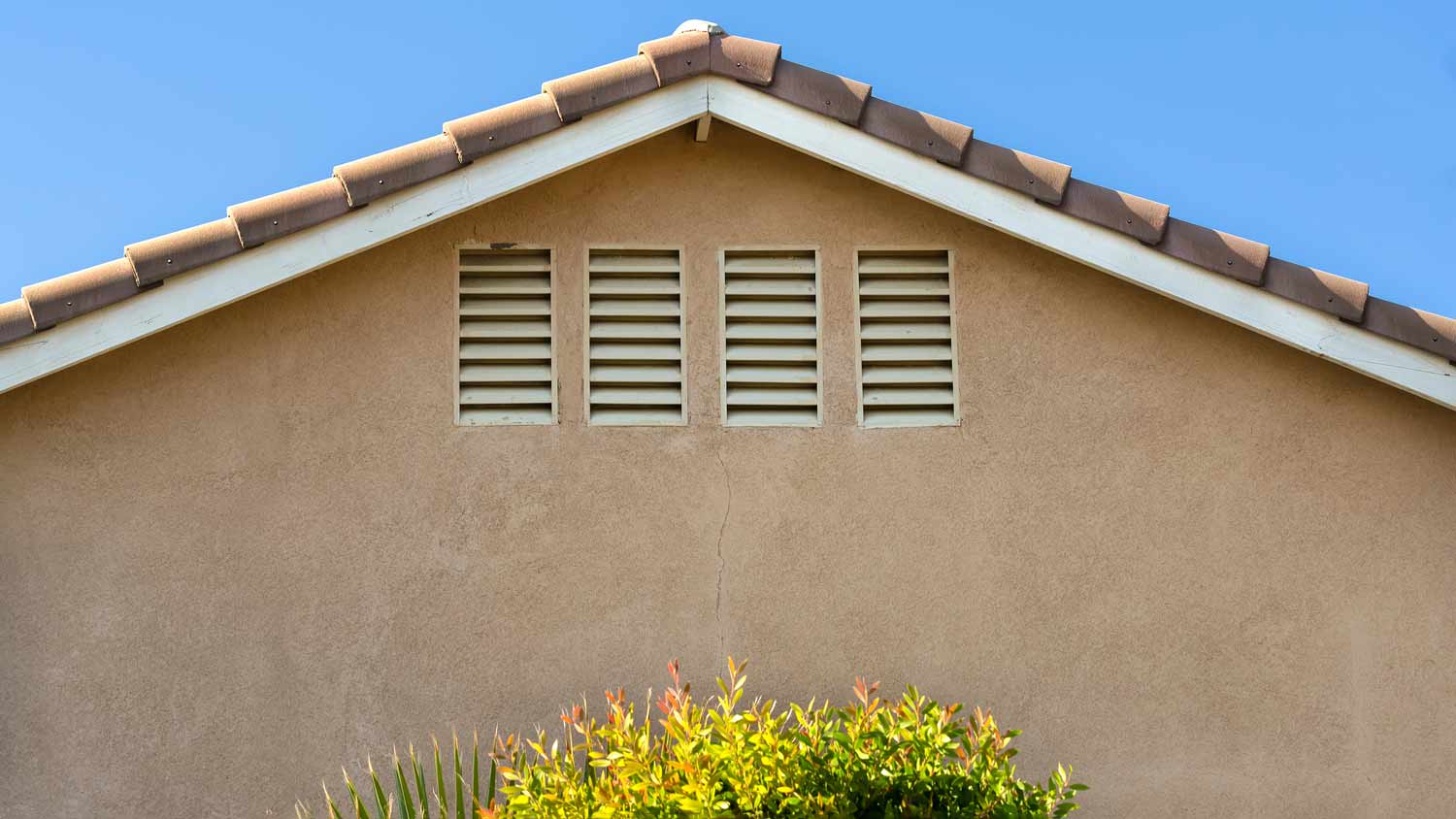
Whole-house air purifier costs depend on a variety of factors, including your home’s size and layout. The type of purifier you choose matters, too.
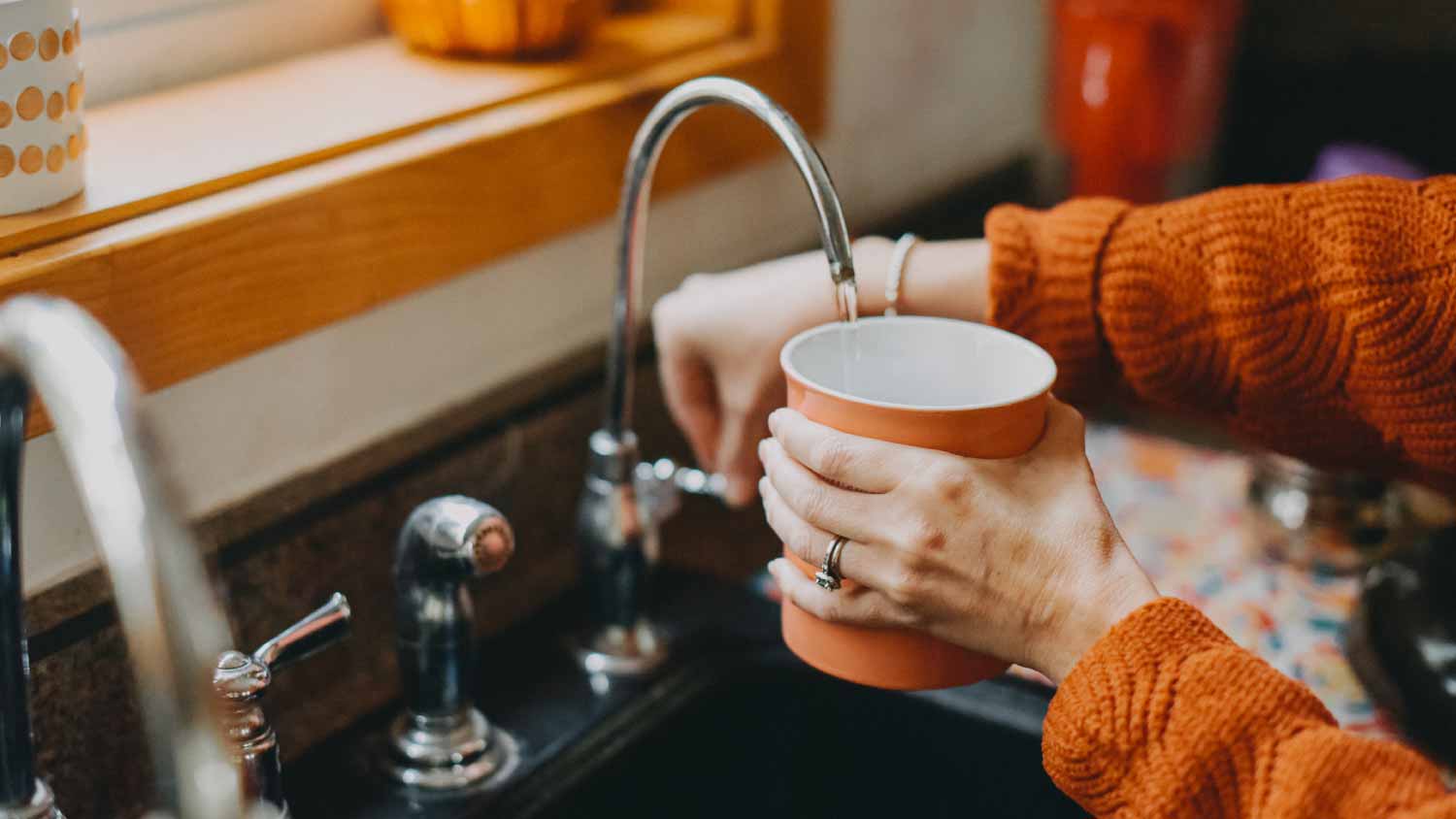
Discover the key differences between a water filter versus water purifier. Find out which option is best for your household's water needs.

Learn more about water filtration and which type of system is best for your home.
Humidifiers and purifiers are easy to confuse—in most cases, both are portable machines used to improve a home’s air quality.

Though distilled water is a type of purified water, there are a few differences. Stay tuned to learn more about these water types.