

Everyone can relate to having toilet issues—we’ve all been there. There are several reasons why your toilet might need repairs, and the cost varies based on the damage.
Plumbing costs depend on your project and location. Check with a local pro for your specific job.

Professional toilet installation costs between $224 and $533, with most homeowners paying around $374 for your new fixture.
The toilet design you choose and the flush mechanism significantly impact your final installation costs for the bathroom project.
Budget for toilet removal at $50 to $200 and potential flooring repairs at $8 to $24 per square foot if leaks damaged your floor.
Hiring a local plumbing professional prevents costly mistakes like floor damage and leaks and ensures your new toilet works properly.
How much does it cost to get a new toilet installed these days? With average costs for toilet installation ranging from $224 to $533, most people around the country are paying $374 for toilet installation costs. While they are paying $120 on the lower end, installation costs can go as high as $826 in some cases. Here's a breakdown of what goes into these costs.
Toilet installation costs depend on several factors, including the cost of the toilet itself, the cost of installation, and any extra labor. The overall cost depends on the brand and type of toilet, installation location, and whether you want any extra features.
If you’re looking to transform your bathroom into the spa-quality room of your dreams, though, the expense is well worth the money. Replacing your toilet can go a long way toward making your bathroom fit your desired aesthetic.
The cost of a new toilet can range from $100 to $3,000 or more, depending on factors like the brand and type. Many options are available to fit your home’s—and, more specifically, your bathroom’s—aesthetic.
Here’s a breakdown of average costs for different types of toilets:
| Toilet Design | Average Cost |
|---|---|
| One-Piece | $800 |
| Two-Piece (most common) | $375 |
| High Level | $700 |
| In-Wall Tank/Wall Mounted | $700 |
More advanced flush types will require more advanced plumbing to accommodate. A gravity flush system is the most common, which uses the weight of the water in the tank to create flushing pressure.
Here’s a breakdown of estimated costs for different flush mechanisms:
| Flush Mechanism | Average Cost |
|---|---|
| Gravity Flush | $375 |
| Dual-Flush | $500 |
| Double Cyclone | $400 |
| Upflush/Macerator | $1,000 |
| Pressure-Assisted | $600 |
Once you’ve purchased a toilet, the cost to install it will be about $373. This process starts with disconnecting the water and draining and removing the old toilet. The plumber then sets the new toilet, reconnects the water, and tests it to ensure everything works properly.
Prices can be higher if you’re installing a toilet for the first time in a new bathroom. Your cost will depend on the type of copper pipe or PEX pipe your plumber uses to rough in the plumbing, the length of the supply lines and drain lines, and more.
If you’re redesigning your bathroom floor plan or moving a toilet, your plumber may need to move the drain lines, vent lines, and water pipes. The drainpipe connects the toilet to the sewer line or the septic tank. On average, repairing a drain line costs $670, while adding a new drainpipe costs between $0.75 and $30 per linear foot, not including labor. In general, moving a toilet to a new location costs approximately $3,000.
After your toilet installation, what do you do with the old one currently sitting in your garage? If you want your old toilet gone after the new one is ready, you’ll need to pay to remove it. Toilet removal costs range from $50 to $200.
You’ll want to set a little extra money aside for any not-so-happy surprises, such as unexpected leaks, poor caulking, or a cracked flange (the part of the toilet that connects to the drainpipe and secures the toilet to the floor). In these cases, you’ll need to pay your plumber or contractor for additional labor to fix the problem. One of the most common unexpected repairs is the cost to replace toilet flanges, which is $145 to $300 on average. Additional labor can increase overall toilet installation costs by as much as $800.
Here are the average costs of some unexpected plumbing repairs:
| Repair | Average Cost |
|---|---|
| Backflow Preventer | $20–$150 |
| Valve Replacements | $50–$150 |
| Wax Ring Replacement | $50–$200 |
| Pipe Replacement | $70–$700 |
| Toilet Handle Repair | $50–$80 |
Plumbing repairs can be complex. Often there is damage or breakage in areas that can't be seen without being examined thoroughly. Plumbers will investigate the issue and then let you know what to expect.
As with any plumbing fixture, the brand you choose will significantly affect the cost of your toilet replacement. For similar flush systems and toilet designs, you could pay $400 for one brand and over $1,200 for a more premium brand.
Bidets are becoming increasingly popular as a way to improve hygiene and lower your environmental impact. You can either opt for a toilet brand with a built-in bidet system, a separate bidet to position next to your toilet, or attach a temporary bidet to your toilet. The first two options will be more expensive as they require to be hooked up to your plumbing but also come with better features like the option to use warm water. Simple bidets start around $300 but can run for $5,000 or more.
If you’re just replacing an old or malfunctioning toilet, you likely won’t have any additional plumbing work to consider unless your plumber uncovers issues with your toilet flange or waste line. However, many homeowners replace their toilets as a part of a total bathroom remodel, which means you might have quite a few other costs to consider.
The table below includes some average prices for common plumbing work you might have done in addition to toilet replacement as a part of a bathroom remodel:
| Plumbing Work | Average Cost |
|---|---|
| Installing a shower | $6,800 |
| Installing a sink | $500 |
| Replacing a bathtub | $6,000 |
| Shower head replacement | $150 |
| Upgrading sink faucet | $250 |
| Upgrading to a tankless water heater | $2,500 |
Some flooring types complicate the toilet installation process, which increases labor costs. This is especially true if the flooring or subflooring is damaged from leaks or general wear and tear. Any damaged flooring in the immediate vicinity requires replacement or repair before placing the new fixture. The cost to replace flooring in a bathroom is about $8 to $24 per square foot, and subfloor repairs might be even more expensive.
This damage to flooring materials can surprise homeowners, as the tiles in question are typically located directly underneath the previous toilet. In other words, you won’t know you need additional flooring maintenance until you remove the old toilet.
If you have a wall-mount toilet or are looking to switch to one, the drywall behind and surrounding it might need to be removed and replaced. You can also expect drywall repairs if your old toilet was leaking and damaged its integrity. Drywall repair costs between $50 and $100 per square foot. After the drywall is repaired, you’d also want to paint the new patch to match the existing color of the room, which is an additional expense.
If you hire a general contractor instead of a plumber, you might face an upcharge. General contractors often oversee the work being performed by someone else, and there could be a markup of 13% to 22% of the overall installation cost.
Having a working toilet is not just a luxury—it’s perhaps one of the most important functions of any household appliance. After all, no one wants to run to the local gas station or store to use the toilet, especially if you have a big family. Fortunately, you don't have to be an expert on how plumbing works to know that something is wrong with your toilet. Noticing the signs of your toilet needing to be replaced ahead of time will help avoid any major inconveniences.
A small leak might not indicate the need for a new toilet, but if you are facing persistent toilet leaks with no end in sight, it might be time to replace it. Before making this investment, it’s best to inspect exactly where the leak is coming from to see if it could be solved with a temporary fix, like a wax seal replacement.
Not all wobbling toilets need to be replaced. Wobbling could mean the wax seal between the toilet and the floor is starting to break down, or a bolt could be loose. If you check these and you’re still noticing wobbling coming from your toilet, it could be that the toilet was leaking water, causing the floor to rot and warp and leading to instability. Toilet replacement might be the only answer.
Cracks in your toilet can lead to leaks. As we learned above, leaks are bad news for many reasons, including floor damage. If you suspect a leak but are unsure where it is, try adding food coloring to the water in your tank and bowl. When the water leaks out and dries, you should have a dried color spot where the water was and can use that as a map to find the leak.
A toilet that constantly runs usually means there is damage to the interior of the toilet. This wastes water and is a sign that more damage could be happening that you don’t necessarily see.
A random clog every now and again might be normal, but if you’re having frequent clogging problems, it could signal that your toilet isn’t flushing correctly. If you check out the tank and all looks well, you should call in a toilet repair pro to take a look, and you might need to consider a total replacement.
Some toilets can last up to 50 years with regular use, while others will only last about 25. If your toilet is often working well but is sometimes finicky, it might be time to consider a new one. It might seem wasteful to replace what isn’t yet broken, but you could end up avoiding more costly repairs down the road.
Even if your older toilet works perfectly well, you might want to consider a toilet upgrade to save on water costs and increase your home’s efficiency. Newer toilets use significantly less water than older ones, and you don’t want to miss out on those savings.
Hiring a plumber near you to install the toilet can cost between $300 to $800, depending on the scope of the job. A professional installation will save you from costly DIY mistakes that may cause floor damage, leaks, and other issues.
Installing a toilet can be complex, so here are reasons you should bring in a pro for this task:
Professionals have the experience and tools needed to ensure the installation is done correctly.
Pros can handle any unexpected issues that may arise during the installation, such as old plumbing and uneven floors.
Toilets are heavy and bulky, making them difficult to install.
A pro can complete the job quicker than going the DIY approach.
Many professional plumbers offer warranties on their work, which can save you from unexpected issues in the future.
If you have some plumbing experience, you can try doing a simple toilet replacement installation. Here are the steps you will need to take:
Gather materials and supplies required for the task, including a wax ring, toilet bolts, adjustable pliers, screwdriver, wrench, level, and the new toilet.
Turn off the water supply before beginning the project.
Disconnect the water supply line, remove the nuts and bolts at the base, and safely remove the toilet.
Clean and prepare the area for installing the new toilet.
Set and secure the new toilet, connect the water line, and test for leaks before use.
When hiring someone to install a new toilet at your home, you want to make sure you're working with a qualified professional. While installing a new fixture can seem simple on the surface, this project actually requires plumbing expertise. Here are some questions to ask to make sure you're picking the right pro:
Are you fully licensed and insured?
Can you provide me with a detailed estimate that breaks down costs for parts and labor?
How many years have you been in business?
Can you provide samples of your finished work?
Will you be obtaining permits for this project?
Do you offer a warranty on your work?
What is the turnaround time for a project of this size?
Can you provide me with plumbing maintenance tips for the specific type of toilet I'm having installed?
Be prepared to talk with the plumbing pro about which type of toilet and materials are best suited for your needs and budget.
Ask the pro the expected timeframe the project will take so you can plan accordingly.
If there is room left over in your budget, consider discussing additional plumbing updates or other toilets that may require replacement.
Home is the most important place on earth, which is why Angi has helped more than 150 million homeowners transform their houses into homes they adore. To help homeowners with their next project, Angi provides readers with the most accurate cost data and upholds strict editorial standards. We survey real Angi customers about their project costs to develop the pricing data you see, so you can make the best decisions for you and your home. We pair this data with research from reputable sources, including the U.S. Bureau of Labor Statistics, academic journals, market studies, and interviews with industry experts—all to ensure our prices reflect real-world projects.
Want to help us improve our cost data? Send us a recent project quote to [email protected]. Quotes and personal information will not be shared publicly.
Positive experience. As previously stated, the replacement/repair could not be completed (no fault of the plumbing tech) b/c misinformation was rec?d by property management maintenance. Thanks to the plumbing tech for your efforts. Appreciate you!
 The Waterworks
If you want to pay the most exorbitant prices possible for your job, this is the company for you. “By the job” pricing is a rip-off, at least how these people use it. Every job is plugged into a category and prices are set by category. You might have a job that takes half an hour or one that...
 Benjamin Franklin Plumbing
Cole has been handling plumbing and general contracting for our four properties over the past three years, and he’s always done a great job. Most recently, he installed a sink and countertop in our retail store where none existed before, and it turned out exactly how we needed. He’s...
 ANB Renovations LLC
Matt is a consummate professional. The work turned out to be far more difficult than expected and rather than turn the job down, Matt rose to the occasion and completed a near impossible task. I can not recommend Greene's Plumbing Service more highly. On a scale of 1-5 I would give Matt a...
 Greene's Plumbing Service
Involved an extensive bathroom remodel, including removing tub & installing walk in shower, new drywall, custome tile work to ceiling, plumbing, etc. Overall, job was done on time and on budget. Nick & his team were very professional and had high attention to detail. Quality was great. Highly...
 Stamos Flooring and Remodeling LLC
Awesome company. Had a jacuzzi tub taken out and replaced with huge walk in shower with partial glass enclosure. Onyx to the ceiling with a decorative border, moved plumbing and installed hand held shower, new ceiling, flooring, and paint. Replaced window with glass block. Everything was done...
 Columbus Bath Design
The initial quoted price from a walk-through seemed high, but we discussed that the quote represented worst case scenario (re-wiring to two floors) and we were excited about the opportunity to have the work done in a timely manner with closing for fire safety reasons, etc. When the job was...
Initially, I called the Service People to have a leaking garbage disposal replaced. I had purchased a special deal through Angie's List: $79 for $200-worth of plumbing services. <br /> When I went to schedule the work, the earliest date I could get through Angie's List was after the upcoming...
This company did a very good job on the brick wall and it looks just amazing. The staff was always professional and was practically OCD on how the bricks were stacked and how they were laid. Although it took longer than expected, I am willing to sacrifice time over perfection anyday. The...
 My Handy Mate LLC Improvement & Remodeling
<p>I am so glad we called Rotor-Rooter. I was hesitant to call them because we usually prefer to give business to local providers. But when we had sewage back up in our basement on a Saturday evening, I had a hard time getting a hold of someone, not to mention the high weekend/evening rate...
 Roto-Rooter Plumbing & Water Cleanup
From average costs to expert advice, get all the answers you need to get your job done.
Everyone can relate to having toilet issues—we’ve all been there. There are several reasons why your toilet might need repairs, and the cost varies based on the damage.
Worried about water leaking around your toilet? You may have a faulty toilet flange. Learn more about the cost to replace a toilet flange in our guide.
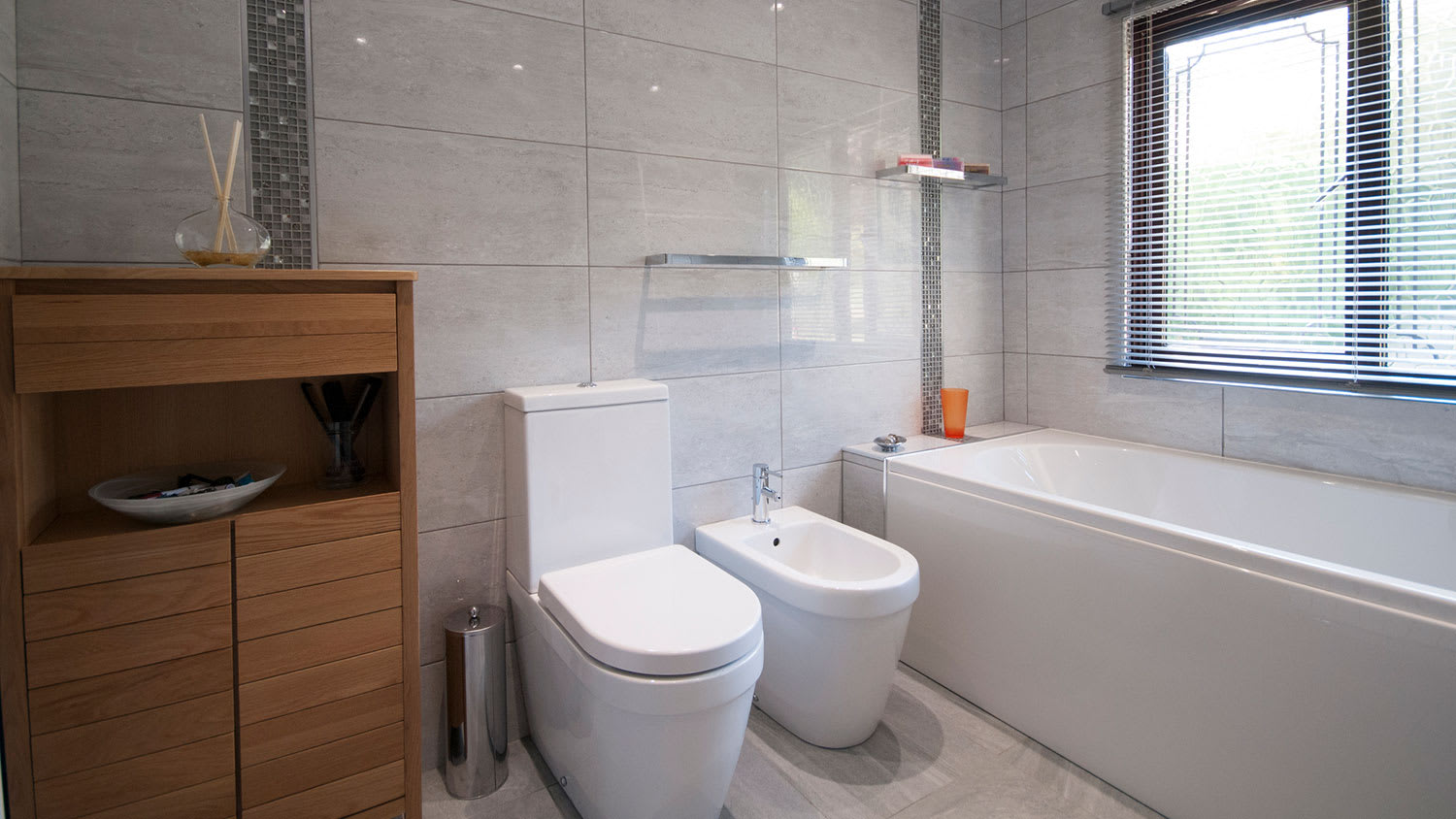
A bidet—stand-alone, attachment, spray nozzle, or toilet combo—reduces toilet paper usage and saves money, but how much is a bidet? Here’s how much you’ll pay.
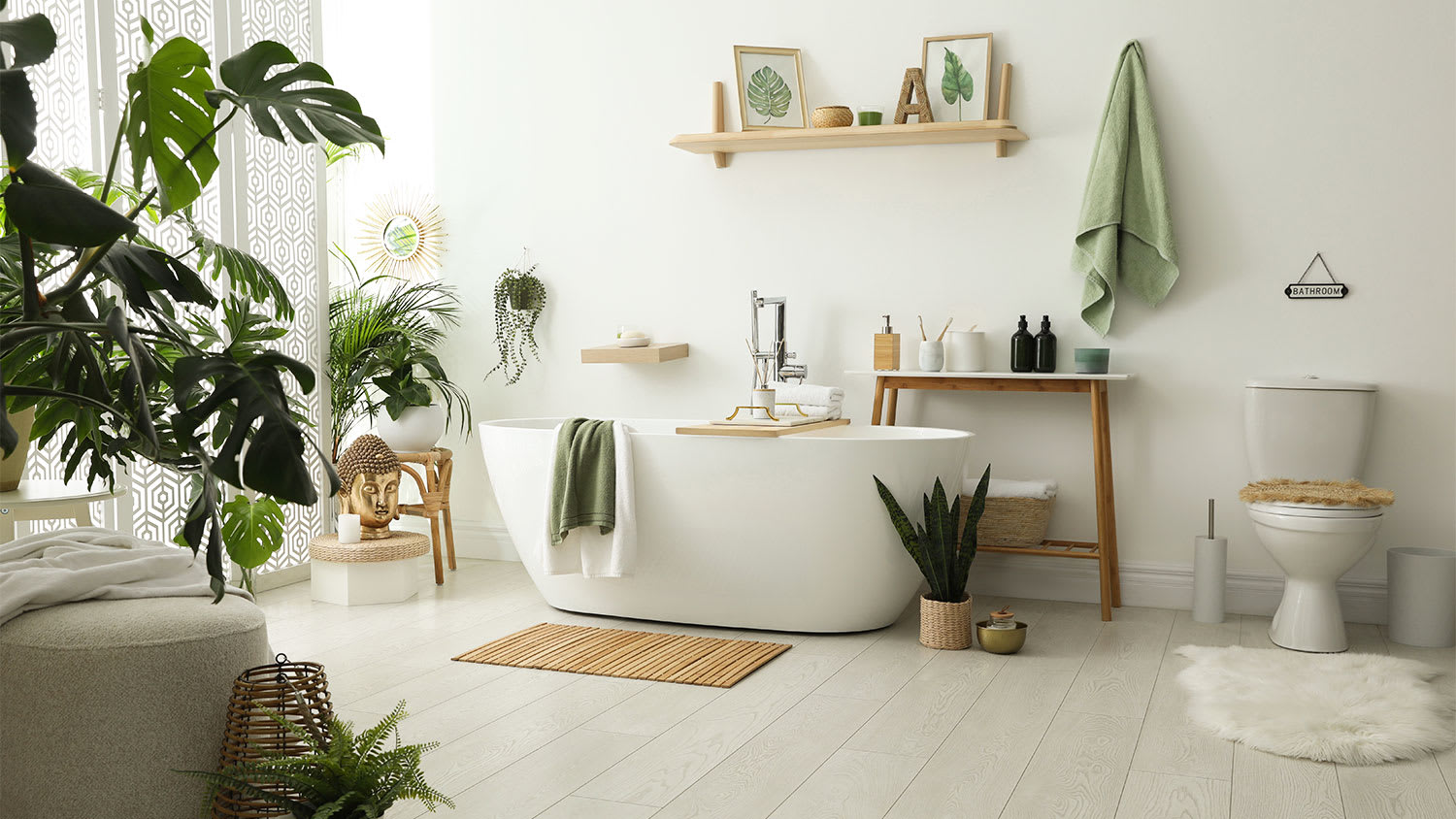
Save big bucks by installing a new toilet with your DIY skills. Follow this guide to learn how to install a toilet or replace one with a brand-new model.
Planning a bathroom upgrade? Learn about toilet installation costs, when replacement is necessary, and how to hire the best local plumber for your project.
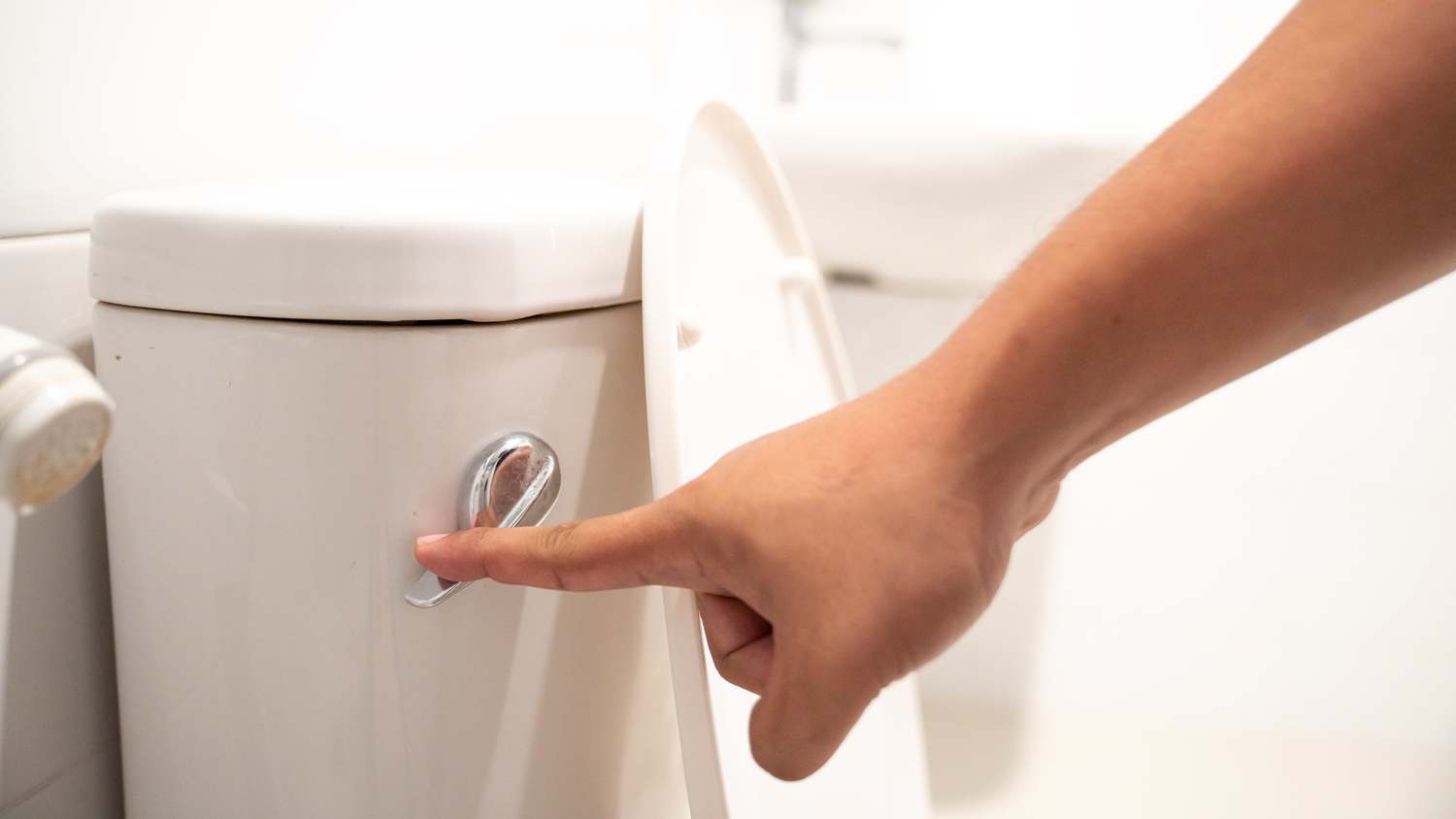
Understand how much water a toilet uses per flush and find ways to make your house more sustainable and efficient while lowering water bills.