

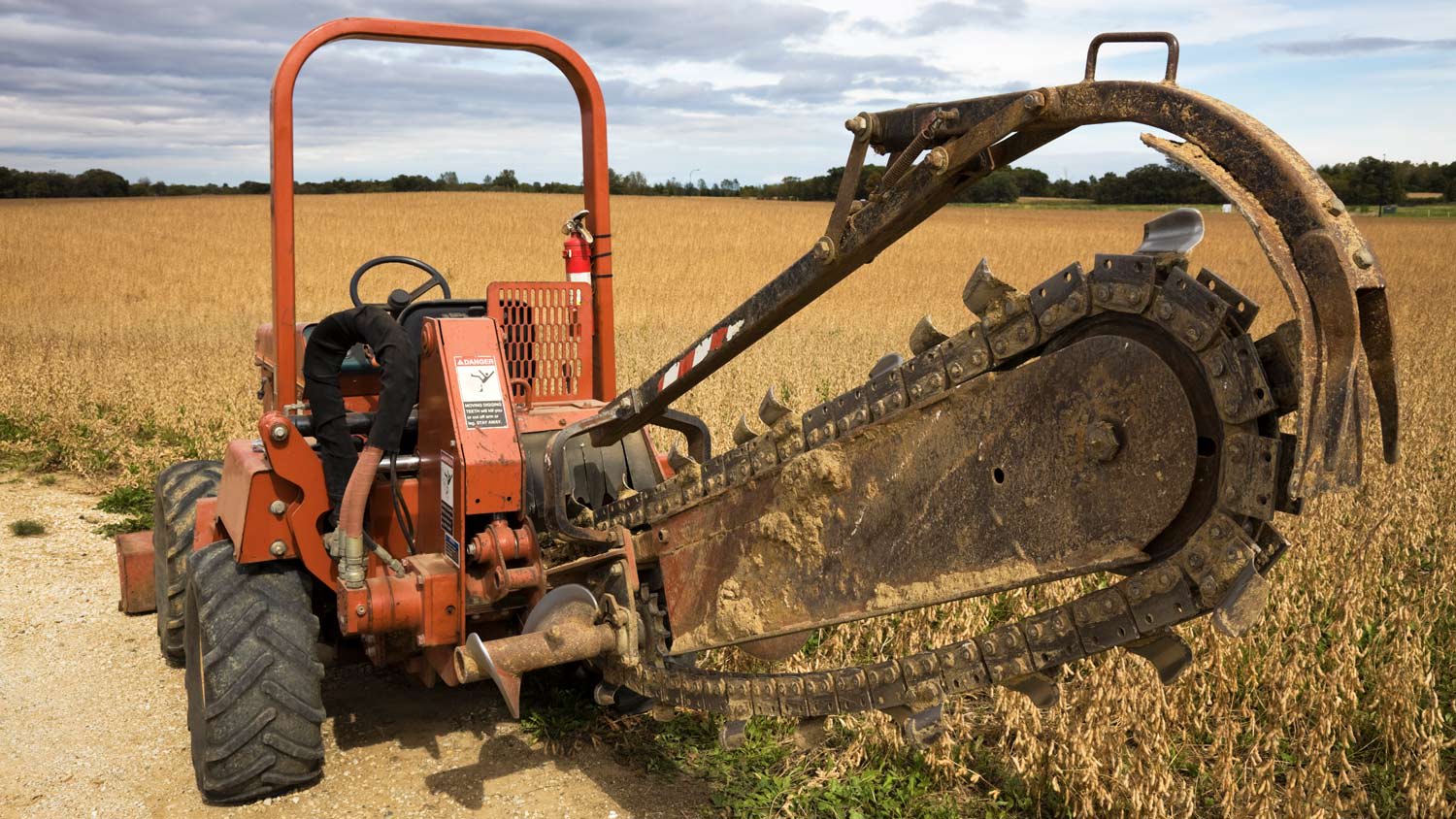
If you need to dig a trench, you might be tempted to do it yourself instead of hiring a pro. So, how much does it cost to rent a trencher? Let’s break it down.
Excavation costs depend on your project and location. Check with a local pro for your specific job.

Professional trenching costs between $5 and $12 per linear foot for your standard project, with complex jobs reaching $13 to $40 per linear foot.
Soil conditions and yard accessibility determine your labor needs, so rocky terrain and steep slopes increase your trenching costs significantly.
You should budget for permits running $500 to $2,000, plus fill dirt and cleanup when planning your trenching project.
Hiring a local landscaping professional ensures trenching is done safely and protects you from equipment injuries and collapse hazards.
In 2026, the national average cost to dig a trench is $950 per 100 linear feet. Most homeowners pay between $400 and $1,200 per linear foot for standard projects, or $13 to $40 per linear foot for more complex jobs, with final costs driven by soil conditions, trench depth, and yard accessibility.
Calculations are based on the average size of a home trench, which is about 100 linear feet. Calculations are rounded to the nearest whole number.
| Cost Calculator | Quantity | Cost Range in 2026 |
|---|---|---|
| Conduit materials | 1-inch PVC conduit fittings for 100 linear feet | $50–$300 |
| Trench digging labor | 100 linear feet | $575 |
| Equipment | 100 linear feet | $300–$500 |
| Permits | 1 trench digging permit | $500–$2,000 |
| Fill dirt finishing | 1 truckload | $150–$450 |
| Total | $1,575–$3,825 | |
| Total per Linear Foot | $15.75–$38.25 |
Follow these guidelines for calculating trenching pricing:
Determine linear footage: Start by calculating the total linear feet of the trenching area. You’ll use this figure to calculate the total cost.
Get multiple labor quotes: Shop around to various trenching companies to determine the best deal per linear foot or per job.
Research permit costs: Trenching permit costs vary widely based on location. Contact your local utility agency to determine the permit price in your area.
Don’t forget about dirt: If you plan to fill in the new trench, determine how much dirt you’ll need to purchase and whether to buy by the cubic foot or truckload.
Trenching cost is shaped by several factors beyond linear footage, including size, conduit materials, equipment, labor, prep, foundation, fill dirt finishing, and permits. The trench dig itself is relatively affordable, but costs rise substantially once installation of pipes, wiring, or other utilities begins.
Understanding each cost component before you start helps you budget accurately and avoid surprises mid-project.
Trench digging costs $5 to $12 per linear foot for most standard projects, rising to $13 to $40 per linear foot when obstructions, difficult soil, or lengthy digging are involved. Most contractors quote trenching per 100 linear feet, so a job quoted at $800 per 100 linear feet across 300 linear feet would total around $2,400.
If you've hired a local landscaping expert for a drainage project, ask for a per-100-linear-foot quote upfront so you can scale the estimate accurately to your yard's needs. Here is how costs break down by trench length:
| Trench Length | Average Cost in 2026 |
|---|---|
| 1 ft. | $5–$12 |
| 2 ft. | $10–$24 |
| 3 ft. | $15–$36 |
| 5 ft. | $25–$60 |
| 10 ft. | $50–$120 |
| 15 ft. | $75–$180 |
| 25 ft. | $125–$300 |
| 50 ft. | $250–$600 |
| 100 ft. | $1,300–$4,000 |
Underground conduits house electrical wires, natural gas lines, water lines, sewer lines, and other utilities. These conduits help to protect the wiring from moisture and damage. Here's what you can expect to pay for conduit materials:
| Conduit Material | Average Price per Linear Foot in 2026 |
|---|---|
| 1-Inch PVC Conduit Fittings | $0.50–$3 |
| Non-Metallic ½-Inch PVC Pipe | $4.25–$8.25 |
| Polyethylene (PEX) Piping | $0.40–$4 |
| 4-Inch PVC Piping | $1–$9 |
| Copper Piping | $2–$12 |
| 2-Inch Black Steel Pipe | $7–$15 |
Trenching labor costs around $5.75 per linear foot, and the average cost of excavation runs $3,200, or $120 to $150 per hour. Your total labor bill depends on soil type, leveling needs, accessibility, grading, and the overall size of the area. Rocky, hilly yards require significantly more effort than soft, level ground, which pushes labor costs toward the higher end of that range.
Yard obstructions can add meaningful prep costs before trenching even begins, and you may need to hire a professional to clear them first. Common prep services and their costs include:
Tree removal: $200 to $2,000
Tree stump removal: $175 to $550
Yard leveling: $1,017 to $3,296
Yard cleanup: $190 to $1,000
Equipment adds $3 to $5 per linear foot on top of labor costs. If you or the local backyard landscaping company you hire already owns the necessary equipment, you may be able to reduce this expense. Renting equipment, on the other hand, can push your total project cost noticeably higher.
Permits for trenching projects cost $500 to $2,000, depending on your city or county. You may not need a permit simply to dig the trench, but installing a utility such as water or sewage almost always requires one. Contact your local municipality before work begins to confirm which permits apply to your specific project.
The majority of trench projects require trenches that are less than five feet deep. However, if your project requires digging a trench that's deeper than five feet, you'll need to factor in the extra cost of adding shoring or protective barriers—with steel beams or wood planks—to prevent the trench from collapsing on workers.
Once trenching is complete, you'll need fill dirt to close the trench, which costs $5 to $15 per cubic yard or $150 to $450 per truckload. Larger or more specialized projects carry higher fill costs—construction projects run $10 to $30 per cubic yard, while septic fill dirt costs $12 to $30 per ton.
Get a fill dirt estimate alongside your trenching quote so the full project cost is accounted for before work begins.
Many utility companies and specialists require that they handle the trench digging themselves, so the costs below include both the trench and the installation. Here is what you can expect to pay per project type:
| Trench Project | Average Cost in 2026 |
|---|---|
| Drainage System | $2,111–$6,775 |
| Underground Electrical | $600–$2,100 |
| Water Lines | $800–$3,000 |
| Sewage System | $1,439–$5,724 |
| Gas Pipes | $300–$800 |
| HVAC System | $5,000–$12,500 |
| New Foundation | $5,100–$19,400 |
| Retaining Wall | $3,200–$9,201 |
| Basement Waterproofing | $2,335–$7,685 |
The costs for a drainage system run around $2,111 to $6,775, with the lower end more likely if you handle the trenching yourself. Homeowners dealing with yard drainage issues such as excess flooding or soggy ground can install a drainage system to protect their yard long-term.
Electrical trenching costs around $600 to $2,100 and covers a range of projects including hot tub installation, whole-home generator hookups, and new electrical panel work. Underground wiring offers a practical advantage over above-ground lines because it is better shielded from weather and natural disasters. If you're planning any of these upgrades, factor in the trenching cost when budgeting for the full installation.
Installing new water pipes runs around $800 to $3,000, including the cost of the trench. This range covers a variety of projects, from bathroom additions and sprinkler system installation to swimming pool plumbing and well digging. The scope and complexity of the water line work are the main factors that push costs toward the higher end.
A sewage system project costs around $1,439 to $5,724, with complexity and pipe length driving costs toward the higher end. Sewage installation requires careful construction to ensure new pipes don't back up neighboring lines or cause a sewage flood. Hiring an experienced professional is especially important for this type of work given the potential consequences of improper installation.
Hooking up new gas lines costs around $300 to $800 to install, making it one of the more affordable trenching projects. This cost covers the trench and line installation, whether you're adding a gas stove, outdoor grill connection, or another gas-powered appliance.
A new HVAC system installed with underground ductwork costs $5,000 to $12,500, with the ductwork material being the primary cost driver. Some HVAC systems are buried beneath and around the home to protect ducts from harsh weather rather than running them through interior walls. The type of material selected for the ductwork is what most significantly influences where your project lands within that range.
Adding foundation to the property ranges from $5,100 to $19,400, depending on the scope of work. Partial additions or section replacements keep costs toward the lower end, while a full foundation replacement pushes the price to the top of that range.
Building a retaining wall costs between $3,200 to $9,201 in total, or $60 to $70 per linear foot depending on length, depth, and materials. Retaining walls serve a practical purpose beyond aesthetics—they prevent erosion and flooding while adding structural support to your home's foundation.
Basement waterproofing costs $2,335 to $7,685 for most projects. When interior wall access isn't possible, contractors must perform a deep outdoor trench excavation, which adds $120 to $220 per linear foot to the total. Ask your contractor upfront whether interior or exterior access will be needed, since the answer significantly affects your final cost.
Hiring a trench digging pro near you averages $950 for the task, while doing it yourself can bring that cost down to $300 to $400. However, renting a micro-trencher runs $125 per day, and those rental days add up quickly if the project takes longer than expected.
Factor equipment rental into your DIY budget before assuming the savings will be significant.
While there's potential to save on labor, consider the following before you skip hiring local grading and hauling pros to get this job done:
Excavation pros have the tools and expertise needed to get this task done in a timely manner.
Pros are also familiar with all local regulations for managing soil.
Unexpected obstructions, complicated soil conditions, and water issues can all thwart a DIY attempt by making trenching much more difficult than it looks on the surface.
Handling heavy trenching equipment on your own could be dangerous.
If you'd like to save on this project, consider handling these tasks on your own:
Remove all vegetation (trees, shrubs, dense growth) from the planned trench area or path.
Clear debris, such as rocks and fallen tree limbs, from the trenching area.
Coordinate with your town to dispose of all greenery and debris removed from the trenching area.
Although you can't change the cost per linear foot, there are ways you can save while digging a trench, including:
Get at least 3 quotes from local excavation companies.
Take care of all the prep work before the trenching begins.
Handle clean up yourself.
Dig the trench yourself and save the utility installation for the professionals.
Schedule your trenching project during the warm season when snow, ice, and water won't be a problem.
Ensure you confirm your property boundaries with your town or municipality before a professional begins trenching.
Be prepared to discuss your preferred conduit/piping material with the professional you hire to ensure their available options meet your budget and performance needs.
Have a rough estimate of the linear feet involved when sourcing quotes.
Based on your budget, consider options for hiding trenching that can include fill dirt, gravel, mulch, ornamental greenery, or hardscaping with pavers and stones.
Home is the most important place on earth, which is why Angi has helped more than 150 million homeowners transform their houses into homes they adore. To help homeowners with their next project, Angi provides readers with the most accurate cost data and upholds strict editorial standards. We extensively research project costs to develop the pricing data you see, so you can make the best decisions for you and your home. We rely on reputable sources, including the U.S. Bureau of Labor Statistics, academic journals, market studies, and interviews with industry experts—all to ensure our prices reflect real-world projects.
Want to help us improve our cost data? Send us a recent project quote to [email protected]. Quotes and personal information will not be shared publicly.
Jason has helped me with multiple household projects, with the most recent being new door installation. He has always showed up on time and organized and has done an incredible job! Jason is very professional and he's now my go-to for anything around my house that needs to be fixed or...
 Huff Garage Rescue, LLC
Amazing job. Efficient and quick without compromising quality. Basement feels brand new. Would use them again in a heartbeat.
 AffordaPro Restoration
Best cleaning I've had at my property
This company is my go to resource for all my post renovation clean ups. They get the place spotless! All we have to do after is stage the place and sell, sell, sell! They are super professional and have some amazing scent that is left in every property. I highly recommend!
 The Royal Sanitation Group
Custom Paint Jobs LLC took our exterior from drab to fab! We couldnt be happier.
 Custom Paint Jobs, LLC
We had our houses windows and back door replace this summer by Window Depot USA of Central. He gave us grate advise and saved my family lots money. The team did a fantastic job with installation. If you need help, they sure get job done right!
 Window Depot USA of Central Ohio
Beginning with the estimate, Larry and Peyton were super helpful in getting my new condo's interior re-painted. Not only was the job well done, but also done in a super timely manner as promised.
 Five Star Painting of Plain City and Powell
Great job...edging and pre clean up went well with a great job with seal coat. Friendly, efficient and professional.
 All Star Paving and Sealing
Did an amazing job transforming my yard. Also installed sod in places, would recommend to everyone.
 Cardinal Landscaping & Construction LLC
Very knowledgable, very respectful and did a great job. They take pride in their work and it shows. I would highly recommend Dad's Home Repair and Excavation.
 Dad's Home Repair & Excavation
From average costs to expert advice, get all the answers you need to get your job done.
If you need to dig a trench, you might be tempted to do it yourself instead of hiring a pro. So, how much does it cost to rent a trencher? Let’s break it down.

The water main line is essential to your home’s plumbing. Over time, it can develop wear or damage. Find out how much a main water line replacement costs here.
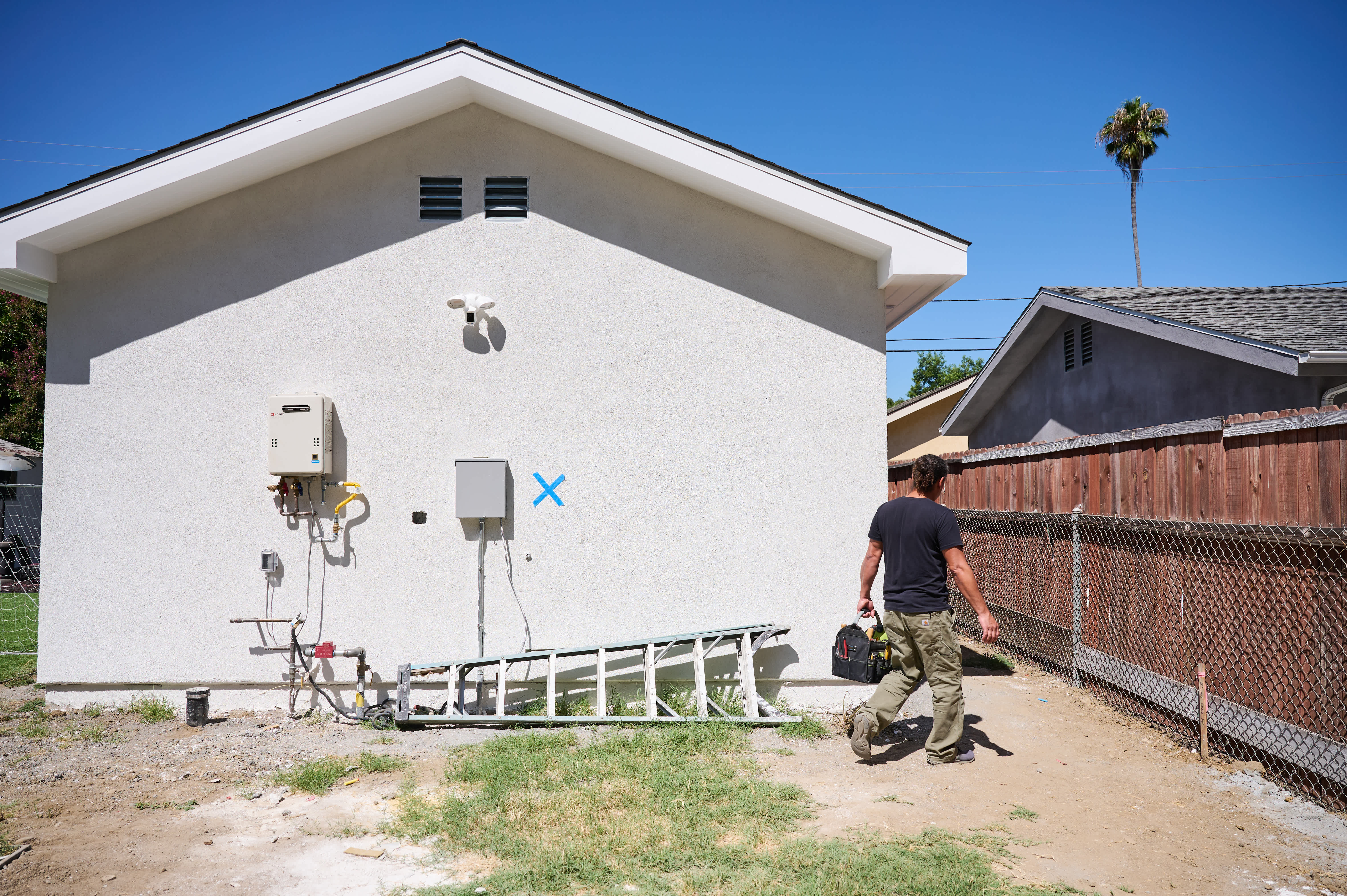
Before you hire a licensed electrical contractor, you should learn the cost to run electric from the road to your house so you can budget for the project.
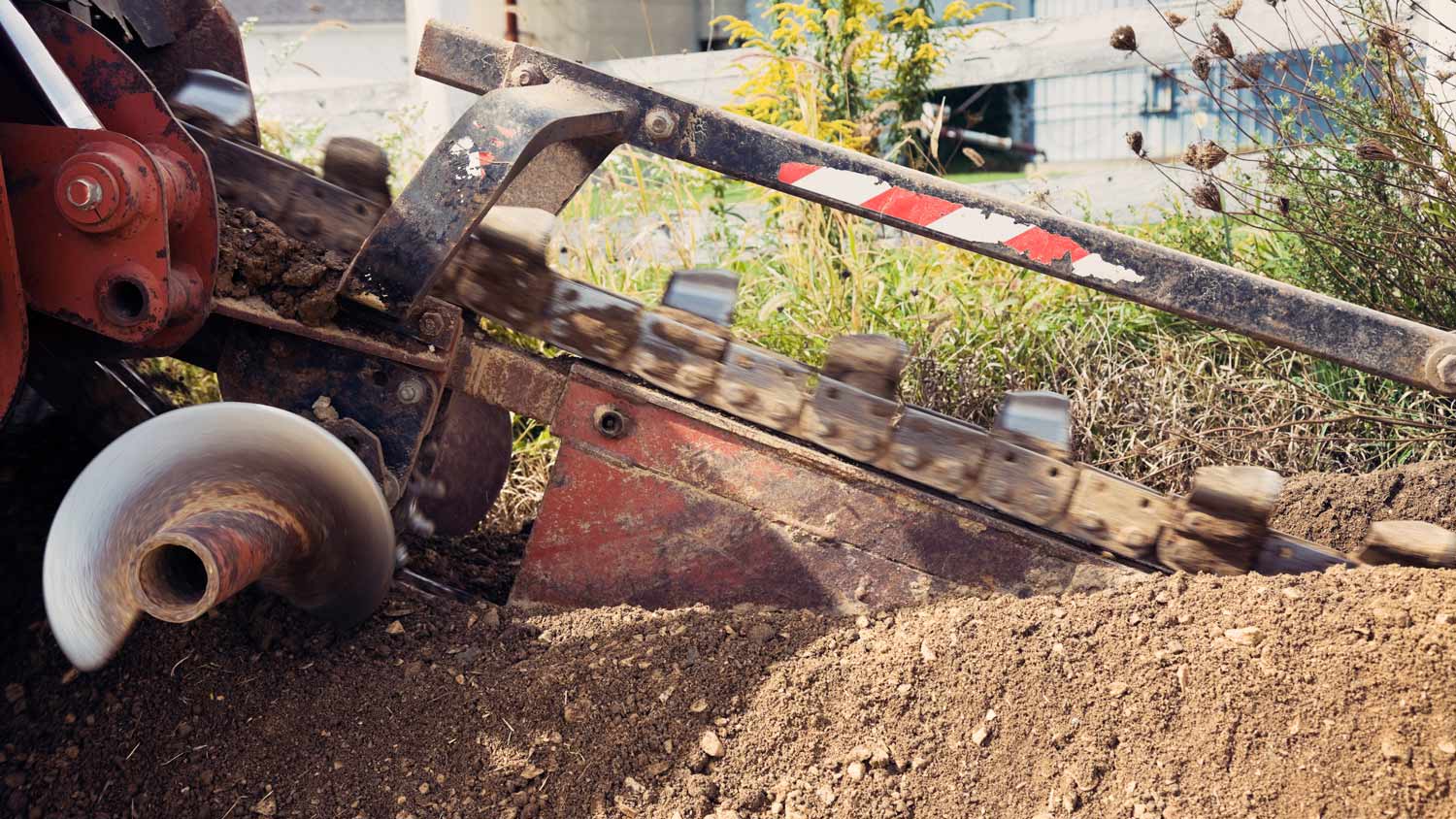
Using a trencher is more efficient than using a shovel when excavating. Here’s a basic guide on how to use a trencher for your next project.
Who installs trench drains? A local excavation company is best for the job, but a landscaper or plumber can also get it done. Here's how.
When digging for utility installation, you may wonder if gas and electric can be in the same trench. Find out the basics to utility trenches in this guide.