

•
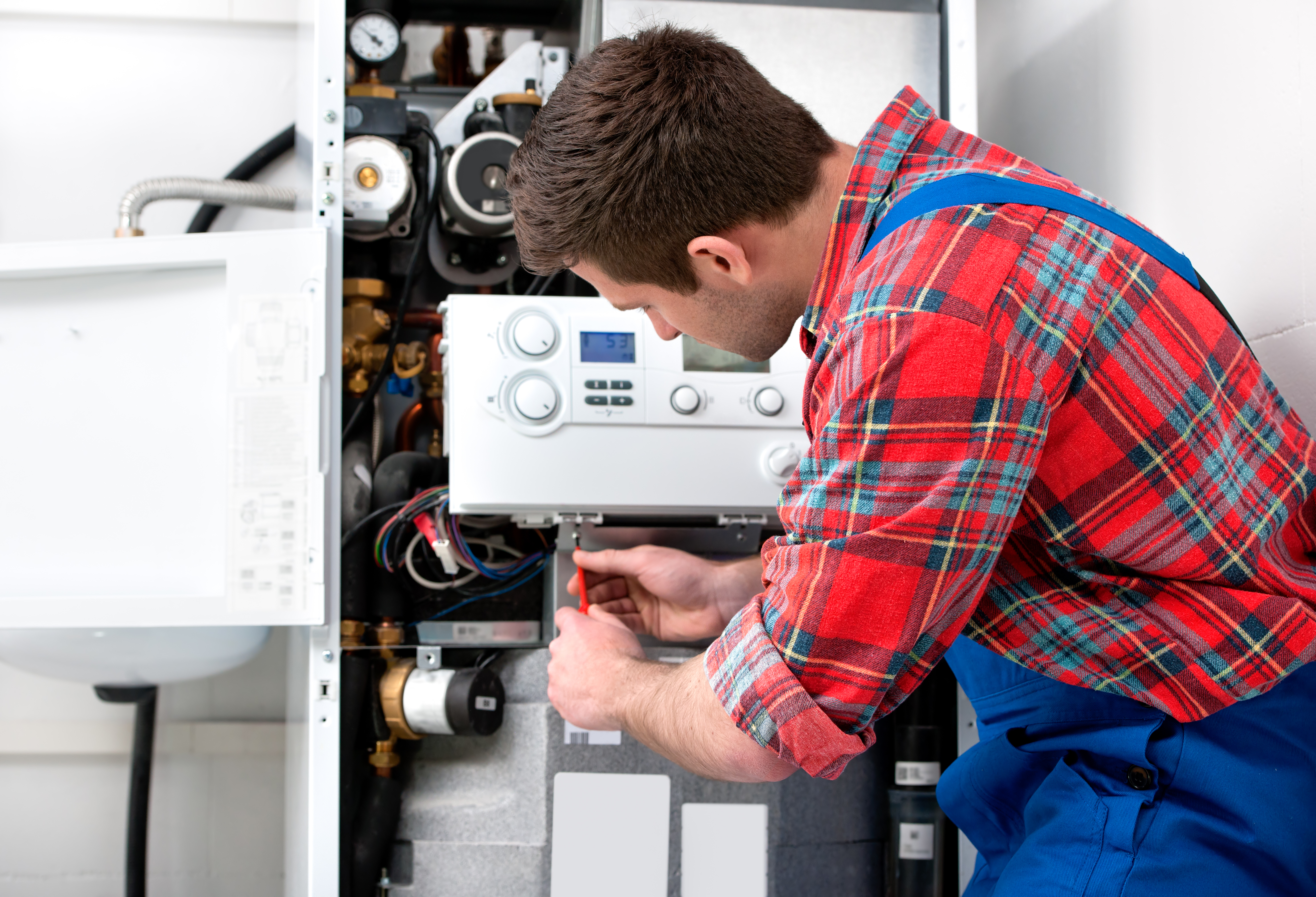
Get the facts on propane boiler installation costs. Learn what impacts your price, compare options, and budget confidently for your home upgrade.
Plumbing costs depend on your project and location. Check with a local pro for your specific job.

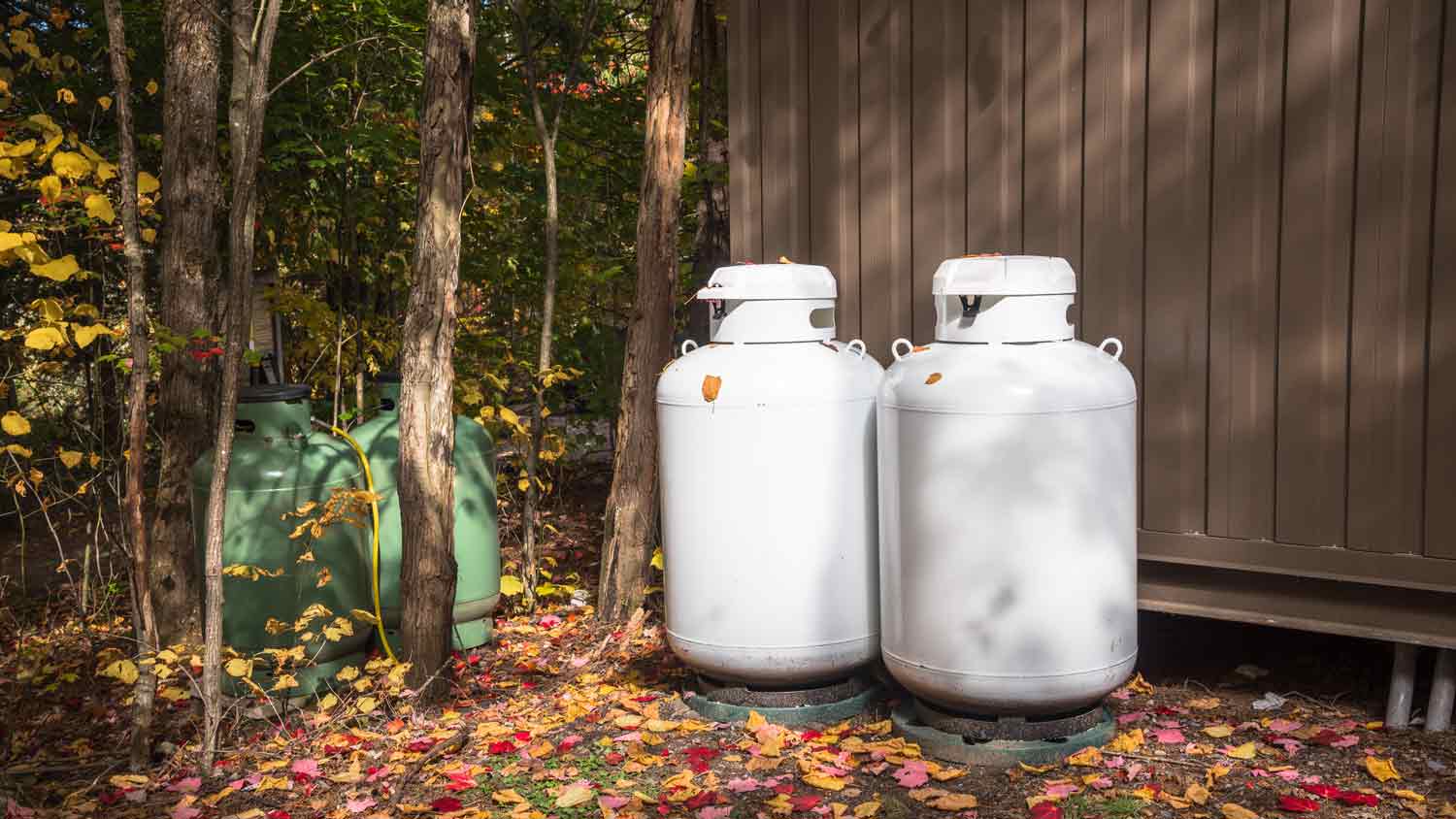
Propane tank installation costs between $600 and $2,500, and your tank size and site set the total.
Your materials, tank size, and aboveground or underground placement shape labor needs and the work required on your property.
Remember to include permit costs starting at $150 plus concrete pad expenses so your budget covers required prep.
Hiring a local gas grill installation professional reduces the risk of gas leaks by securing proper connections.
The average propane tank cost is about $1,400, though most homeowners pay between $600 and $2,500 for the tank and its installation. The prices of propane tanks vary significantly by size, region, and whether it’s aboveground or underground. A 250-gallon tank costs $500 to $1,000 or more if it’s installed underground.
Whether you’re looking to supply your whole home to keep it toasty or want to crank up the grill, here’s what you need to know about budgeting for a propane tank to keep the fire burning.
Your propane tank’s size and capacity, labor, prep work, and location are some of the biggest factors in your total tank installation spending. Let’s break down the most significant cost factors.
Size has the biggest effect on the price of a propane tank. A 250-gallon propane tank costs between $500 and $1,000, while a 15-pound tank bought from the store might only be around $50.
It can feel a little confusing when comparing propane tank prices because some tanks might be labeled by the gallon while others are labeled by the pound. For the most part, larger tanks for whole-home systems will use gallons, while smaller tanks for outdoor grills and backup generators are more likely to use pounds. But this isn’t true in all cases, so you’ll want to keep a close eye on the propane tank you plan on purchasing to avoid buying the wrong size.
Propane tanks can cost as little as $35 if you’re buying a small tank to hook up to the grill and don’t require any labor or other installation expenses. However, for tanks to fuel your home and appliances, which come with installation costs, you’ll pay at least $600 and upwards of $2,500 or more for 1,000-gallon tanks. Here is a chart breaking down the cost of your propane tank by the gallon.
| Propane Tank (Gallons) | Average Price |
|---|---|
| Under 100 | $35–$300 |
| 100 | $350–$500 |
| 120 | $400–$800 |
| 250 | $500–$1,000 |
| 500 | $700–$3,000 |
| 1,000 | $1,500–$5,500 |
One gallon of propane is roughly a little more than four pounds. It’s not uncommon for manufacturers to label 100-gallon units by the pound, so be on the lookout for a 420-pound tank size on the label to quickly identify the correct tank size. Here’s a breakdown of common propane tanks by the pound and their average price range:
| Propane Tank (Pounds) | Average Price |
|---|---|
| 15 | $35–$55 |
| 20 | $40–$60 |
| 100 | $100–$150 |
| 200 | $350–$700 |
| 420 | $400–$800 |
While the tank itself costs between $30 and $3,500, depending on the capacity, the labor cost can range anywhere from $250 to $5,000.
If you’re just installing a small propane tank for an outdoor grill, you might only pay for the tank and the propane. Installing a propane tank underground is where you’ll see the biggest cost disparity—underground tank installations cost $1,100 to $4,700 more than aboveground tanks.
If you’re installing an underground propane tank, anticipate spending more to prepare the site for the installation. You’ll spend anywhere between $50 and $200 per cubic yard to excavate the area. Some aboveground tanks require a concrete slab, which costs $50 to $175.
Permits can cost around $25 to $150, depending on your location, tank size, and zoning requirements. Obtaining permits ensures that your tank is compliant, protecting both your property and the surrounding environment. It also hedges you against fines during the installation process.
Concrete pads cost anywhere from $50 to $175 on average or between $4 and $25 per square foot, depending on how thick you pour them. Before you can install an aboveground tank, you’ll need to make sure you have a place to put it. Concrete pads—also called concrete slabs—are required by most municipalities. The size you need depends on the number of gallons your propane tank holds:
| Tank Size (Gallons) | Average Price for Pads |
|---|---|
| 120 | $50–$75 |
| 250 | $75–$125 |
| 500 | $125–$175 |
If you’re replacing an old propane tank with a new one, you could pay as little as $100 or as much as $1,500 to remove the old one. The vast price difference comes down to the cost of excavating the area to remove a belowground tank versus the cost of simply unhooking an aboveground tank and having it hauled away. If you need to replace the concrete pad, that will be an additional expense of around $200.
The average cost to run an underground gas line is $540, but it can range anywhere from $250 to $800 for the average homeowner. How much you’ll pay depends on how long you need the line to be in order to operate, with costs between $15 and $25 per linear foot.
Buying or leasing a propane tank can be a tough decision. If you’ll be in your home long-term and you can budget $1,000 to $2,000 to spend on a tank, buying can save money in the long run. You can pick your supplier based on prices and perks, and you don’t have to deal with minimum usage fees. Owning your tank may also allow you to bury the tank underground to keep your landscaping streamlined. On the downside, all maintenance responsibilities and costs are on you as the owner.
Leasing offers advantages under the right circumstances. Leasing might be a good option if you:
Rather not buy a tank up front
Don’t want to worry about scheduling maintenance
Prefer maintenance costs to be part of a monthly payment plan
However, when you lease, you’re stuck with the leasing provider, and many providers have minimum usage fees that increase costs. But if you won’t be in the home for long, leasing can keep your propane tank full and free you of maintenance worries.
Adding a propane tank to your property entails some recurring costs associated with its maintenance and operation.
According to the U.S. Energy Information Administration, the average price of propane is $2.58 per gallon as of March 2024. For a 250-gallon propane tank, that would amount to $645 for one fill. It’s important to note that prices vary greatly depending on where you live, with some states averaging roughly $1.60 per gallon and others averaging over $5 per gallon.
You’ll need to undergo annual inspections to ensure your tank complies with safety standards. Inspections cost $50 to $75 per year and check for leaks, secure valves, and proper placement of the tank.
You might decide to rent a propane tank to leave the installation hassle (including regulatory compliance) for the company you’re leasing from, but it also means you’ll pay more overall. You’ll spend between $150 and $180 yearly for a rental tank—though some companies only charge you for the cost of propane. You might find that they charge you a higher rate per gallon than you’d get if you filled a tank you owned.

You’ll see a noticeable difference in the cost of your propane tank depending on whether you choose an aboveground or underground propane system. Again, underground tanks cost $1,100 to $4,700 more than aboveground ones. Let’s look at what plays a part in impacting these price differences.
| Factor | Aboveground Tank | Underground Tank |
|---|---|---|
| Cost | $400–$3,500 | $1,500–$5,500 |
| Maintenance | Easier to maintain due to being visible and accessible | Requires special equipment and expertise to maintain and inspect |
| Longevity | More susceptible to damage and corrosion | Longer lifespan due to reduced exposure to outside elements |
| Best for | Areas prone to flooding | Preserving property landscape |
The price for an aboveground propane tank falls between $400 and $3,500 for a 100-gallon and 1,000-gallon tank, respectively. If you live in a region prone to flooding, installing an aboveground tank is likely your best option.
The main downside is that aboveground tanks are exposed, meaning they’re more subject to weather conditions and may be visually unattractive on your property.
Underground propane tanks cost more than aboveground propane tanks. You’ll spend between $1,500 and $5,500 or more to install one. This comes down to a few additional labor expenses:
Excavation costs: $500–$2,400
Plumbing costs: $45–$200 per hour
Trench costs: $400–$1,200 per 100 linear feet
Gas line costs: $120–$1,350
If you don’t want your tank to be visible, you might want to choose a belowground tank. These tanks are also temperature-controlled. However, it’s harder to know when there’s an issue with an underground tank and harder to access, making it important to stay on top of yearly maintenance services.

Unless you're simply refilling a small propane tank for your grill, this project should be left to a local propane company or gas grill installer near you. Aside from the fact that excavation equipment needed to install a propane tank can cost $350 per day, this is also a highly skilled task that involves gas lines. Expert knowledge is necessary for ensuring safety compliance, proper grounding, correct connections, and accurate tank sizing tailored to your household's specific needs.
Any project involving utilities should be done with help from locally licensed pros. Here's why that rule is especially important in the case of propane tanks:
Underground propane tank installation often involves excavation efforts and the removal of rock or boulders using specialized equipment, which can cost between $400 and $800 to rent.
Connecting your tank requires special safety knowledge and expertise.
Natural gas lines pose risks like carbon monoxide poisoning and gas leaks.
Your propane tank could leak or explode if not installed properly.
You could be fined for connecting to a gas line without obtaining the proper permits and licenses.
Improperly connecting your tank to appliances in your home can affect their performance and longevity.
There are admittedly few ways that you can save on the cost of a propane tank, but you’ll find trying out the following tips can help make a difference:
Choose an aboveground propane tank to avoid excavation and trench costs.
Pick a smaller-sized tank that still meets your needs.
Consider a combination of small tanks and medium-sized tanks.
Shop for the best propane tank prices and gas companies in your area.
Don’t rent if you can afford to buy a propane tank.
Evaluate your household's needs to select the right tank size, ranging from 120 gallons to 1,000 gallons.
Verify that all propane appliances and hookups in your home are properly ventilated and installed.
Ask your propane installation pro about any clearing you need to do for pathways on your property before delivery and installation can be done.
Ensure that delivery coincides with a time you're available to be at home.
If your budget allows, consider ways to conceal your propane tank using privacy fencing, safe shrubbery, or large planters.
Home is the most important place on earth, which is why Angi has helped more than 150 million homeowners transform their houses into homes they adore. To help homeowners with their next project, Angi provides readers with the most accurate cost data and upholds strict editorial standards. We extensively research project costs to develop the pricing data you see, so you can make the best decisions for you and your home. We rely on reputable sources, including the U.S. Bureau of Labor Statistics, academic journals, market studies, and interviews with industry experts—all to ensure our prices reflect real-world projects.
Want to help us improve our cost data? Send us a recent project quote to [email protected]. Quotes and personal information will not be shared publicly.
Positive experience. As previously stated, the replacement/repair could not be completed (no fault of the plumbing tech) b/c misinformation was rec?d by property management maintenance. Thanks to the plumbing tech for your efforts. Appreciate you!
 The Waterworks
If you want to pay the most exorbitant prices possible for your job, this is the company for you. “By the job” pricing is a rip-off, at least how these people use it. Every job is plugged into a category and prices are set by category. You might have a job that takes half an hour or one that...
 Benjamin Franklin Plumbing
Cole has been handling plumbing and general contracting for our four properties over the past three years, and he’s always done a great job. Most recently, he installed a sink and countertop in our retail store where none existed before, and it turned out exactly how we needed. He’s...
 ANB Renovations LLC
Matt is a consummate professional. The work turned out to be far more difficult than expected and rather than turn the job down, Matt rose to the occasion and completed a near impossible task. I can not recommend Greene's Plumbing Service more highly. On a scale of 1-5 I would give Matt a...
 Greene's Plumbing Service
Involved an extensive bathroom remodel, including removing tub & installing walk in shower, new drywall, custome tile work to ceiling, plumbing, etc. Overall, job was done on time and on budget. Nick & his team were very professional and had high attention to detail. Quality was great. Highly...
 Stamos Flooring and Remodeling LLC
Awesome company. Had a jacuzzi tub taken out and replaced with huge walk in shower with partial glass enclosure. Onyx to the ceiling with a decorative border, moved plumbing and installed hand held shower, new ceiling, flooring, and paint. Replaced window with glass block. Everything was done...
 Columbus Bath Design
The initial quoted price from a walk-through seemed high, but we discussed that the quote represented worst case scenario (re-wiring to two floors) and we were excited about the opportunity to have the work done in a timely manner with closing for fire safety reasons, etc. When the job was...
Initially, I called the Service People to have a leaking garbage disposal replaced. I had purchased a special deal through Angie's List: $79 for $200-worth of plumbing services. <br /> When I went to schedule the work, the earliest date I could get through Angie's List was after the upcoming...
This company did a very good job on the brick wall and it looks just amazing. The staff was always professional and was practically OCD on how the bricks were stacked and how they were laid. Although it took longer than expected, I am willing to sacrifice time over perfection anyday. The...
 My Handy Mate LLC Improvement & Remodeling
<p>I am so glad we called Rotor-Rooter. I was hesitant to call them because we usually prefer to give business to local providers. But when we had sewage back up in our basement on a Saturday evening, I had a hard time getting a hold of someone, not to mention the high weekend/evening rate...
 Roto-Rooter Plumbing & Water Cleanup
From average costs to expert advice, get all the answers you need to get your job done.
Get the facts on propane boiler installation costs. Learn what impacts your price, compare options, and budget confidently for your home upgrade.
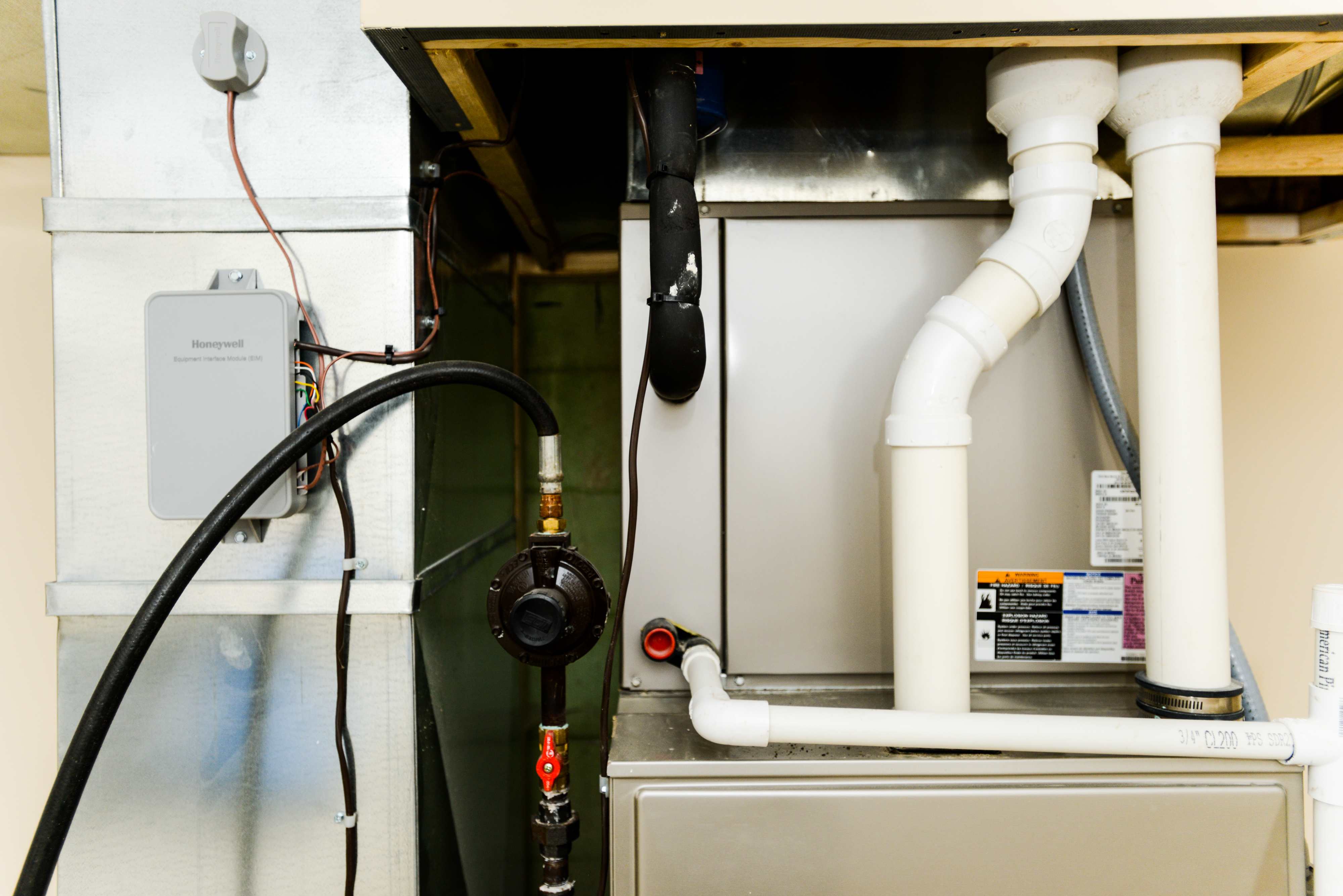
Discover the cost to install a propane furnace, including average prices, key cost factors, and tips to help you budget for your home heating upgrade.

Discover the average water tank cost, including installation, maintenance, and tips to save. Get transparent pricing and expert advice for your home project.
Planning a water or fuel tank installation? Learn about options, expected costs, and how to hire the right local pro for your home.
If you’ve had the same gas tank for 30 years, it might be time to get rid of it. Here’s how to dispose of a propane tank in a safe way.
Learn how to hire a plumber for water tank installation. Get tips on finding qualified pros, questions to ask, and what to expect during the process.