


The cost to add a room above a garage can be well worth it because it boosts your home's square footage and value. Let’s take a look at the cost and ROI.
Kitchen and bathroom remodel costs depend on your project and location. Check with a local pro for your specific job.


Room addition costs $20,900 to $72,600, and your total depends on room size and the space you add.
The complexity of your electrical and plumbing needs will significantly impact your project budget, especially for bathrooms and kitchens.
Budget for permits ranging from $150 to $2,000, plus demolition, site prep, and inspections for your addition.
Hiring a local home addition professional ensures your structural project is done well and boosts the overall home value.
In 2026, the national average cost for a room addition is $48,000, though most homeowners spend between $20,900 and $72,600, depending on materials, labor, and room type. Location, room size, and whether you hire a contractor or take on some of the work yourself all contribute to that spread.
Room size is one of the biggest drivers of your total room addition cost, with larger spaces requiring more materials, labor, and time. Costs vary significantly depending on the square footage you add, so the table below breaks down average prices by room size.
| Room Size | Average Prices in 2026 |
|---|---|
| 20’x20’ | $32,000 – $80,000 |
| 12’x12’ | $11,520 – $28,800 |
| 10’x12’ | $9,600 – $24,000 |
| 400 sq. ft. | $32,000 – $80,000 |
| 500 sq. ft. | $40,000 – $100,000 |
| 600 sq. ft. | $48,000 – $120,000 |
| 1,000 sq. ft. | $80,000 – $200,000 |

The type of room you add has a direct impact on your total cost, since each room comes with its own installation requirements. Adding a primary suite with an attached bathroom, for example, means budgeting for bathroom plumbing that typically runs $1,500 to $4,000 on top of the base addition cost.
A bedroom addition costs $50,000 on average, though the final price depends heavily on size and features. Larger bedrooms with extra windows and walk-in closets push costs toward the higher end, while smaller guest or kids' rooms are considerably more affordable. Adding a bedroom can increase your home's value and make the property more appealing to buyers when you're ready to sell.
Adding a new bathroom costs $22,000 on average and delivers a strong return, with homeowners seeing a 47% to 67% ROI depending on location. If a full bathroom exceeds your budget, a half bathroom with just a sink and toilet is a more affordable option at $4,200 to $12,000.
The cost to build a primary bedroom with a bathroom ranges from $30,000 to $100,000, though large suites or high-end finishes like custom cabinetry and marble countertops can push the total well over $100,000.
A new kitchen installation costs between $35,000 and $95,000, with most projects averaging around $65,000. Features like islands and appliances account for a significant share of that cost, so there are meaningful opportunities to trim expenses by scaling back on those elements.
A bump-out addition expands an existing room and often adds new amenities, with bump-out additions costing $4,000 to $30,000 depending on how much space you're adding. Because bump-outs typically involve minimal electrical work and no plumbing, they tend to be more affordable than most other addition types.
Adding a separate dining room typically costs between $3,000 and $50,000, with the wide range reflecting differences in size and finish level. High-end lighting, chandeliers, a wet bar, and similar amenities can push the total toward the upper end of that range.
Finishing a basement means converting an unfinished space into a fully livable room with lighting, heating, and other essentials, and the cost to finish a basement ranges from $15,000 to $75,000 depending on the scope of work. A half-finished basement requires fewer materials and sits toward the lower end of that range.
Finishing an attic typically costs between $10,000 and $50,000 for the cost of finishing an attic, making it a simpler and generally less expensive project than finishing a basement. Most homeowners convert the space into an extra bedroom, home office, or lounging area.
Converting a garage to a room costs between $6,000 and $27,000, making it one of the more budget-friendly addition options. Garages work well as game rooms, extra bedrooms, or home offices, and the lower cost reflects the reduced wiring and plumbing work typically required.
Adding a bonus room above the garage costs around $115 per square foot, with the average project totaling about $45,000. Costs vary based on factors like staircase construction or structural changes to the existing garage, and significant structural work can add $10,000 to $40,000 or more to the total.
The cost of adding a laundry room typically falls between $5,000 and $7,000 for most homeowners. Upgrading appliances, adding a sink, or installing extra shelving can push the total to $10,000 or more.
Mudrooms are among the least expensive rooms to add, with a 36-square-foot mudroom or new entryway costing around $3,600 to $7,200 depending on flooring and storage choices. Their small footprint and lack of plumbing requirements keep costs lower than most other addition types.
A window-filled sunroom costs between $10,000 and $40,000 for an average three-season build, depending on construction type. The space can serve as a play area, a second living room, or even a small indoor greenhouse.
Adding an in-law suite costs $44,000 to $100,000 depending on size and complexity, with privacy and access considerations often adding to the total. If that range exceeds your budget, building an accessory dwelling unit (ADU) or an addition is another option worth exploring for an in-law or guest suite.
A local home addition general contractor manages labor, materials, and scheduling for your project, and hiring a general contractor typically costs $300 to $500 per day on top of materials, though some contractors charge a percentage-based fee of 10% to 20% of the total project cost instead.
Most room additions also require specialized subcontractors for work like plumbing, roofing, and wiring, which the general contractor will coordinate and which adds to your overall budget. Many projects also call for an architect during the planning stages, costing $2,000 to $8,400.
[For a home addition], we charge piece-by-piece for the project, then we add our profit and overhead. For example, lumber for the project, permits, demolition, electrical, plumbing, and drywall. I add them up and then add our profit and overhead. On smaller jobs, we work by the hour and then add the material on top of that.

Electrical installation is part of nearly any home addition cost, with wiring for outlets and lighting running $2 to $4 per square foot. If the existing electrical system needs upgrades to meet building code, such as replacing an outdated service panel, budget an average additional $1,150. Here's how room addition electrician costs costs compare by task:
| Task | Cost in 2026 |
|---|---|
| Outlet installation | $100–$450 each |
| Light switch installation | $60–$300 each |
| Light fixture installation | $150–$900 each |
Outlet installation: $100 to $450 each
Light switch installation: $60 to $300 each
Light fixture installation: $150 to $900 each
If your room addition includes a bathroom, plumbing costs will range from $1,000 to $10,000 depending on the complexity of the work and how the new space ties into your home's existing system. Here's how room addition plumber costs costs compare by task:
| Task | Cost in 2026 |
|---|---|
| Toilet installation | $225–$530 |
| Sink installation | $215–$660 |
| Shower installation | $1,100–$8,500 |
Toilet installation: $225 to $530
Sink installation: $215 to $660
Shower installation: $1,100 to $8,500
Depending on your project's scope, you may need to hire additional specialists beyond a general contractor, and costs vary by trade and project complexity.
| Contractor | Cost in 2026 |
|---|---|
| HVAC installer | $2,000–$3,000 |
| Structural engineer | $70–$250 per hour |
| Architect | $125–$250 per hour |
| Foundation contractor | $5–$37 per sq. ft. |
HVAC installer: $2,000 to $3,000
Structural engineer: $70 to $250 per hour
Architect: $125 to $250 per hour
Foundation contractor: $5 to $37 per sq. ft.
See how room addition cost factors costs break down below:
| Room Addition Cost Factors | Average Costs in 2026 |
|---|---|
| Permits | $150–$2,000 |
| Demolition and site prep | $1,300–$5,100 |
| Inspections | $200–$300 |
| Framing | $6–$10 per square foot |
| Roofing | $80–$100 per square foot |
| Support beams | $1,150–$4,600 |
| Doors | $1,000 |
| Windows | $235–$2,500 |
| Drywall | $1–$3 per square foot |
| Flooring | $1,500–$4,500 |
| HVAC | $1,150 |
| Electrical wiring | $2–$4 per square foot |
| Plumbing | $1,000–$10,000 |
Building permits for a room addition cost between $150 to $2,000 in most situations, varying by location and project size. When you hire a contractor, obtaining permits and meeting their requirements is typically handled by the contractor and included in your contract.
Excavating, demolishing, and preparing a construction site typically costs around $1,300 to $5,100 before any building begins.
Materials costs have a significant impact on your total project budget, with quality and availability both influencing what you pay from structural components to finishing touches. Material shortages, supply chain disruptions, or transportation issues can cause unexpected price increases, so it's worth building some flexibility into your budget.
An inspection will cost an average of $200 to $300 for a room addition, and inspections are required for your project to meet local codes and be built legally. A local official may inspect the work in stages, both during construction and after completion.
Framing is included in every home renovation contract for a room addition, with costs averaging $6 to $10 per square foot of the new space. The final price depends on project complexity and how the new structure connects to the existing home.
Laying a new roof typically costs around $80 to $100 per square foot, so roofing expenses scale directly with the size of your addition.
Support beams are essential for keeping your addition's walls structurally sound, and installation typically costs around $1,150 to $4,600.
Doors cost around $1,000 to purchase and install, while windows range from $235 to $2,500 depending on the style and any customization.
Drywall is a necessary finish for any new room addition and costs around $1 to $3 per square foot.
Flooring for a room addition typically ranges from $1,500 to $4,500 depending on the material you choose. Wood flooring sits at the higher end of that range, while vinyl and linoleum options are generally the most affordable.
“Doorways from the existing house to the new space will need structural enhancement, as most external walls are load-bearing walls,” says Bob Tschudi, an Expert Review Board Member and general contractor. “As with any such change, it’s always good to consult with a structural engineer.”
Adding an additional room onto your home is a major structural endeavor, involving a long list of requirements, including electrical, plumbing, insulation, painting, and framing. With such a complex list of tasks, it's important to hire a professional contractor for your room addition project.
While it will increase the costs of your renovation, here's why you should hire a professional:
A professional has access to the best materials and tools, ensuring the highest quality work on your project.
They have the experience and insight to keep the project on a tight, efficient schedule, even with all the moving pieces.
It will reduce the risks of dangerous mistakes, both by keeping your home safe and eliminating potential costs from errors.
They will handle zoning, permits, and required inspections correctly and without delaying your project's timeline.
The structural complexity of adding another room to your home definitely calls for professional help to protect you and your home from potentially hazardous errors. However, you can DIY certain aspects of the project to keep costs lower:
Prep with measurements, zoning information, and other details about your home to cut down on time (and therefore costs) with your contractors.
DIY painting your walls and trim can save anywhere from $300 to $800, depending on the size of the space.
Handle flooring installation yourself with DIY tile or vinyl wood kits to save money on both materials and labor.

Building a room addition, or hiring a home-addition contractor near you, can be a significant investment in both time and money. However, there are several ways to save cash on building your addition to help meet a project budget.
If possible, save up for the project to pay at least some of the costs without financing to avoid long-term interest charges.
Perform some of the demolition and finishing work yourself, such as painting and trim.
Stick to your pre-determined budget for fixtures and features.
Obtain at least three price quotes from various contractors and avoid extremely low bids, as they're seldom as good a deal as they appear.
Reuse items from your existing home if demolition is part of the plan, or get second-hand fixtures and features from re-use outlets at bargain prices.
If you're supplying some of the project's materials, shop around for sales and discounts at multiple retailers.
Meet with a professional to obtain all required permits and inspections before construction begins.
Discuss pricing and potential complications with your contractor, as well as ways to either cut down on costs or use remaining budget.
Be prepared to discuss things such as window treatments, flooring options, insulation, and light fixtures with your contractor, as these essentials can significantly add to the total cost of the project.
Home is the most important place on earth, which is why Angi has helped more than 150 million homeowners transform their houses into homes they adore. To help homeowners with their next project, Angi provides readers with the most accurate cost data and upholds strict editorial standards. We extensively research project costs to develop the pricing data you see, so you can make the best decisions for you and your home. We rely on reputable sources, including the U.S. Bureau of Labor Statistics, academic journals, market studies, and interviews with industry experts—all to ensure our prices reflect real-world projects.
Want to help us improve our cost data? Send us a recent project quote to [email protected]. Quotes and personal information will not be shared publicly.
Jason has helped me with multiple household projects, with the most recent being new door installation. He has always showed up on time and organized and has done an incredible job! Jason is very professional and he's now my go-to for anything around my house that needs to be fixed or...
 Huff Garage Rescue, LLC
Cole has been handling plumbing and general contracting for our four properties over the past three years, and he’s always done a great job. Most recently, he installed a sink and countertop in our retail store where none existed before, and it turned out exactly how we needed. He’s...
 ANB Renovations LLC
1st Choice Renew is simply the best! We hired them for a complete home renovation, and they transformed our space into something truly amazing. The team attention to detail and commitment to quality were evident throughout the project. They were easy to work with, very responsive, and always...
 Save A Dime
This company went above and beyond with their work, chimney sweeps are usually pretty messy, but the clean up was spot on.!! Josh explained every thing that he was doing, and the things that he was checking to make sure the chimney was safe for me and my family. He was very professional,...
 Supreme brick & chimney
Custom Paint Jobs LLC turned our outdated bathroom into a modern masterpiece.
 Custom Paint Jobs, LLC
Excellent customer service and knowledge. I was recommend to him from my neighbour. My front door and window came in great and were installed beautifully perfectly, I m very satisfied with their excellent work, so decided to order one more big bow window for my living room. I cant wait for...
 Window Depot USA of Central Ohio
If I could give 10 stars for Kitchen Tune Up, I would. I cannot say enough good things about my experience with Kitchen Tune Up and the entire team involved in the process of my kitchen project. They went above and beyond as far as service and quality with my cabinets, paint, countertops, and...
It was wonderful working with Yordy and his team. They were very professional and are experts in what they do. They have completed the work on time, with better quality and with in fairly reasonable price. We just started with backsplash work , but liking his work, we went on to provide...
 Flooring Solutions
We were having 2”x 2” tile installed . There was a small installation error and the new additional replacement tile was from a different lot and the colors didn’t match. Joe assured us that he would rectify everything , which he did without hesitation. We decided to go with the 18” x 36” tile...
 CarifaTile
They work that 360 did on my kitchen cabinets is nothing short of amazing. I still cannot believe the difference from before and after. Jon and Jeff were both so incredibly professional throughout the whole process and their communications with me were constant and consistent. These guys...
 360 Painting Columbus
From average costs to expert advice, get all the answers you need to get your job done.
The cost to add a room above a garage can be well worth it because it boosts your home's square footage and value. Let’s take a look at the cost and ROI.
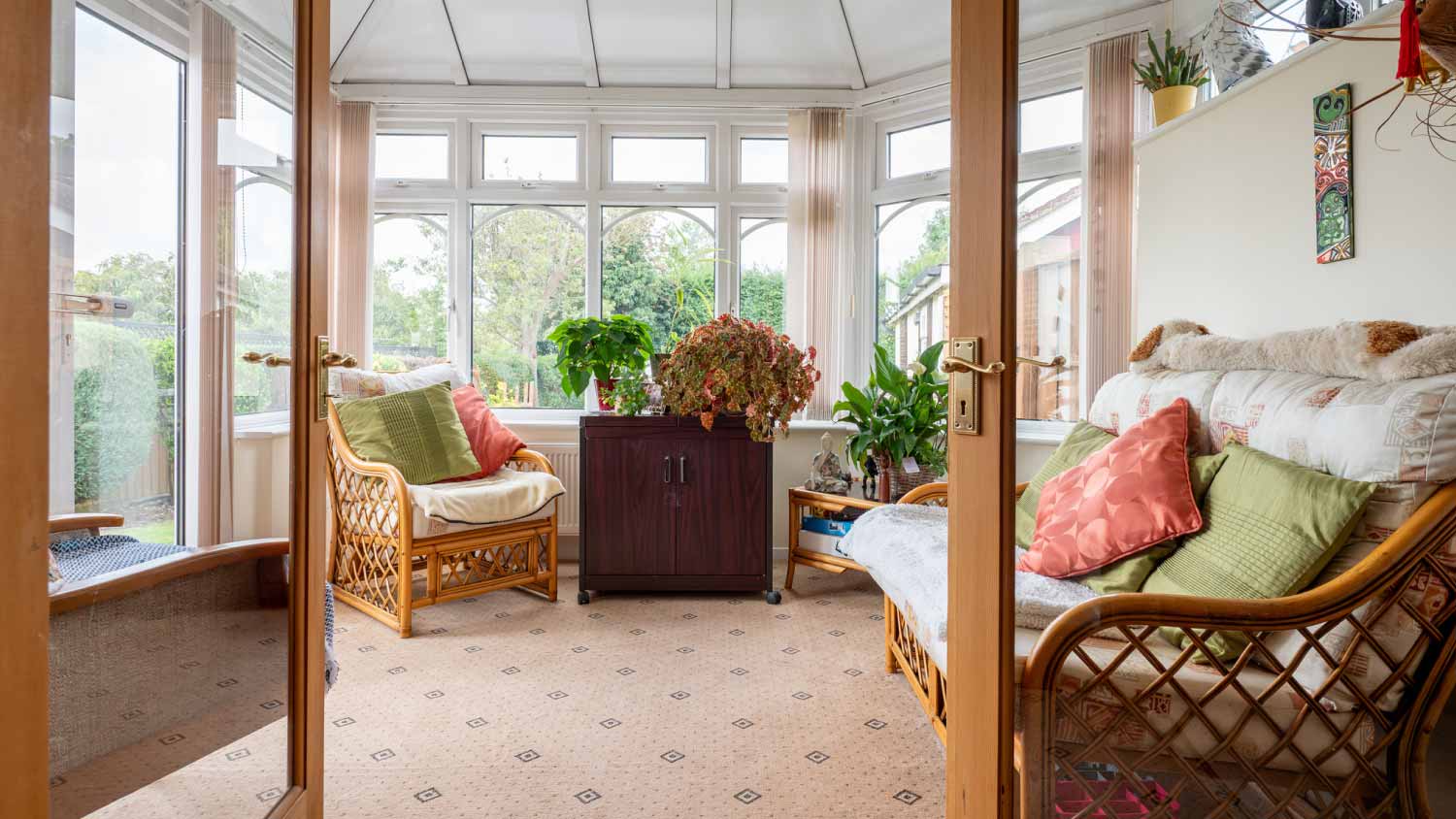
Love soaking up sun but can’t stand the bugs? Learn how much a Florida room addition costs and what factors influence the price to get the best of both worlds.

Need a little extra room for clothes storage in your home? Learn about the average cost to build a closet, some cost factors to consider, and more.
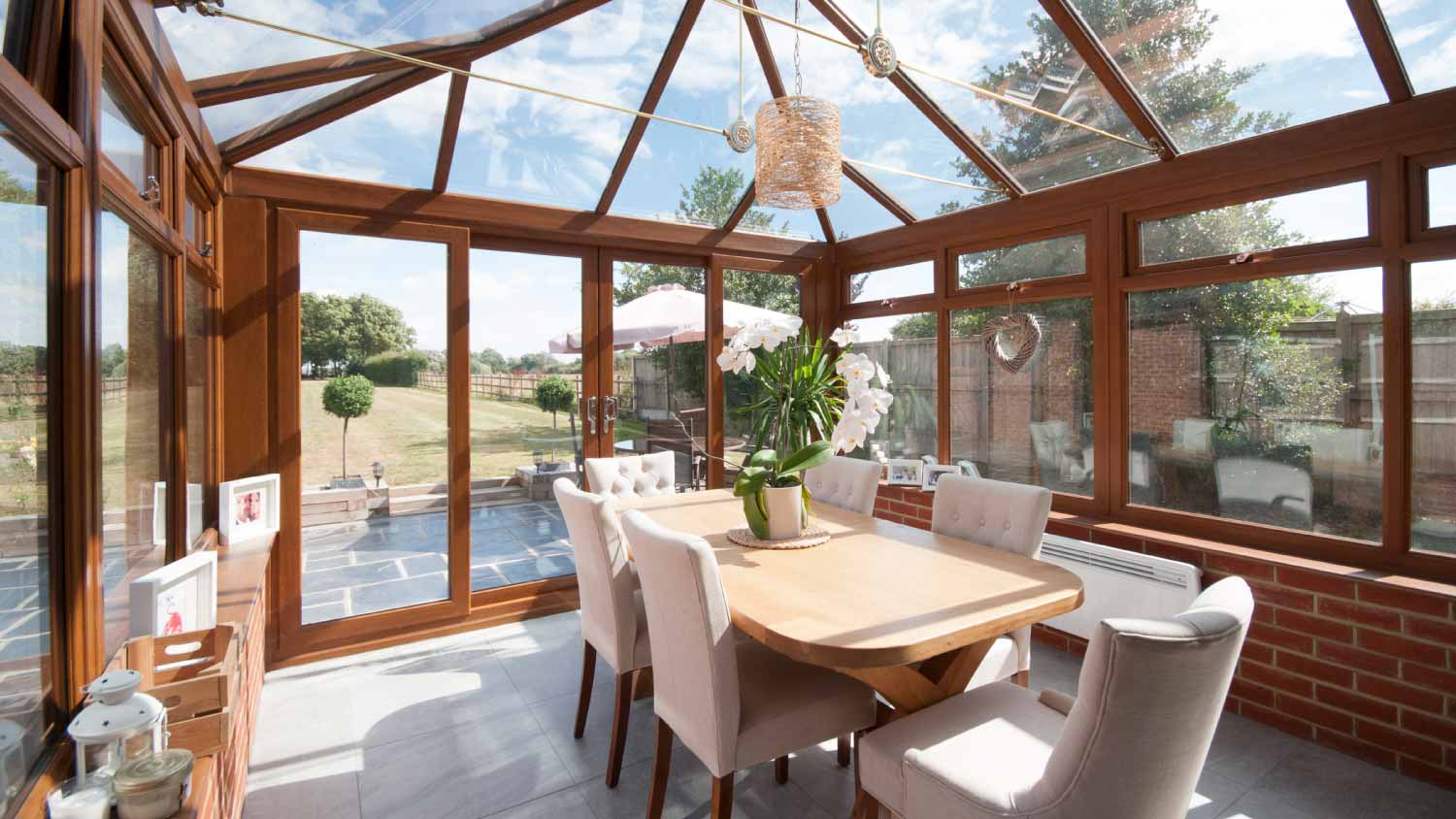
Our guide explores how much value a sunroom can add to your home and the factors that affect your return on investment.

Wondering how much a game room would cost to build? Get a detailed price breakdown, key cost factors, and tips to budget your dream game room remodel.
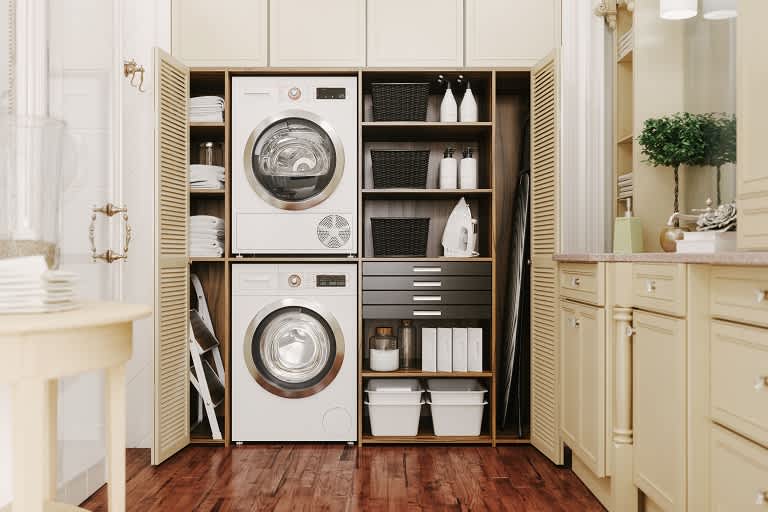
Building a laundry room addition to your home adds value and functionality. Your laundry room addition cost will depend on size, materials, and other factors.