

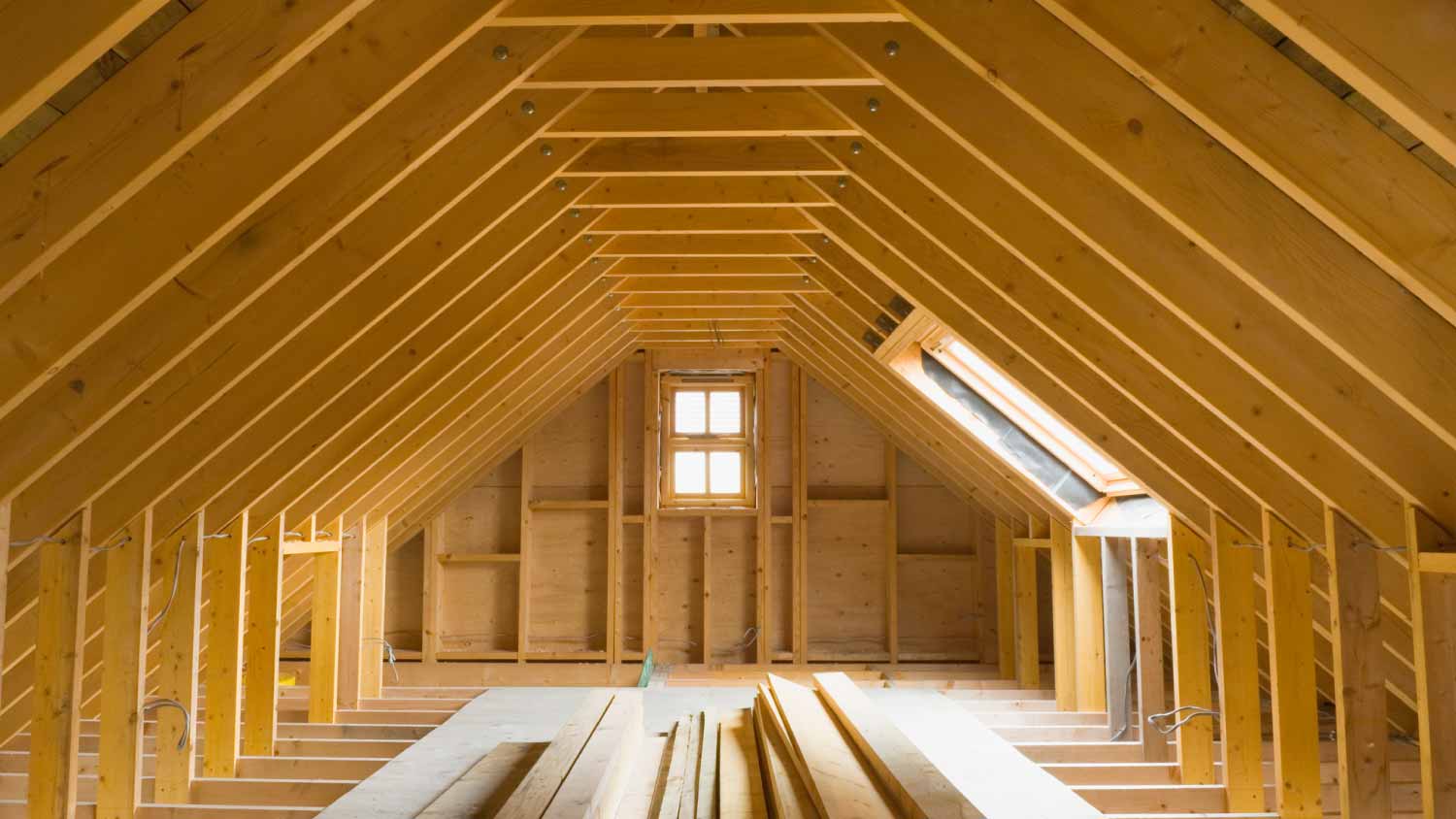
An attic inspection can confirm structural components, insulation, and home systems are all in order. Learn about attic inspection costs and what to know.
Kitchen and bathroom remodel costs depend on your project and location. Check with a local pro for your specific job.


Professional attic finishing costs range from $4,000 to $300,000, with most homeowners paying around $20,000 for your complete conversion project.
Your attic size and intended purpose determine your final total, with basic storage spaces costing far less than full living areas.
You should account for building permits, structural engineering assessments, pest control treatments, and interior demolition when creating your project budget.
Hiring a local home remodeling professional ensures your attic conversion meets building codes and saves you time navigating complex safety requirements.
In 2026, the national average cost to finish an attic is $20,000, though your total will depend on the type of space you're creating and the scope of work involved. Most projects fall between $7,500 and $35,000, with tasks like drywalling, insulation, and fan installation running $30 to $60 per square foot.
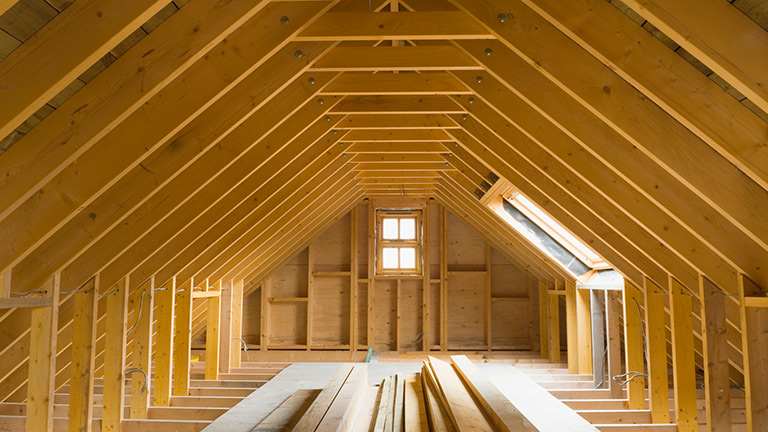
Finishing an attic costs $30 to $60 per square foot, including labor and materials, for an average of $7,500 to $35,000 for a standard-sized attic. A basic finish—installing drywall, utility flooring, and simple electrical components to create usable storage— runs around $30 per square foot. Transforming the space into a true living area with full amenities can push costs as high as $200 per square foot, depending on the scope of work and finishes you choose.
Attics can serve many purposes, from simple storage to a fully functioning attic living space, and the conversion type you choose will shape your total cost. Some expenses are unavoidable regardless of your goal—for example, you may need to pay the cost of building a staircase if your attic is currently only accessible via a hatch. Bedrooms also require an egress window with an area of at least 5.7 square feet to meet most building regulations.
The table below breaks down average attic finishing costs by conversion type:
| Attic Conversion Type | Average Cost in 2026 |
|---|---|
| Office | $10,000–$40,000 |
| Bedroom | $9,000–$65,000 |
| Bathroom | $9,800–$56,000 |
| Primary bedroom suite | $27,000–$80,000 |
| Storage space | $4,800–$22,000 |
| Walk-up attic | $6,600–$25,500 |
| Above-garage bonus room | $4,600–$24,000 |
| Dormer addition | $8,000–$30,000 |
| Loft conversion | $10,000–$75,000 |
For most attic finishing tasks, you'll want to hire a local remodeling contractor who specializes in attic conversion. General contractor fees typically represent 10% to 20% of the total project price, which works out to roughly $300 to $500 per day plus $150 to $250 per day for each additional laborer. A general contractor may perform or oversee tasks such as the following:
Drywalling: $2,100 on average
Subflooring installation: $3 to $10 per square foot
Painting: $2 to $6 per square foot
Floor joist repair: $6,000 on average
Adding dormer windows: $12,000 each
[For a home addition], we charge piece-by-piece for the project, then we add our profit and overhead. For example, lumber for the project, permits, demolition, electrical, plumbing, and drywall. I add them up and then add our profit and overhead. On smaller jobs, we work by the hour and then add the material on top of that.

Regardless of how you plan to use your finished attic, you'll almost certainly want electricity—even a basic storage space benefits from lighting if it lacks windows. Expect to pay $750 to $3,200 to hire an electrician for your attic finishing project. Common electrical tasks and their average costs include:
Installing new wiring: $600 to $2,200
Installing outlets: $300 each
Installing light fixtures: $500 each
Finishing your attic often means extending your home's HVAC system to keep the space comfortable year-round. An HVAC technician can handle a range of tasks to make that happen, including:
Adding ductwork: $1 to $3 per square foot
Attic insulation: $2,500 on average
Mini-split installation: $3,000 on average
Attic finishing costs vary widely because several factors—from demolition and permits to structural needs and plumbing—can shift your total. As you build your budget, it helps to understand which of these variables apply to your specific project. Reviewing each factor in advance gives you a clearer picture of what to expect before work begins.
Attic remodels typically involve interior demolition costs of $2 to $8 per square foot, which clears the space so you can start fresh with your design. Once demolition is complete, have the attic inspected for pests before any new work begins. Pest control costs $50 to $500 depending on the severity of the infestation.
Building permits are often required for attic finishing projects that involve converting the space to a living area, adding electrical or plumbing components, or installing new windows or fans. Permit costs range from $100 to $1,500 or more, depending on your local regulations and the scope of work planned. Contact your local building department early in the planning process to get accurate cost information for your specific project.
The cost to hire a structural engineer is $400 to $800, and that investment is often necessary for attic conversions involving unusual shapes, limited access, or plans to add height or extend the space. A local structural engineer will assess whether your home can safely support the additional load from building materials, fixtures, and furniture. If you're planning to build a staircase or make significant structural changes, getting an engineering assessment before construction begins can prevent costly surprises.
If your attic plans include a bathroom, expect to pay $1,000 to $10,000 for plumbing alone when you add a bathroom. Individual fixture costs vary considerably depending on what you're installing. Here are some common plumbing costs to factor into your budget:
Rough-in plumbing: $6,500
Installing a toilet: $400
Installing a sink: $450
Installing a shower: $8,000
Finishing an attic costs anywhere from $10,000 to $50,000 depending on the size and scope of the project, making professional oversight a worthwhile investment for most homeowners. While a basic DIY remodel can keep costs closer to $10,000, the project is lengthy, physically demanding, and potentially hazardous — especially when plumbing or electrical work is involved, which is often illegal to perform without a professional license. A local attic finishing pro will manage every stage safely and efficiently, including subcontracting licensed tradespeople to ensure all work meets code.
Finishing an attic requires coordinating multiple trade professionals and navigating a complex set of safety (and legality) precautions. Here’s why it’s best to leave this project to the pros:
An attic finishing contractor oversees all stages of construction, from drywall and insulation to painting and flooring.
Pros ensure your attic complies with building codes, especially for plumbing and electrical work.
Hiring pros saves time, ensures safety, and helps avoid costly mistakes or failed inspections.
If you’re in favor of rolling up your sleeves to save on labor costs, here are a few safer DIYs for an attic finishing project:
Installing drywall
Painting or wallpapering walls once construction is complete
Installing flooring or adding basic trim work
Cleaning and prepping the space for construction and/or handling post-construction cleanup.
When planning your attic finishing project, it helps to understand the difference between a remodel and a renovation, since each involves a different scope of work and a different cost level. A remodel changes the structure and function of the space—adding plumbing, electrical, HVAC, walls, windows, and flooring—while a renovation focuses on clearing out the attic, repairing damage, and improving its appearance. The path you choose will directly influence your total project cost. The table below compares both approaches side by side:
| Attic Remodel | Attic Renovation |
|---|---|
| Change attic structure and function | Clear out attic to enhance look |
| Add plumbing, electrical, HVAC, walls, windows, and flooring | Repair damage and remove pests |
| Costs are moderate to high | Costs are low to moderate |
In most cases, finishing an attic is an investment in your home that can raise its value by at least 50%. Attic conversions can also increase the square footage of your home and the number of bedrooms or bathrooms.
Provide your attic finishing pro with your attic’s dimensions, ceiling height, and access points to help the contractor plan the layout.
Ask about necessary permits and building code requirements, especially for egress windows or dormer additions.
Review your budget and prioritize features like bathrooms, insulation, or built-in storage to stay within your price range.
Home is the most important place on earth, which is why Angi has helped more than 150 million homeowners transform their houses into homes they adore. To help homeowners with their next project, Angi provides readers with the most accurate cost data and upholds strict editorial standards. We extensively research project costs to develop the pricing data you see, so you can make the best decisions for you and your home. We rely on reputable sources, including the U.S. Bureau of Labor Statistics, academic journals, market studies, and interviews with industry experts—all to ensure our prices reflect real-world projects.
Want to help us improve our cost data? Send us a recent project quote to [email protected]. Quotes and personal information will not be shared publicly.
Jason has helped me with multiple household projects, with the most recent being new door installation. He has always showed up on time and organized and has done an incredible job! Jason is very professional and he's now my go-to for anything around my house that needs to be fixed or...
 Huff Garage Rescue, LLC
Cole has been handling plumbing and general contracting for our four properties over the past three years, and he’s always done a great job. Most recently, he installed a sink and countertop in our retail store where none existed before, and it turned out exactly how we needed. He’s...
 ANB Renovations LLC
1st Choice Renew is simply the best! We hired them for a complete home renovation, and they transformed our space into something truly amazing. The team attention to detail and commitment to quality were evident throughout the project. They were easy to work with, very responsive, and always...
 Save A Dime
This company went above and beyond with their work, chimney sweeps are usually pretty messy, but the clean up was spot on.!! Josh explained every thing that he was doing, and the things that he was checking to make sure the chimney was safe for me and my family. He was very professional,...
 Supreme brick & chimney
Custom Paint Jobs LLC turned our outdated bathroom into a modern masterpiece.
 Custom Paint Jobs, LLC
Excellent customer service and knowledge. I was recommend to him from my neighbour. My front door and window came in great and were installed beautifully perfectly, I m very satisfied with their excellent work, so decided to order one more big bow window for my living room. I cant wait for...
 Window Depot USA of Central Ohio
If I could give 10 stars for Kitchen Tune Up, I would. I cannot say enough good things about my experience with Kitchen Tune Up and the entire team involved in the process of my kitchen project. They went above and beyond as far as service and quality with my cabinets, paint, countertops, and...
It was wonderful working with Yordy and his team. They were very professional and are experts in what they do. They have completed the work on time, with better quality and with in fairly reasonable price. We just started with backsplash work , but liking his work, we went on to provide...
 Flooring Solutions
We were having 2”x 2” tile installed . There was a small installation error and the new additional replacement tile was from a different lot and the colors didn’t match. Joe assured us that he would rectify everything , which he did without hesitation. We decided to go with the 18” x 36” tile...
 CarifaTile
They work that 360 did on my kitchen cabinets is nothing short of amazing. I still cannot believe the difference from before and after. Jon and Jeff were both so incredibly professional throughout the whole process and their communications with me were constant and consistent. These guys...
 360 Painting Columbus
From average costs to expert advice, get all the answers you need to get your job done.
An attic inspection can confirm structural components, insulation, and home systems are all in order. Learn about attic inspection costs and what to know.
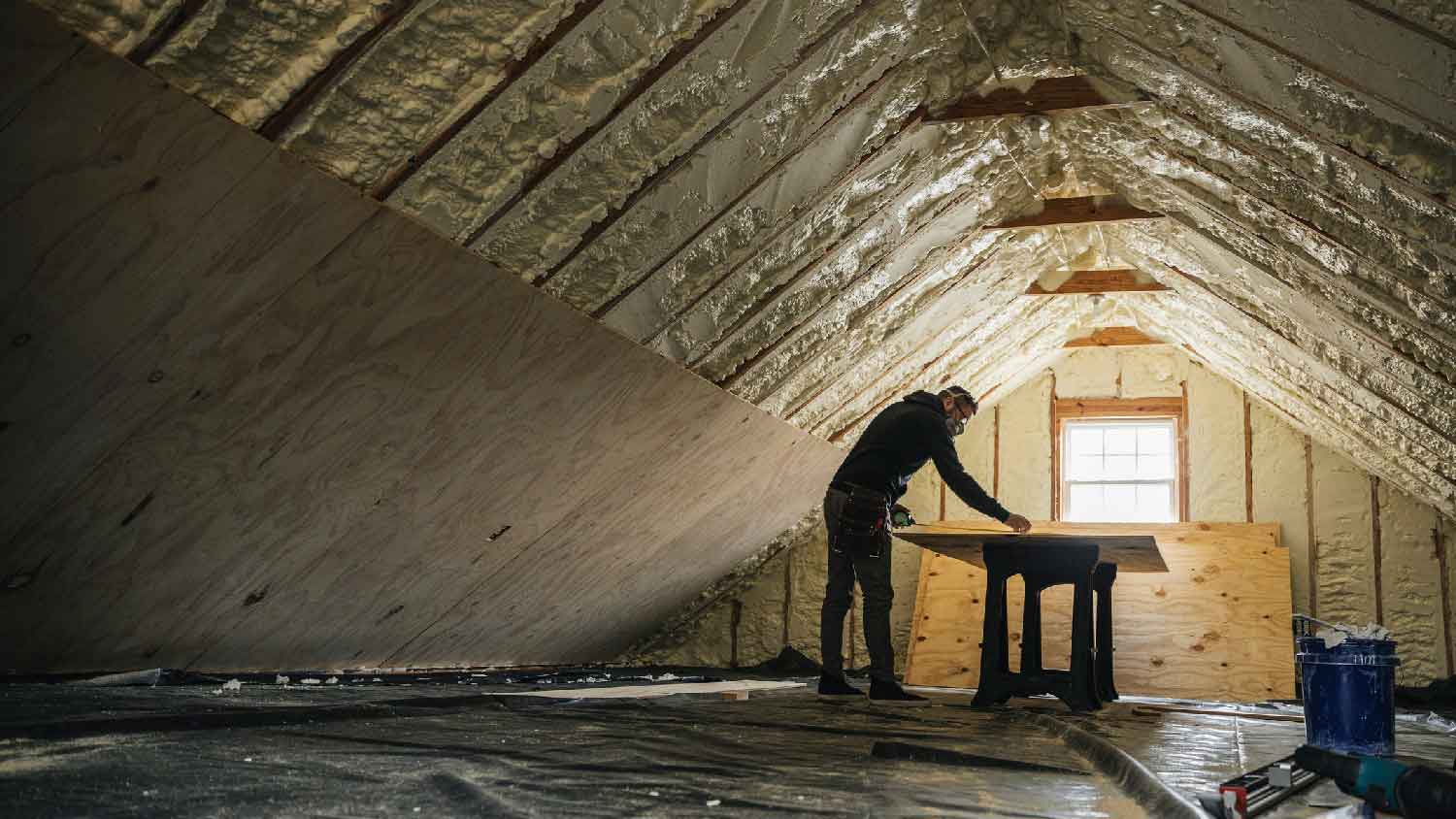
Your attic insulation removal cost will vary based on multiple factors, including why you're removing it and how easy it is to complete the task.
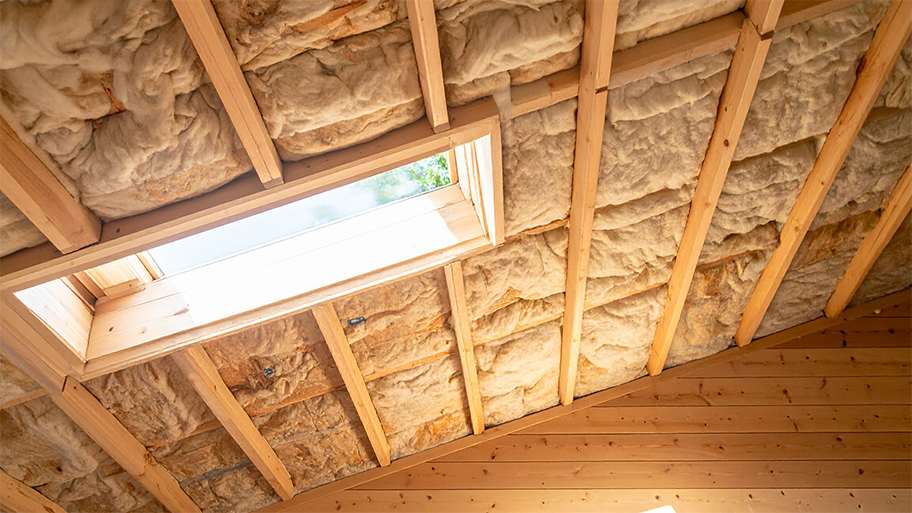
Insulating your attic can massively improve your home’s efficiency and reduce electric bills. Use this guide to find out what attic insulation will cost you.

Finishing an attic can provide more living space in your home. Here's what you need to know before taking on this popular remodeling project.
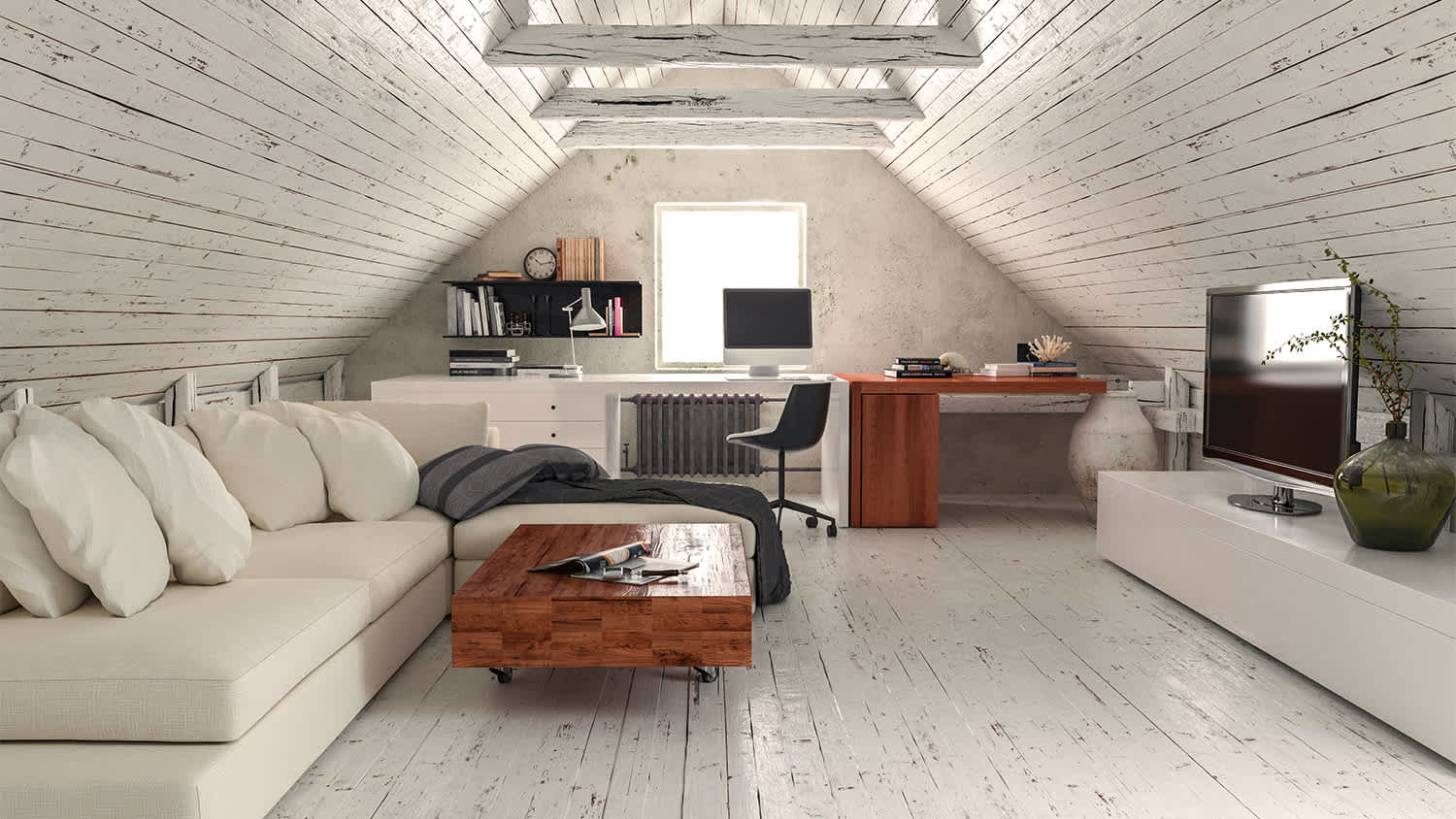
Learn how to hire a qualified attic renovation contractor. Find tips on vetting pros, questions to ask, and what to expect for your attic project.
Discover who to hire for attic renovation, which pros to call, and how the process works. Start your project with confidence.