

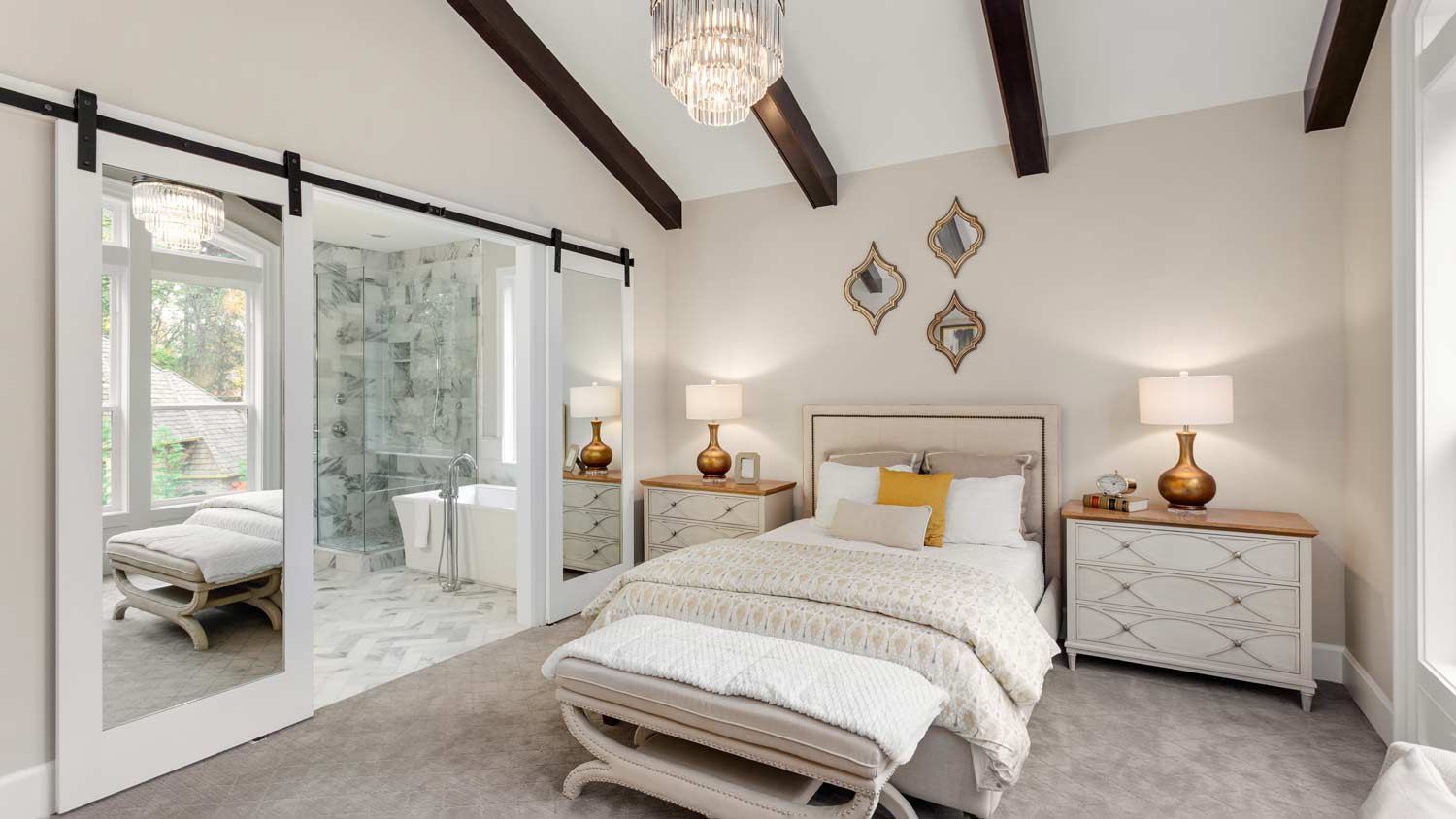
A bedroom remodel costs a significant amount but considering it’s often the most used room in the house, it can be a great investment. Learn where you can save money and increase your home’s value.
Kitchen and bathroom remodel costs depend on your project and location. Check with a local pro for your specific job.

Primary bedroom and bathroom additions range from $22,500 to $150,000 depending on your room size and materials.
The type of bathroom you choose and the finishes you select will determine your final costs for the addition project.
You should budget for demolition and prep plus building permits, which add $900 and vary by municipality.
Hiring a local home addition professional ensures your primary suite is built right and supports a 60% return on investment.
In 2026, the national average cost to add a bedroom and bathroom is $103,300. Most homeowners spend between $37,500 and $117,000, with final costs driven by room size, materials, and the type of bathroom you choose.
Bathrooms cost significantly more to build than bedrooms, so the cost to add a bathroom will consume the largest share of your project budget. The type of bathroom you choose is the primary driver of that cost, with options ranging from a basic powder room ($5,000 on average) to a full luxury bath ($15,000 to $30,000+). A more elaborate bathroom delivers a higher-end experience and can strengthen your home's resale appeal.
Here is how costs break down by bathroom type:
Powder room addition: $5,000
Half bathroom addition: $7,500
Full bathroom addition: $10,000
Luxury bathroom addition: $15,000–$30,000+
A bedroom and bathroom addition costs an average of $160 per square foot, with rates ranging from $80 to $220 per square foot depending on the features, finishes, and materials you select. A primary bedroom typically ranges from 200 to 400 square feet, while the bathroom can add another 50 to 200 square feet. Larger additions drive up both material and labor costs considerably.
The table below breaks down estimated bedroom and bathroom addition costs by total square footage:
| Total Size (Square Feet) | Average Cost in 2026 |
|---|---|
| 250 | $20,000–$55,000 |
| 300 | $24,000–$66,000 |
| 400 | $32,000–$88,000 |
| 460 | $36,800–$101,200 |
| 560 | $44,800–$123,200 |
| 600 | $48,000–$132,000 |
A general contractor manages your primary suite addition from start to finish—planning the build, hiring subcontractors, pulling permits, and ordering materials—and charges 10% to 25% of the overall budget, or $10,330 to $25,825 on average. Their coordination role covers a wide range of tasks that would otherwise fall on you to manage separately. Hiring a general contractor is especially valuable on a project this complex, where scheduling and sequencing mistakes can be costly.
Here are some common cost breakdowns when adding a bedroom or bathroom:
Hanging drywall: $2,100
Installing interior doors: $800 each
Installing windows: $1,200 each
Laying flooring: $3,200
Building a closet: $2,000
The cost to hire an electrician for a bedroom and bathroom addition runs $50 to $130 per hour. An electrician is essential for bringing power to your new rooms, covering everything from lighting to outlets for appliances and devices. The total cost will depend on how many circuits, outlets, and fixtures your addition requires. Here is how electrical costs might break down when adding a bedroom or bathroom:
Adding new electrical circuits: $700 each
Installing outlets: $300 each
Adding light fixtures: $500 each
Installing a ceiling fan: $250
Hiring a plumber costs $45 to $200 per hour, and plumbing work will make up a large portion of your overall addition budget. Adding a bathroom means running supply and drain lines for multiple fixtures, each with its own labor and material costs. The more fixtures your bathroom includes, the higher your plumbing costs will be. Here are some expected plumber costs when adding a bedroom and bathroom:
Rough-in plumbing for a bathroom: $6,500
Installing a toilet: $400
Installing a sink: $450
Installing a shower: $8,100
In addition to hiring a general contractor, an electrician, and a plumber, you may need to bring on the following experts to build a bedroom and a bathroom.
Architect: Fees for an architect will make up 1% to 8% of your total budget. An architect will help you plan your space and draw up those plans for your contractors, ensuring that the new bedroom and bathroom fit the flow of your home.
Structural Engineer: Fees for a structural engineer will make up anywhere from 1% to 10% of your total project budget. Their role is to ensure that your room addition is stable and structurally sound.
Interior Designer: The cost to hire an interior designer ranges from $2,100 to $14,700. You may opt to hire a designer to put the finishing touches on your primary suite, including permanent features, furnishings, colors, and décor.
The cost to add a bedroom and bathroom varies meaningfully by state, driven by differences in labor rates, material costs, and local permitting requirements. Costs in your area may fall well above or below the national average, depending on where you live. The table below shows average addition costs across a range of states to help you gauge what to expect near you:
| Location | Average Cost in 2026 |
|---|---|
| Alabama | $46,540 |
| California | $61,100 |
| Iowa | $84,200 |
| Kansas | $38,600 |
| Michigan | $75,100 |
| New York | $90,000 |
| Texas | $48,200 |
| Virginia | $52,300 |
Beyond professional labor, several additional cost factors can affect your total budget for a primary bedroom and bathroom addition. Planning for these expenses upfront helps you avoid surprises once the project is underway.
Demolition and prep for a bedroom and bathroom addition costs between $1.30 and $2 per square foot, covering the clearing of landscaping features before construction can begin. This step is required before any framing, foundation work, or utility installation can take place. Factoring this cost into your budget early prevents unexpected overruns once the project kicks off.
Building permits are required for any residential construction project, and a bedroom and bathroom addition is no exception, with an average permit cost of $900. The exact amount you pay will vary by municipality, so check with your local building department early in the planning process. Pulling permits ensures your addition is inspected and built to code, which protects both your investment and your ability to sell the home later.
Materials for a primary bedroom and bathroom addition span a wide range of items—from lumber, concrete, and siding to drywall, flooring, doors, windows, and electrical and plumbing equipment—and cost between $10,000 to $100,000, or $40,000 on average. The finishes and products you select will have the greatest impact on where your material costs land within that range. Choosing mid-range materials is a practical way to manage costs without sacrificing quality or durability.
Adding a new bedroom and bath to your home is an exciting prospect. However, DIYers shouldn't tackle a project this large and complex, as even one small mistake can lead to serious problems down the road. For the best results, hire a home addition contractor near you who can produce professional results for a long-lasting build.
Here are the benefits when you hire a home addition contractor for the job:
Your contractor will complete several tasks that a homeowner cannot safely take on, including pouring a foundation, framing new rooms, running utilities, and more.
A pro will handle the permitting process and ensure that everything is built in accordance with local building code.
They will coordinate with the professionals who will participate in the project, including plumbers and electricians, and potentially an architect or structural engineer.
You'll receive expert advice during the planning and design stages, allowing you to maximize your budget.
You won't have to worry about making common DIY mistakes like not letting the foundation cure properly or making errors during electrical or plumbing work that will prevent you from passing inspections.
While you should leave the vast majority of the work to the pros, there are some simpler aspects of the project that you could potentially tackle as a DIYer:
Installing the flooring, cabinets, and light fixtures
Putting up the drywall and painting the walls
Customizing your closet with built-in shelving
Adding accessories like shower grab bars and towel racks
[For a home addition], we charge piece-by-piece for the project, then we add our profit and overhead. For example, lumber for the project, permits, demolition, electrical, plumbing, and drywall. I add them up and then add our profit and overhead. On smaller jobs, we work by the hour and then add the material on top of that.

When it comes to a large-scale project like a bedroom and bathroom addition, the terms remodel, renovation, and expansion each have different meanings. Before you talk to any pros, familiarize yourself with the definitions.
A remodel is focused on transforming an existing space via changes to its layout or function. In a primary suite, this can include relocating plumbing, bumping out the square footage, adding or expanding a closet, and replacing cabinets, floors, and countertops.
A remodel is focused on making a room look new via simpler projects that homeowners can often DIY. This can include refreshing paint jobs, refinishing cabinets, replacing plumbing hardware, and adding new furnishings.
An addition involves adding a completely new primary bedroom where there wasn't one previously. This is a highly involved project that requires pouring a new foundation, building out new framing and support structures, new siding, roofing, and walls, and running utilities like plumbing and electrical wiring.
| Primary Suite Remodel | Primary Suite Renovation | Primary Suite Addition |
|---|---|---|
| Change bedroom or bathroom layout | Restore space to look new | Add rooms to increase a home's square footage |
| Significant updates to look and functionality without structural changes | Layout stays the same, with focus on repairs and replacements | Requires several pros to accomplish different tasks |
| Costs are moderate | Costs are low | Costs are high |
Primary bedroom and bathroom home addition costs vary widely according to the scope of the project, so there's lots of room to save if you're trying to stay on or below a budget. Consider these tips:
DIY some tasks: You may not be able to do more complex construction tasks, but simpler jobs like laying flooring, hanging drywall, and painting may be areas where you can save on labor.
Choose more affordable materials: Lower-cost but quality material options can help you save. For example, opt for carpeting over hardwood flooring, choose budget-friendly plumbing fixtures, and thrift to find unique furnishings.
Limit your square footage: On average, a primary bedroom suite costs $160 per square foot, so building a smaller space can save you thousands. Build only enough space to meet your needs.
Get multiple quotes: Talk to more than one contractor so you can compare quotes and assess their qualifications. The right contractor will be one that is transparent and listens to your goals.
Adding a bedroom and bathroom significantly increases a home's value. Building a primary bedroom suite offers a 60% return on investment (ROI), so you'll recoup more than half the cost of your project when you sell your home. Additional living area not only helps a home sell faster in the future, but it makes the home more comfortable and functional while you still live there.
Let your home addition pro know your goals, including the size of the new bedroom and the type of bathroom you want.
Communicate with your contractor to ensure the project aligns with your goals for your new bedroom and bathroom while staying within your budget.
Have some reference photos available so your pro can see what you’re envisioning for the layout and details for your new rooms.
Determine if demolition work will be necessary for your new home addition, and how long water and electrical services will be shut off.
Home is the most important place on earth, which is why Angi has helped more than 150 million homeowners transform their houses into homes they adore. To help homeowners with their next project, Angi provides readers with the most accurate cost data and upholds strict editorial standards. We extensively research project costs to develop the pricing data you see, so you can make the best decisions for you and your home. We rely on reputable sources, including the U.S. Bureau of Labor Statistics, academic journals, market studies, and interviews with industry experts—all to ensure our prices reflect real-world projects.
Want to help us improve our cost data? Send us a recent project quote to [email protected]. Quotes and personal information will not be shared publicly.
Jason has helped me with multiple household projects, with the most recent being new door installation. He has always showed up on time and organized and has done an incredible job! Jason is very professional and he's now my go-to for anything around my house that needs to be fixed or...
 Huff Garage Rescue, LLC
Cole has been handling plumbing and general contracting for our four properties over the past three years, and he’s always done a great job. Most recently, he installed a sink and countertop in our retail store where none existed before, and it turned out exactly how we needed. He’s...
 ANB Renovations LLC
1st Choice Renew is simply the best! We hired them for a complete home renovation, and they transformed our space into something truly amazing. The team attention to detail and commitment to quality were evident throughout the project. They were easy to work with, very responsive, and always...
 Save A Dime
This company went above and beyond with their work, chimney sweeps are usually pretty messy, but the clean up was spot on.!! Josh explained every thing that he was doing, and the things that he was checking to make sure the chimney was safe for me and my family. He was very professional,...
 Supreme brick & chimney
Custom Paint Jobs LLC turned our outdated bathroom into a modern masterpiece.
 Custom Paint Jobs, LLC
Excellent customer service and knowledge. I was recommend to him from my neighbour. My front door and window came in great and were installed beautifully perfectly, I m very satisfied with their excellent work, so decided to order one more big bow window for my living room. I cant wait for...
 Window Depot USA of Central Ohio
If I could give 10 stars for Kitchen Tune Up, I would. I cannot say enough good things about my experience with Kitchen Tune Up and the entire team involved in the process of my kitchen project. They went above and beyond as far as service and quality with my cabinets, paint, countertops, and...
It was wonderful working with Yordy and his team. They were very professional and are experts in what they do. They have completed the work on time, with better quality and with in fairly reasonable price. We just started with backsplash work , but liking his work, we went on to provide...
 Flooring Solutions
We were having 2”x 2” tile installed . There was a small installation error and the new additional replacement tile was from a different lot and the colors didn’t match. Joe assured us that he would rectify everything , which he did without hesitation. We decided to go with the 18” x 36” tile...
 CarifaTile
They work that 360 did on my kitchen cabinets is nothing short of amazing. I still cannot believe the difference from before and after. Jon and Jeff were both so incredibly professional throughout the whole process and their communications with me were constant and consistent. These guys...
 360 Painting Columbus
From average costs to expert advice, get all the answers you need to get your job done.
A bedroom remodel costs a significant amount but considering it’s often the most used room in the house, it can be a great investment. Learn where you can save money and increase your home’s value.
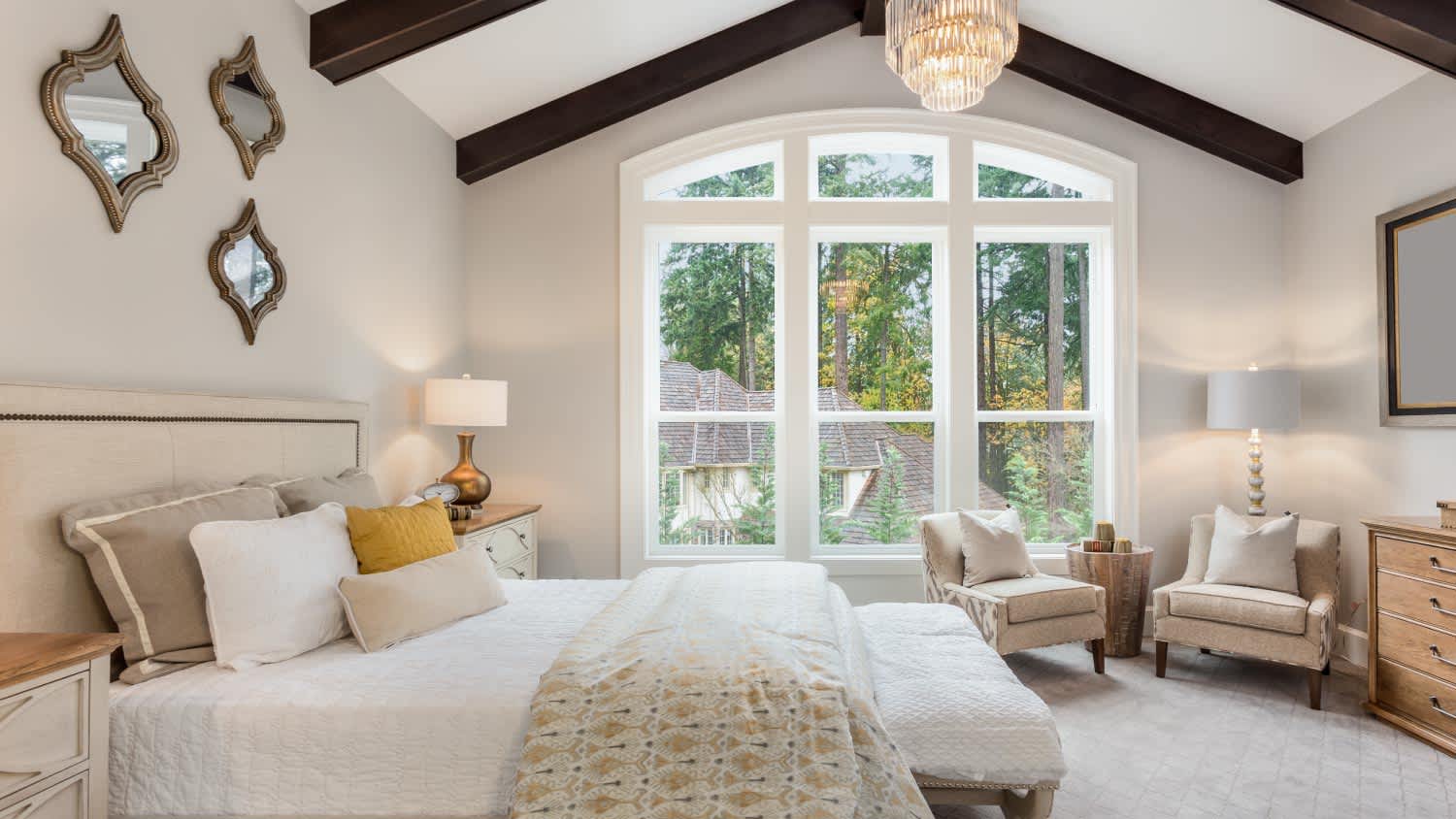
Discover average bedroom addition costs, including cost factors, labor rates, and tips to help you budget for your new bedroom addition project.
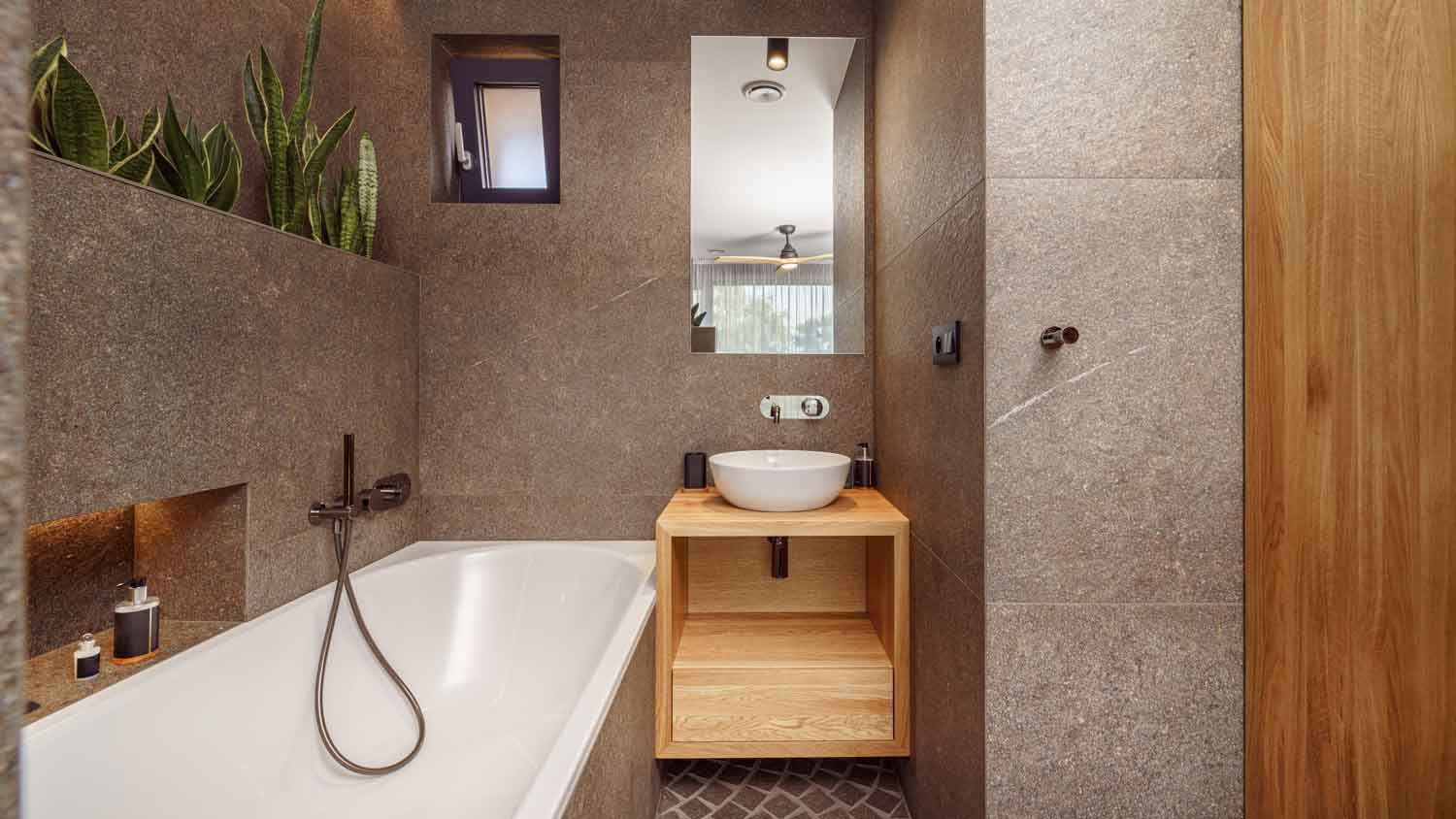
Small bathroom remodel costs depend on a number of factors—like what exactly you’re upgrading and the size of the room. This guide will help you budget.
Bedroom dimensions can help you decide how best to use the space. Learn about average bedroom sizes and what factors can affect them.
Planning a bedroom remodel? Learn about average bedroom remodel costs, urgent warning signs, and how to hire the right local remodeling contractor.
Need bedroom layout ideas? Get bedroom setup designs, furnishing tips, arrangement strategies, and more to create a dreamy space in your home.