

One of the best ways to expand your home is to build up. Let’s break down the cost to add a second story in Los Angeles, CA.
Interior design and decorating costs depend on your project and location. Check with a local pro for your specific job.


Bedroom additions cost $20,000 to $130,000 on average, with prices ranging from $10,000 to $280,000 depending on your project size and finishes.
Your bedroom size and the complexity of your layout determine how much material and labor your addition project requires.
Budget for demolition and site prep work if you need to remove an existing structure like a porch or deck before construction begins.
Hiring a local home addition professional ensures your bedroom project is done well and boosts the overall home value.
This article was created using automation technology and thoroughly fact-checked and edited by an Angi Editor in accordance with our AI policy.
In 2026, the national average cost for a bedroom addition is $50,000, with most homeowners spending between $20,000 and $130,000. Project costs often range from $100 to $500 per square foot, depending on the size of the addition, your choice of finishes, and the complexity of the layout. Labor alone accounts for 40% to 60% of the total, so deciding how much work to take on yourself versus hiring a pro can make a real difference in your final bill.
A bedroom addition covers far more than walls and a roof—your total cost includes materials, labor, design fees, permits, site preparation, and HVAC connections. The final price depends on the scope and complexity of your specific project. Getting a detailed estimate from a licensed contractor upfront helps you account for every line item before construction begins.

Construction expenses—including framing, roofing, insulation, drywall, and flooring—account for the largest share of your budget. Essential mechanical systems like HVAC and electrical further increase costs, particularly if you are expanding the footprint or upgrading capacity. While custom features, accessibility modifications, and high-efficiency upgrades drive up total expenses, sticking to standard floor plans and builder-grade finishes helps keep your project on budget.
The following table breaks down average bedroom addition costs by component:
| Component | Average Cost in 2026 |
|---|---|
| Framing and drywall | $16–$60 per sq. ft. |
| Roofing | $2–$6 per sq. ft. |
| Insulation | $1–$7.50 per sq. ft. |
| Flooring | $3–$20 per sq. ft. |
| Windows and doors | $350–$1,500 each |
| Electrical | $3–$10 per sq. ft. |
| HVAC | $35–$55 per linear ft. |
Bedroom size is one of the biggest factors in your total addition cost, with prices ranging from $100 to $500 per square foot. Larger spaces require more materials and labor and may also need additional structural support or utility upgrades. Custom or oversized bedrooms with luxury finishes or en suite bathrooms will push costs toward the higher end of that range. The following table breaks down average bedroom addition costs by size:
| Bedroom Size (Sq. Ft.) | Average Cost in 2026 |
|---|---|
| 100–150 | $10,000–$75,000 |
| 150–250 | $15,000–$125,000 |
| 250–400+ | $25,000–$200,000 |
Labor accounts for 40% to 60% of your total bedroom addition cost, making it the single largest expense category. Several specialized professionals are involved in a bedroom addition, each handling a distinct part of the build:
General contractor: Oversees the entire project, coordinates trades, and manages schedules. Fees range from 10% to 20% of the total project cost.
Architect: Creates plans, ensures code compliance, and helps with permits. Design fees range from $4 to $12 per square foot, or $100 to $250 per hour, depending on complexity.
Electrician: Handles all wiring, outlets, lighting, and code compliance. Expect to pay $50 to $130 per hour for electrical work.
Labor rates vary by region and demand. It's best to hire a general contractor for complex additions, but you may only need an electrician or designer for smaller or simpler builds. To save on pro costs, request multiple bids and consider handling some finishing tasks yourself.
Depending on your project's needs, you may also need to hire:
Plumber: If you're adding a bathroom or sink, plumbing installation can cost $45 to $200 per hour.
Structural engineer: For major changes to load-bearing walls or foundations, expect to pay $70 to $250 per hour for an assessment.
Interior designer: For help with space planning and finishes, a designer's fees range from $100 to $500 per hour.
Landscaper: Restoring the exterior after construction can cost $50 to $100 per hour, depending on the extent of work.
Each of these pros is necessary when your bedroom addition involves their area of expertise, such as moving plumbing, reconfiguring HVAC, or making major structural changes.
[For a home addition], we charge piece-by-piece for the project, then we add our profit and overhead. For example, lumber for the project, permits, demolition, electrical, plumbing, and drywall. I add them up and then add our profit and overhead. On smaller jobs, we work by the hour and then add the material on top of that.

Geographic location affects what you'll pay for a bedroom addition, with urban areas and high-cost regions like the Northeast and the West Coast having the highest labor and material costs. The Midwest and South typically see lower averages. Local building codes and permit fees add another layer of cost that varies widely by city and county. Always check your local regulations before finalizing your budget so you're not caught off guard by inspection requirements or fees.
Bedroom addition projects often entail costs beyond construction and finishes, which can catch homeowners off guard if not planned for in advance. Taxes, local fees, and upgraded homeowners insurance premiums can all add to your final bill. Special features like built-in storage, smart home technology, energy-efficient upgrades, or ADA accessibility improvements will also push costs higher. Repairs to existing structures uncovered during construction and post-construction cleanup should also be factored into your budget from the start.
If your project requires demolishing an existing structure—like a porch, deck, or garage—demolition and site preparation can cost $1,000 to $5,000, depending on the size and complexity of the work. Removing debris, grading the lot, and preparing the foundation all contribute to prep expenses. Always confirm whether demolition is included in your contractor's estimate to avoid surprises on your final bill.
Bedroom additions almost always require multiple permits—including building, electrical, plumbing, and zoning approvals—and permit costs range from $250 to $2,000 based on your location and project scope. Your contractor often handles permitting, but homeowners are ultimately responsible for ensuring all paperwork is in order. Skipping permits can lead to fines, work stoppages, or complications when selling your home in the future.
DIY bedroom additions cost less in direct labor, but materials alone can run $10,000 to $30,000 for a small addition, and you'll still need to budget for equipment rentals and potential corrections if work doesn't pass inspection. This approach requires advanced skills, significant time, and specialized tools that most homeowners don't already own. A full DIY build carries real risks—code violations, safety hazards, and insurance complications—that can offset the savings. Partial DIY tasks, such as painting or installing flooring, can reduce costs without putting the structural work at risk.
Remodeling means physically expanding your home with new construction, while renovating updates or improves an existing bedroom, and the cost difference between the two is significant. Renovating a bedroom costs $3,000 to $10,000, depending on the scope of work, which may include new finishes, better insulation, or added storage. Building a new bedroom addition ranges from $20,000 to $130,000 on average, reflecting the added complexity of permits, structural changes, and new construction. Consider your goals, the disruption to your household, and the potential ROI when deciding which path makes more sense for your home.
Consider these cost-saving strategies to make your bedroom addition project more budget-friendly:
Choose standard sizes and layouts to minimize custom work.
Source mid-range materials for finishes and flooring.
Get multiple quotes from licensed local home addition contractors to compare rates.
Complete some finishing work (painting, trim) yourself.
Plan for future upgrades instead of all at once.
Avoid moving major systems (plumbing, HVAC) if possible.
Consider prefab or modular bedroom addition options.
Schedule construction during off-peak seasons for better rates.
Adding a bedroom often increases your home’s resale value and appeal, especially in markets where extra bedrooms are in demand. Homeowners can see a return on investment (ROI) of 50% to 75%, depending on local market conditions and the quality of work.
Other factors that influence added value include location, the number of bedrooms, and the overall quality and design of the addition. A well-designed bedroom addition enhances functionality and makes your property more attractive to buyers. To maximize ROI, focus on a design that fits your home, secure all necessary permits, and consider energy-efficient upgrades and curb appeal improvements.
Home is the most important place on earth, which is why Angi has helped more than 150 million homeowners transform their houses into homes they adore. To help homeowners with their next project, Angi provides readers with the most accurate cost data and upholds strict editorial standards. We extensively research project costs to develop the pricing data you see, so you can make the best decisions for you and your home. We rely on reputable sources, including the U.S. Bureau of Labor Statistics, academic journals, market studies, and interviews with industry experts—all to ensure our prices reflect real-world projects.
Want to help us improve our cost data? Send us a recent project quote to [email protected]. Quotes and personal information will not be shared publicly.
Great job! Friendly, timely and thorough.
 Eco Plumbers, Electricians, and HVAC Technicians
Supreme Brick & Chimney did a great job with a cleaning and inspection of the fireplace! He was efficient, on time, and very pleasant. The space was kept very clean, and the fireplace was spotless when he was done. He also performed a thorough inspection, and did a great job talking us...
 Supreme brick & chimney
Custom Paint Jobs LLC is the go-to choice for all your painting needs. They painted both the interior and exterior of my house flawlessly. Their work speaks for itself!
 Custom Paint Jobs, LLC
They were very helpful with design, very quick to respond, good quality work, and competitive pricing!
 Cooks Cabinets
On time, clean and finished fast. Windows seem sturdy and the finish is good. Caulking was done with no smudges. Would recommend.
 Window Depot USA of Central Ohio
If I could give 10 stars for Kitchen Tune Up, I would. I cannot say enough good things about my experience with Kitchen Tune Up and the entire team involved in the process of my kitchen project. They went above and beyond as far as service and quality with my cabinets, paint, countertops, and...
Beginning with the estimate, Larry and Peyton were super helpful in getting my new condo's interior re-painted. Not only was the job well done, but also done in a super timely manner as promised.
 Five Star Painting of Plain City and Powell
Great job...edging and pre clean up went well with a great job with seal coat. Friendly, efficient and professional.
 All Star Paving and Sealing
We were having 2”x 2” tile installed . There was a small installation error and the new additional replacement tile was from a different lot and the colors didn’t match. Joe assured us that he would rectify everything , which he did without hesitation. We decided to go with the 18” x 36” tile...
 CarifaTile
We live in a condo and had space to add a tall cabinet. The problem was the space was already occupied by our catsâ litter box. We needed to still keep the litter box in that same corner. Beiler Custom Cabinets was able to work with our need and design request. What was created was an...
 Beiler Custom Cabinets, LTD
From average costs to expert advice, get all the answers you need to get your job done.
One of the best ways to expand your home is to build up. Let’s break down the cost to add a second story in Los Angeles, CA.
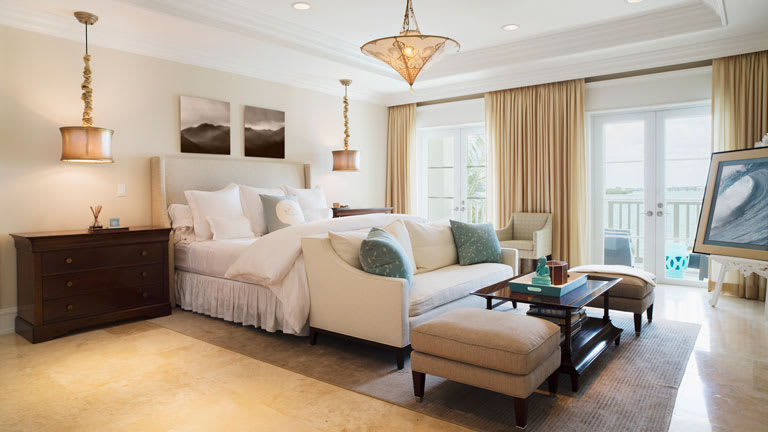
The cost to add a bedroom and bathroom can pay off with an increase in your home’s value and more space for you and your family. Costs vary by project scope.
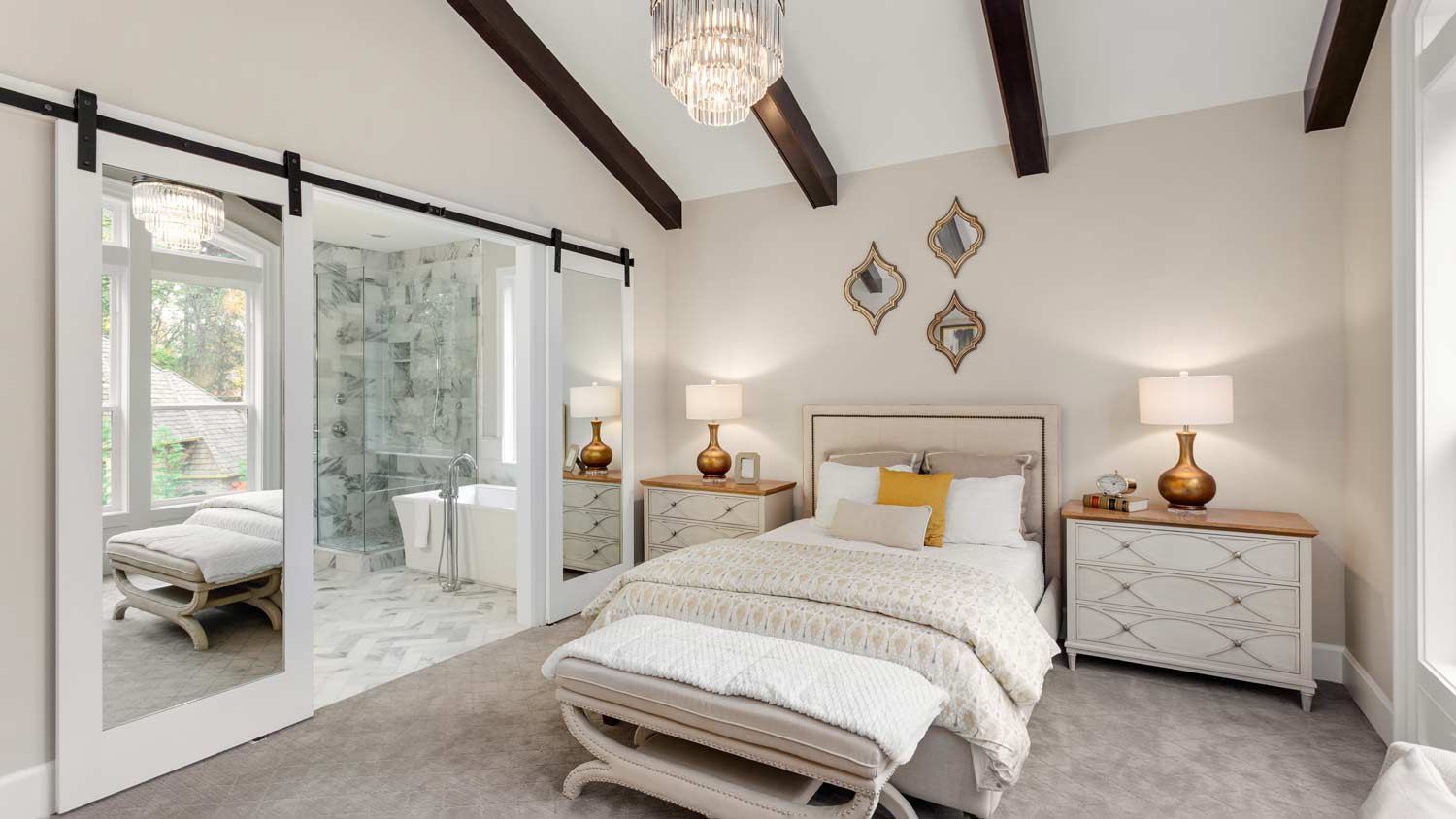
A bedroom remodel costs a significant amount but considering it’s often the most used room in the house, it can be a great investment. Learn where you can save money and increase your home’s value.
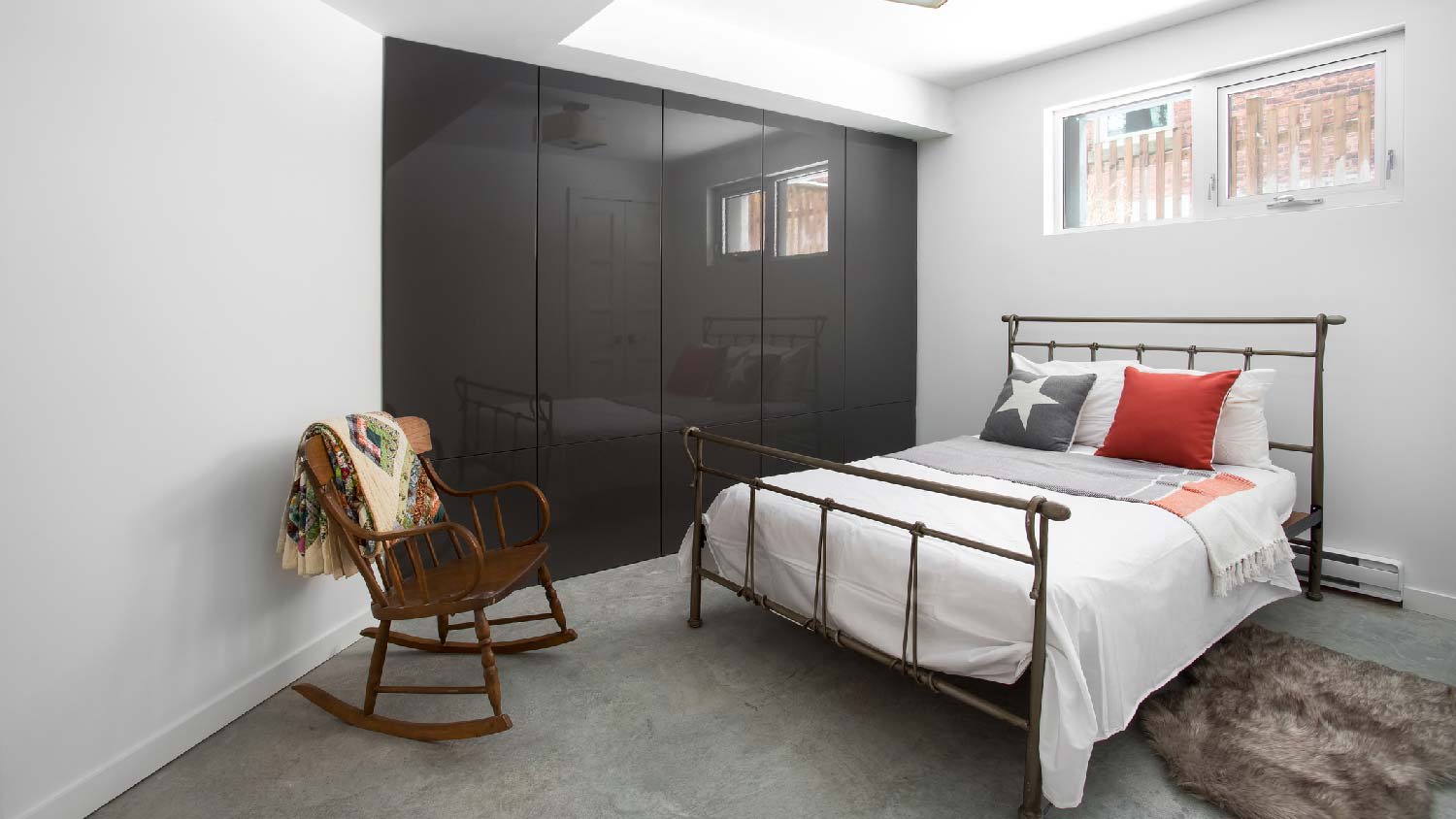
Considering converting that unused basement to living space? Learn whether adding a bedroom in the basement adds value and what factors affect your ROI.
Dreaming of more living space but not sure it’s worth it? Learn how much adding a bedroom increases home value to get an idea of the ROI you’ll see.
Need bedroom layout ideas? Get bedroom setup designs, furnishing tips, arrangement strategies, and more to create a dreamy space in your home.