


The cost to replace cast iron pipes depends on many factors, like size and accessibility. Use this guide to get a rough idea of how much you’ll spend.
Plumbing costs depend on your project and location. Check with a local pro for your specific job.

Professional pipe replacement costs between $150 and $5,700, with your specific total depending on pipe type and accessibility throughout your home.
Your pipe material shapes the cost, with CPVC running lower and copper raising the price for your home plumbing system.
You should budget for permit fees between $50 and $500, plus drywall or ceiling repairs after walls are opened for pipe access.
Hiring a local plumbing professional prevents water damage and ensures your pipes meet code for a safe home.
In 2026, the national average cost to replace a pipe is $1,246, based on data from 94,386 verified projects reported by Angi Pros. Most homeowners pay between $373 and $2,121, with costs driven by pipe material, the scope of the replacement, and how accessible the pipes are. For reference, per-linear-foot costs typically run $150 to $250, covering everything from a P-trap under the bathroom sink to a sewer line below the yard.
Pipe replacement costs vary widely because not every leak or sign of corrosion requires replacing large amounts of plumbing. In many cases, a plumber can replace only the small section affected by the damage—burst pipe repair costs, for example, only account for the concentrated affected area. Some jobs are more complicated than others, and materials play a large role in your total water pipe replacement costs.
The three main types of piping used in modern installations are CPVC, PEX, and copper, and they range in cost ($0.40 to $12 per linear foot), advantages, and disadvantages. CPVC is the most budget-friendly option, while copper sits at the high end of the price spectrum. PEX offers a middle ground with strong durability and flexibility, making it a popular choice for both repairs and full replacements.
Here is how the three options compare:

| CPVC | PEX | Copper |
|---|---|---|
| Least expensive | Budget-friendly | Most expensive |
| Prone to leaks | Prone to freezing | Prone to freezing and corrosion |
| Corrosion-resistant | Corrosion- and leak-resistant | Recyclable and UV-resistant |
| Pipe Type | Average Cost in 2026 (Per Linear Foot) |
|---|---|
| CPVC | $0.50–$3 |
| PEX | $0.40–$4 |
| Copper | $2–$12 for the materials alone |
Chlorinated Polyvinyl Chloride Piping (CPVC): CPVC costs about $0.50 to $3 per linear foot. It's a rigid, time-tested pipe used since the 1960s, but it is prone to leaks due to improper fittings, lower-quality manufacturing processes, or incorrect installation. However, it does not corrode and can be an inexpensive alternative to copper when used correctly. It lasts anywhere from 50 to 75 years.
Polyethylene (PEX) Piping: PEX Pipe runs between $0.40 and $4 per linear foot. PEX is a flexible tubing, made from crosslinked HDPE (high-density polyethylene) polymer and is great for small sections of repair or full replacements. It does not corrode, leak, or burst like other pipes. It's also great for in-floor heating and new construction and can be coupled to any other material type. Keep in mind that PEX piping can still freeze, so you'll need to properly insulate the pipes to prevent breakage. Also, it may not integrate with every pre-existing system, so be sure to inquire with your pro. PEX tubes last anywhere from 80 to 100 years.
Copper Piping: Copper pipes cost $2 to $12 per linear foot for the materials alone, depending on the diameter of the tube, and can have a higher plumbing installation cost when you compare copper pipe to PEX or CPVC. It’s more expensive than plastic but has decades of successful use in homes across the country and is accepted by all building codes. Copper piping is recyclable, UV resistant, and does not leach harmful bacteria. It is also reliable in natural disasters. However, copper pipes can freeze and corrode, so you'll still need to know how to handle a burst pipe. Copper pipes last 50 to 100 years.
Longer pipes cost more in materials and can also carry hidden costs, since they interfere with a larger portion of your floors, ceilings, or walls—meaning you may need to pay for drywall or floor plank repairs on top of the pipe installation itself. Pipe diameter also affects price, because larger-diameter pipes require more materials and therefore cost more to install. Large-diameter pipes typically drain waste rather than move water, but they can improve your overall plumbing efficiency.
New water pipe installation projects are typically bid by the fixture—such as a bathtub, sink, or toilet—and costs range from $70 to $1,000 per fixture, depending on how much plumbing needs replacement and the cause of the damage. The average cost to repair a leaking pipe starts at $150, though the final price depends on where the pipe is located.
Here are some common fixture-level cost examples:
| Fixture | Average Cost Range in 2026 |
|---|---|
| Kitchen sink repair | $150–$500 |
| Toilet pipe repair | $70–$700 |
| Water main line repair | $360–$1,700 |
| Bathroom sink repair | $200–$800 |
Labor is a primary cost factor in pipe installation, with hiring a plumber costing $45 to $200 per hour, though some plumbers charge a flat service fee to cover travel and supplies. Simple jobs typically take two to three hours, while complex repairs can stretch to several days. Plumbers may charge extra for jobs involving old pipes, significant clogs, or hard-to-access areas—for example, replacing pipes behind drywall increases both the scope and the timeline.
A plumbing permit costs $50 to $500 on its own, and many projects—especially significant ones like rerouting lines under your foundation—require one before work can begin. A plumber near you can obtain the permit and will typically build that cost into your total plumbing installation estimate. Make sure you check with your local municipality before starting any work.
Removing old pipes made from hazardous materials such as lead, galvanized steel, or polybutylene is often required before new plumbing can be installed—and repairing a ceiling runs $300 to $1,000, and repairing drywall costs $300 to $800, both of which might be needed after removing pipes. Most plumbers fold the removal and disposal cost into their estimate. The primary cost driver for old pipe removal is excavation, and a plumber may need to remove drywall or part of the ceiling to reach corroded pipes.
Replacing or installing a main water line costs an average of $1,800, or $50 to $250 per linear foot, making it significantly more expensive than swapping out a single pipe behind a bathroom sink. The main water line is the primary pipe that delivers drinking water to your home, running underground from the water utility line to your foundation. Your plumbing pro may need to perform extensive excavation to access it, and piping materials alone can cost up to $10 per linear foot.
In the event of a plumbing emergency, it is critical to know the location of your water main shut-off valve in case you need to quickly stop water from flowing into your home. If you are unsure, a pro can help you locate the valve and show you how to operate it.

If you suspect a leak, a basic plumber visit averages $150 for a flat service fee to come out and take a look. A full home plumbing inspection averages $200 and covers a quick overview of your entire system to confirm everything is in top shape. Sewer line inspections are a separate category—the cost of a sewer line camera inspection averages $1,000 and is only necessary if you're concerned about a major clog or crack.
Accessibility is a major factor in pipe replacement costs, with hard-to-reach pipes pushing the price up to $2,000 when major barriers need to be removed, while pipes in the open—such as under your sink or in your basement—may cost as little as $150 to replace. A plumber may need to remove a portion of a wall or ceiling to reach the pipe, and in some cases, bring in an electrician to work around wiring. Difficult-to-access areas include main water line replacement, pipe replacement below hardwood floors, and rerouting pipes below a concrete slab foundation.
Opening walls, ceilings, or floors to access a pipe means you'll need to close them back up, which ranges from $2 to $90 per square foot—and plumbers may or may not include that work in their scope. In most cases, you'll need to bring in a separate contractor or patch the area yourself, calling on ceiling repair contractors in your area, a team of local interior painters, or a nearby handyperson to rehang wallpaper. Here are some related costs for repairing these areas:
Drywall large hole repair: $50–$75 per square foot
Ceiling repair: $45–$90 per square foot
Floor repair: $2–$30 per square foot
Paint an interior room: $2–$6 per square foot
Water damage repair: $3–$7.50 per square foot
Pipe replacement costs vary by location, so speaking with a local plumber is the best way to get an accurate quote for your area. Urban areas typically cost more than suburban ones, though remote and rural locations can also see higher prices when homes are far from the water main. Getting quotes from at least three plumbers helps you find the best value.
Here are some price estimates for several locations throughout the U.S.:
| Location | Average Price in 2026 |
|---|---|
| Minneapolis | $1,130 |
| Seattle | $2,090 |
| Dallas | $970 |
| Long Island, NY | $960 |
| Chicago | $1,430 |

Rough-in plumbing costs $4.50 to $5.25 per square foot, though your total depends on the number of appliances and how much piping each one requires. This phase of construction happens when you build or remodel a home and involves installing all the pipes in your walls before final fixtures like sinks or toilets go in.
Here is a breakdown of common rough-in costs by location or appliance:
| Location | Average Price Range in 2026 |
|---|---|
| Sink | $350–$500 |
| Dishwasher | $400–$650 |
| Water Heater | $400–$1,800 |
| Furnace | $700–$1,700 |
| Washing Machine | $300–$1,500 |
| Whole bathroom | $1,600–$11,600 |
| Whole home | $8,000–$13,500 |
Replumbing an entire home costs between $1,500 and $15,000, with the average homeowner spending $7,500—a project typically driven by a complete remodel, aging galvanized or lead pipes, or plumbing that is over 50 years old. The cost to repipe a house breaks down to $0.40 to $8 per linear foot for piping, depending on the material, with copper sitting at the higher end. Labor adds an additional $1 to $4 per linear foot on top of material costs.
Here is a look at common replumbing costs by job type:
| Plumbing Job | Average Cost Range in 2026 (Materials and Labor) |
|---|---|
| Replacing lead pipes | $1,500–$15,000 |
| Replacing galvanized pipes | $1,500–$15,000 |
| Removing existing piping | $1,000–$5,000 |
| Installing new piping | $2.50–$15 per linear foot |
| Replacing water main | $800–$2,000 |
| Installing a new sewer line | $500–$2,500 |
| Gas line installation | $300–$900 |
Pipe replacement is a job for a licensed plumber in your area, not a novice — the stakes for your home's safety and structural integrity are too high. A professional can identify the right piping material for your situation, handle the installation to minimize damage risk, and eliminate potential health hazards. Pros also carry liability insurance, so you're protected if anything goes wrong during the project.
Replacing all your piping is complicated, so here’s why you should hire a pro:
Licensed plumbers know local building codes and can obtain the proper permits.
Pros can remove pipes without causing any further damage to your home.
They understand the risks involved with replacing pipes, and can prevent problems before they happen.
You don’t have to lift a finger or do any research to know what kind of pipes you need.
DIY mistakes can cause further damage to your home—and it may void your home insurance policy.
If you need to replace a pipe in your home, there are a few ways you can save on total pipe replacement costs. These cost-saving tips have a larger impact on a big job but can still be valuable for a single pipe replacement:
Choose affordable pipes: If you can, avoid high-end piping and choose something wallet-friendly. For example, you may be able to replace copper pipes with PEX pipes. This will save you around $2 per linear foot, but PEX isn’t heat-resistant, so it’s not always an option. It will, however, increase your home’s energy efficiency, which can save money in the long run.
Choose the diameter wisely: Speak with a pro to choose the right diameter for your project. Large-diameter pipes cost more but may be necessary for certain jobs and efficient plumbing.
Repair pipes ASAP: If you notice leaks or cracks in your plumbing, repair them before they cause larger (and more expensive) issues. This could save you on plumbing replacement costs down the line.
Clean your drains: Clogs can wear down your pipes, so you’ll have to replace them sooner. Try to clean your drains regularly to avoid damaging clogs.
Get multiple quotes: Get quotes from at least three different plumbers. This can help you get a feel for the market and find the best value and pro for the job.
Look into a home warranty: For some homeowners, a home warranty is a worth-it expense that helps reduce the upfront cost of common repairs.
Determine who will obtain the proper permits for the work.
Confirm they are familiar with local building regulations so your project will comply with code.
Clear the work areas to prevent water damage and ensure your professional has easy access to your pipes.
Home is the most important place on earth, which is why Angi has helped more than 150 million homeowners transform their houses into homes they adore. To help homeowners with their next project, Angi provides readers with the most accurate cost data and upholds strict editorial standards. We’ve surveyed thousands of real Angi customers about their project costs to develop the pricing data you see, so you can make the best decisions for you and your home. We pair this data with research from reputable sources, including the U.S. Bureau of Labor Statistics, academic journals, market studies, and interviews with industry experts—all to ensure our prices reflect real-world projects.
Want to help us improve our cost data? Send us a recent project quote to [email protected]. Quotes and personal information will not be shared publicly.
Positive experience. As previously stated, the replacement/repair could not be completed (no fault of the plumbing tech) b/c misinformation was rec?d by property management maintenance. Thanks to the plumbing tech for your efforts. Appreciate you!
 The Waterworks
If you want to pay the most exorbitant prices possible for your job, this is the company for you. “By the job” pricing is a rip-off, at least how these people use it. Every job is plugged into a category and prices are set by category. You might have a job that takes half an hour or one that...
 Benjamin Franklin Plumbing
Cole has been handling plumbing and general contracting for our four properties over the past three years, and he’s always done a great job. Most recently, he installed a sink and countertop in our retail store where none existed before, and it turned out exactly how we needed. He’s...
 ANB Renovations LLC
Matt is a consummate professional. The work turned out to be far more difficult than expected and rather than turn the job down, Matt rose to the occasion and completed a near impossible task. I can not recommend Greene's Plumbing Service more highly. On a scale of 1-5 I would give Matt a...
 Greene's Plumbing Service
Involved an extensive bathroom remodel, including removing tub & installing walk in shower, new drywall, custome tile work to ceiling, plumbing, etc. Overall, job was done on time and on budget. Nick & his team were very professional and had high attention to detail. Quality was great. Highly...
 Stamos Flooring and Remodeling LLC
Awesome company. Had a jacuzzi tub taken out and replaced with huge walk in shower with partial glass enclosure. Onyx to the ceiling with a decorative border, moved plumbing and installed hand held shower, new ceiling, flooring, and paint. Replaced window with glass block. Everything was done...
 Columbus Bath Design
The initial quoted price from a walk-through seemed high, but we discussed that the quote represented worst case scenario (re-wiring to two floors) and we were excited about the opportunity to have the work done in a timely manner with closing for fire safety reasons, etc. When the job was...
Initially, I called the Service People to have a leaking garbage disposal replaced. I had purchased a special deal through Angie's List: $79 for $200-worth of plumbing services. <br /> When I went to schedule the work, the earliest date I could get through Angie's List was after the upcoming...
This company did a very good job on the brick wall and it looks just amazing. The staff was always professional and was practically OCD on how the bricks were stacked and how they were laid. Although it took longer than expected, I am willing to sacrifice time over perfection anyday. The...
 My Handy Mate LLC Improvement & Remodeling
<p>I am so glad we called Rotor-Rooter. I was hesitant to call them because we usually prefer to give business to local providers. But when we had sewage back up in our basement on a Saturday evening, I had a hard time getting a hold of someone, not to mention the high weekend/evening rate...
 Roto-Rooter Plumbing & Water Cleanup
From average costs to expert advice, get all the answers you need to get your job done.
The cost to replace cast iron pipes depends on many factors, like size and accessibility. Use this guide to get a rough idea of how much you’ll spend.
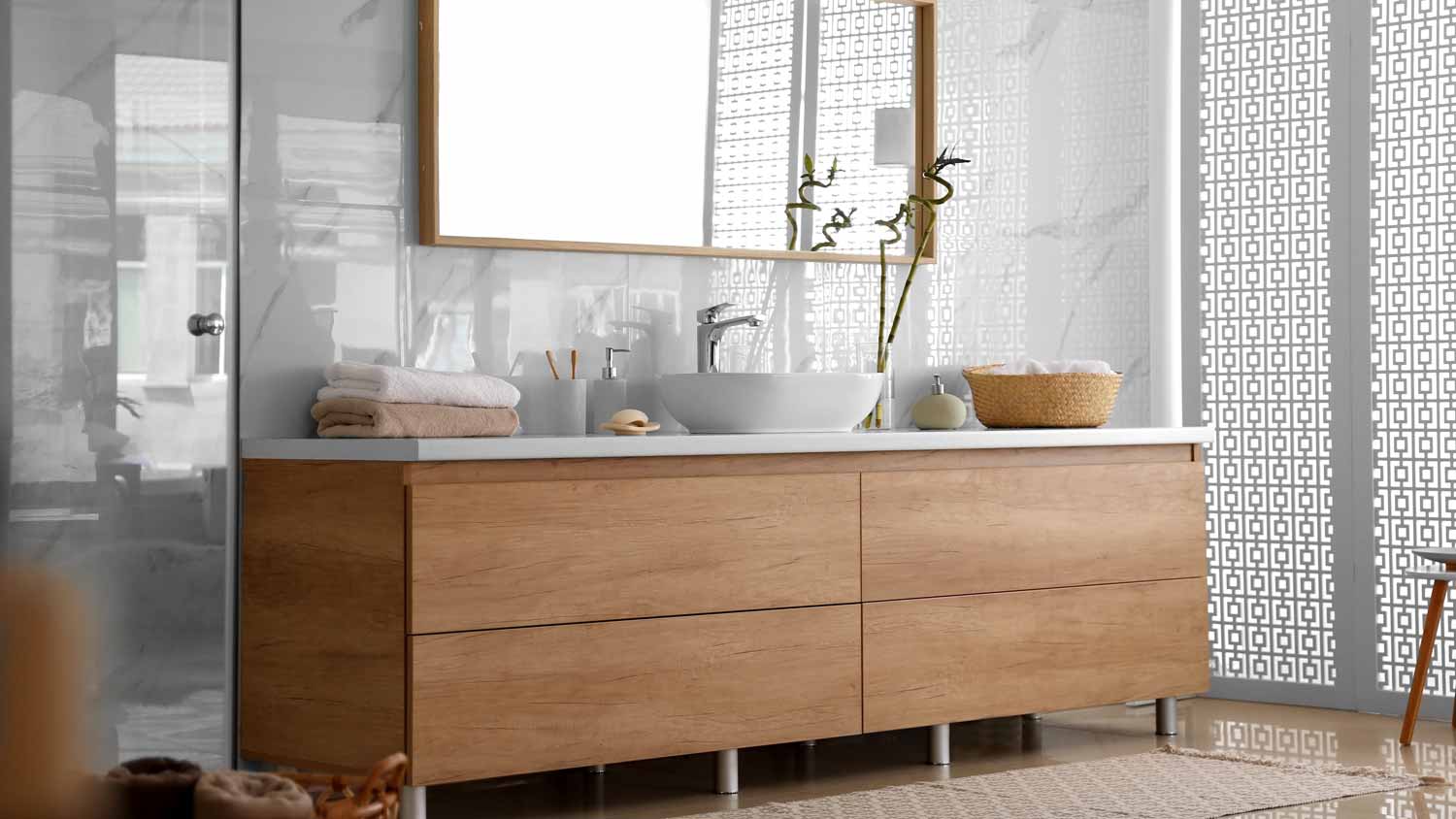
Pipe leak repair costs depend on the location and severity of the leak, as well as the type of pipe being replaced. Use our guide to price out repair work.
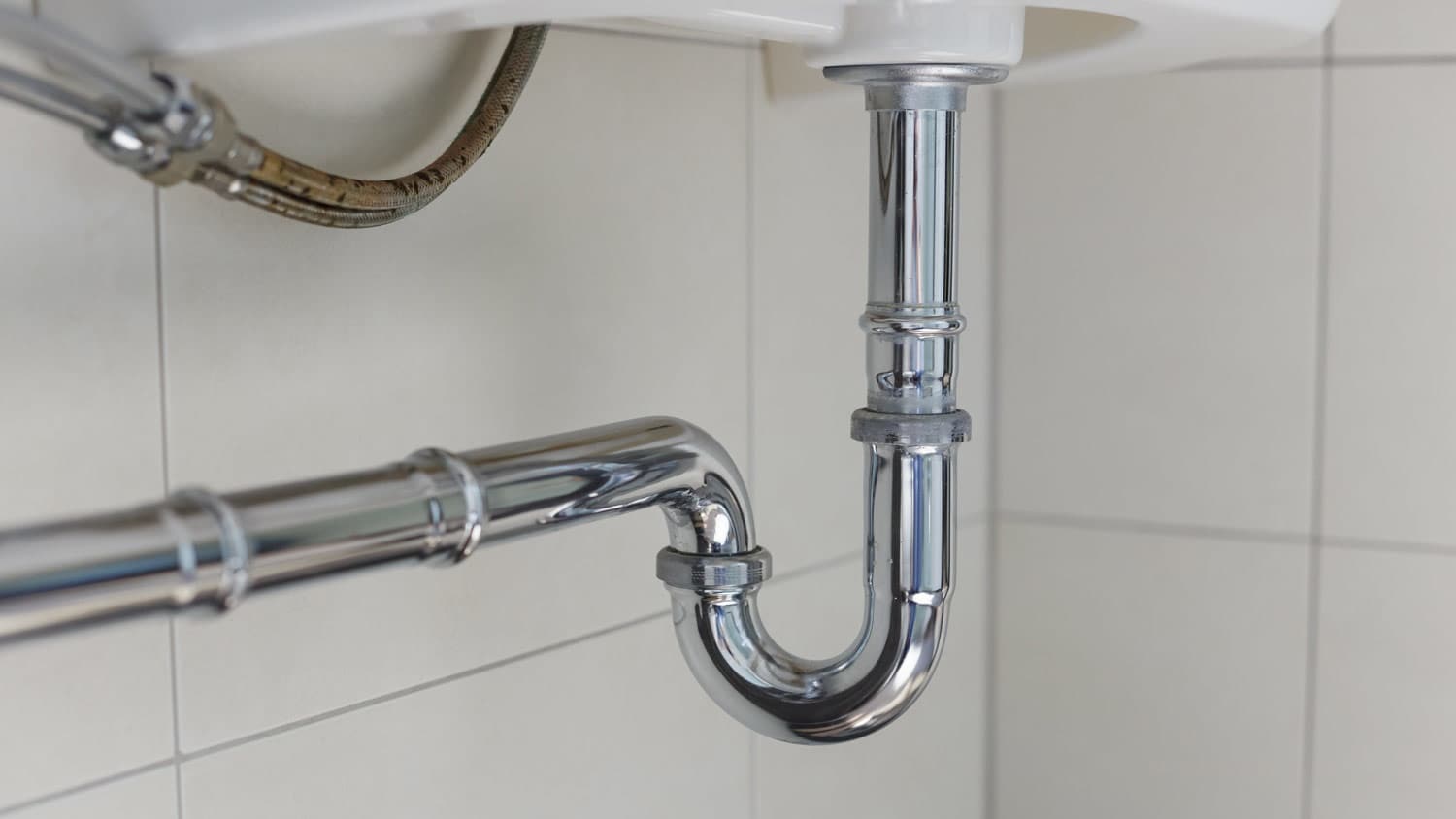
Discover the cost to replace drain pipes in a house, including average prices, key factors, and tips to save on your plumbing project.
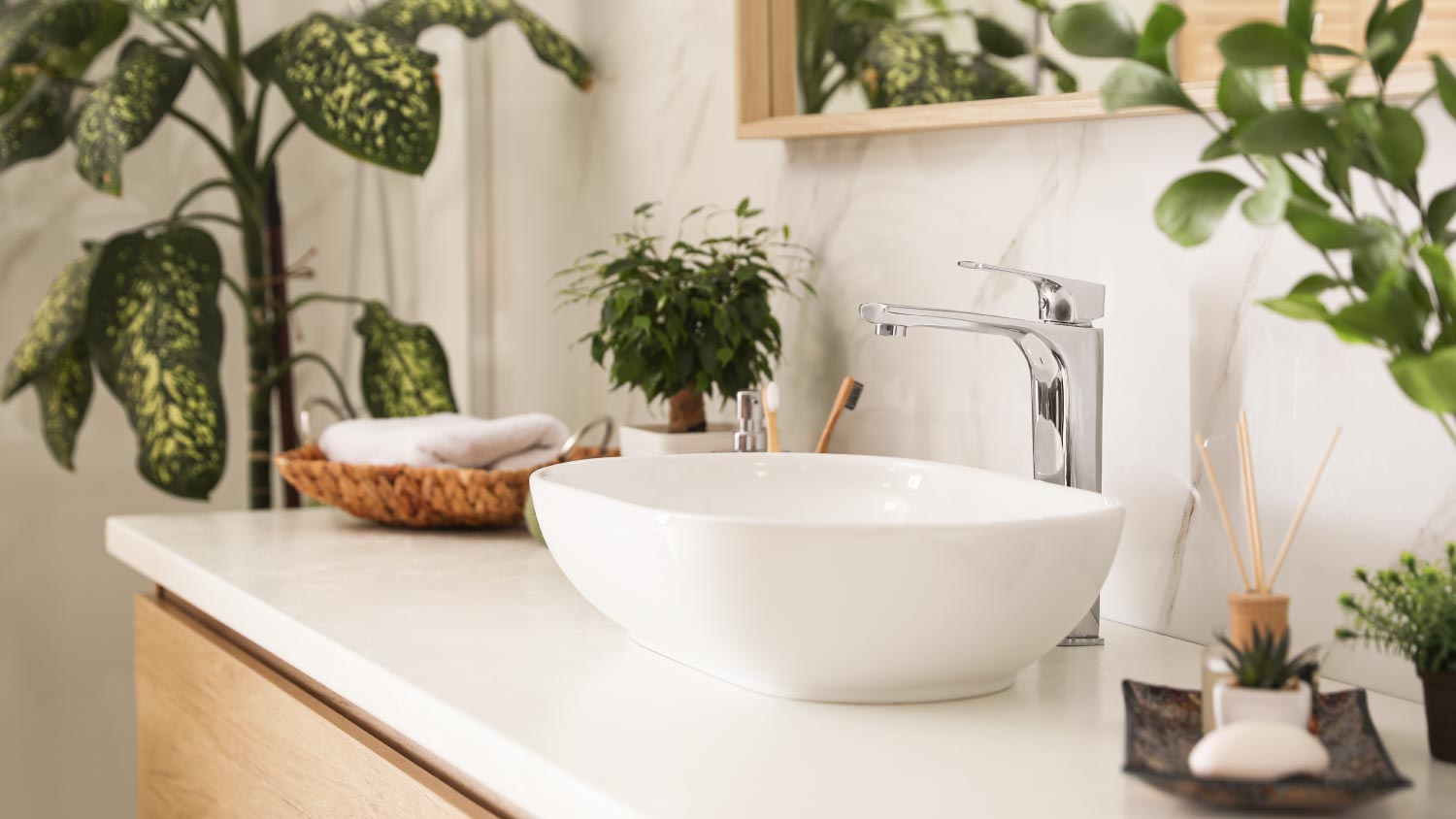
Weak water pressure, chipped hardware, and drainage problems are signs that it’s time to replace your bathroom plumbing.

Learn the problems with polybutylene pipes, where and how they are used, and why polybutylene pipe replacement is a good idea.
New EPA rule aims to cut lead in drinking water, but homeowners are still on the hook for pipe replacements on their property. Here’s what you need to know.