


New York plumbers are some of the priciest in the nation. High cost of living and aging buildings contribute to their hefty price tag. Learn the other factors affecting how much a plumber costs in New York City.
The average cost to replace a main water shut-off valve is $500, but most homeowners pay between $375 and $600 for the service.


The most important cost factors to consider are the type of water main shut-off valve and the material you choose.
Main valves in a basement or utility room are more accessible and will cost less to repair than those underground behind access panels.
Expect to pay 10% to 30% more if you need emergency service to replace a leaking valve.
Most municipalities require permits to replace water main valves. These can add hundreds to your total, so budget accordingly.
The average cost to replace a main water shut-off valve is $500, but most homeowners pay between $375 and $600 depending on the valve type, material, and whether trenching is involved. The cost can reach as high as $800 for stainless steel valves that require a trench. Your local labor fees and associated digging permits will also affect your final price.
Read on for all the details on the cost of replacing a main water shut-off valve and what to expect.
Every project is unique, and water shut-off valves are no exception. Several factors can affect your final costs for this project.
The type of water shut-off valve you repair can affect the price. Fixture valves cost the most, ranging from $50 to $100, but most other types of valves are similar in price, from $10 to $50.
| Valve Type | Average Cost |
|---|---|
| Gate | $10–$50 |
| Ball | $10–$20 |
| Globe | $10–$25 |
| Fixture | $50–$150 |
| Needle | $5–$20 |
Gate Valve: Gate valves have an internal gate that turns water all the way on or off. They’re used in industrial applications and may control a house's main water pipe. Residential gate valves cost around $10–$50.
Ball Valve: Ball valves feature a thick middle body that holds the ball used to control the water. They’re used as main water shut-off valves and only require a quarter-turn of a lever handle to turn on or off. Ball valves cost about $10–$20.
Globe Valve: Globe valves include an internal plunger that moves up and down to control the water flow. They commonly control sprinkler system pipes. Residential globe valves can cost anywhere from $5–$70 but fall between $10–$25.
Fixture Valve: Fixture valves feature small twist knobs or handles and control water for individual fixtures. Most houses have a variety of fixture valves, ranging in cost from $50–$150.
Needle Valve: Needle valves were once common in water supply appliances, like refrigerators, but many building codes no longer permit their use. These valves cost about $5–$20, but consider replacing needle valves with more reliable options.

Water main shut-off valves are most commonly brass, which is relatively durable and inexpensive. However, other metal materials are available for a higher price. Bronze tends to be more durable than brass when exposed to high levels of chlorine, and stainless steel can last longer under pressure and high temperatures.
The location of the main water valve in your home is one of the biggest factors in determining cost. An easy-to-access basement valve will cost much less to replace than an outdoor valve buried underground or locked in a vault. National average costs for valves in different locations are listed below.
| Location | Average Cost |
|---|---|
| Basement access | $180–$220 |
| In-ground at water meter | $180–$500 |
| Vault or box | $200–$750 |
| Buried (shallow) | $210–$420 |
| Buried (deep) | $240–$1,000 |
In the event of a plumbing emergency, it is critical to know the location of your water main shut-off valve in case you need to quickly stop water from flowing into your home. If you are unsure, a pro can help you locate the valve and show you how to operate it.

If you don't want to replace the water shut-off valve, you'll need to pay a plumber. If you’re having any other plumbing issues, it might make sense to have a plumber tackle this task alongside those to make the trip worth it for both of you.
Plumbers charge $45 to $200 per hour, so your total costs will depend on how long they complete the job. A simple replacement valve might take an hour or two, but the job can take several hours to complete if the valve is hard to access.
In many municipalities, you need to obtain a permit before replacing your main shut-off valve. Expect to pay $50 to $500 for the needed permits. Your plumber should be familiar with the local permitting process. They can provide a cost estimate for the permit and any upgrades required as part of that process.
The average main water valve replacement cost is $500, but that average rises to $875 if a trench is required to reach a buried valve. The cost continues to rise the deeper you have to dig, as trenching costs hundreds per excavation foot. Frozen ground and bad weather make access even more complicated if the replacement is done during the winter.
If you’re merely repairing or replacing your main water line and not the valve, an alternative to trenching is trenchless water line replacement. A trenchless water line replacement costs between $75 and $150 per linear foot. It involves inserting a new pipe between where the water line connects to your home and where it connects to the city line, then filling it with resin to form a stronger pipe. Repair or replacement is another option, and repairing a main water line costs around $1,000.
If you’re having your main water shut-off valve replaced in the event of an emergency and need to have a pro come in on the weekend, on a holiday, or overnight, you may pay an additional emergency fee.
If you have insurance coverage on your water main line, you may be able to get up to $3,000 for repair or replacement from your insurance company. This can dramatically offset your cost and may even fully cover a new main water shut-off valve.

Replacing a main water shut-off valve yourself may seem like a way to save money, but you run the risk of water damage from leaks if the job isn’t done correctly. If the main water line is buried, replacing it will require trenching, which necessitates specialized equipment and precise digging in the correct location. Overall, this project is best left to a plumber near you.
Plumbers have the pro-level knowledge it takes to replace your main water shut-off and can:
Locate the main water shut-off valve, even if it’s buried
Access a buried water line
Help you determine the best valve type and material
Understand permit requirements, so you get the proper permit for the job
Recommend upgrades or other related repairs
Quality main water shut-off valves are meant to last, but they need to be replaced from time to time. Here are signs that it might be time to trade in your old valve for a newer model:
Water leaks or drips from the valve in the open or shut position
Visible rust or corrosion (blue, white, or brown residue) on the valve
It’s stuck or gets stuck between uses
The water won’t completely shut off
You hear noises when you turn the valve off and on, signaling damage or failure
Water pressure issues that may be due to a failing valve
Obvious damage (it’s bent, cracked, or broken)
You don’t know when it was last replaced
Be ready to discuss valve materials with your plumber so you can decide between brass, bronze, or stainless steel.
Ask your pro which type of valve you have and if you should upgrade to a different one.
Clarify what the estimate includes, such as labor, parts, and pipe replacement.
Discuss the project timeline so you know when to expect the work to begin and how long the water will be out of service.
Home is the most important place on earth, which is why Angi has helped more than 150 million homeowners transform their houses into homes they adore. To help homeowners with their next project, Angi provides readers with the most accurate cost data and upholds strict editorial standards. We extensively research project costs to develop the pricing data you see, so you can make the best decisions for you and your home. We rely on reputable sources, including the U.S. Bureau of Labor Statistics, academic journals, market studies, and interviews with industry experts—all to ensure our prices reflect real-world projects.
Want to help us improve our cost data? Send us a recent project quote to [email protected]. Quotes and personal information will not be shared publicly.
From average costs to expert advice, get all the answers you need to get your job done.
New York plumbers are some of the priciest in the nation. High cost of living and aging buildings contribute to their hefty price tag. Learn the other factors affecting how much a plumber costs in New York City.
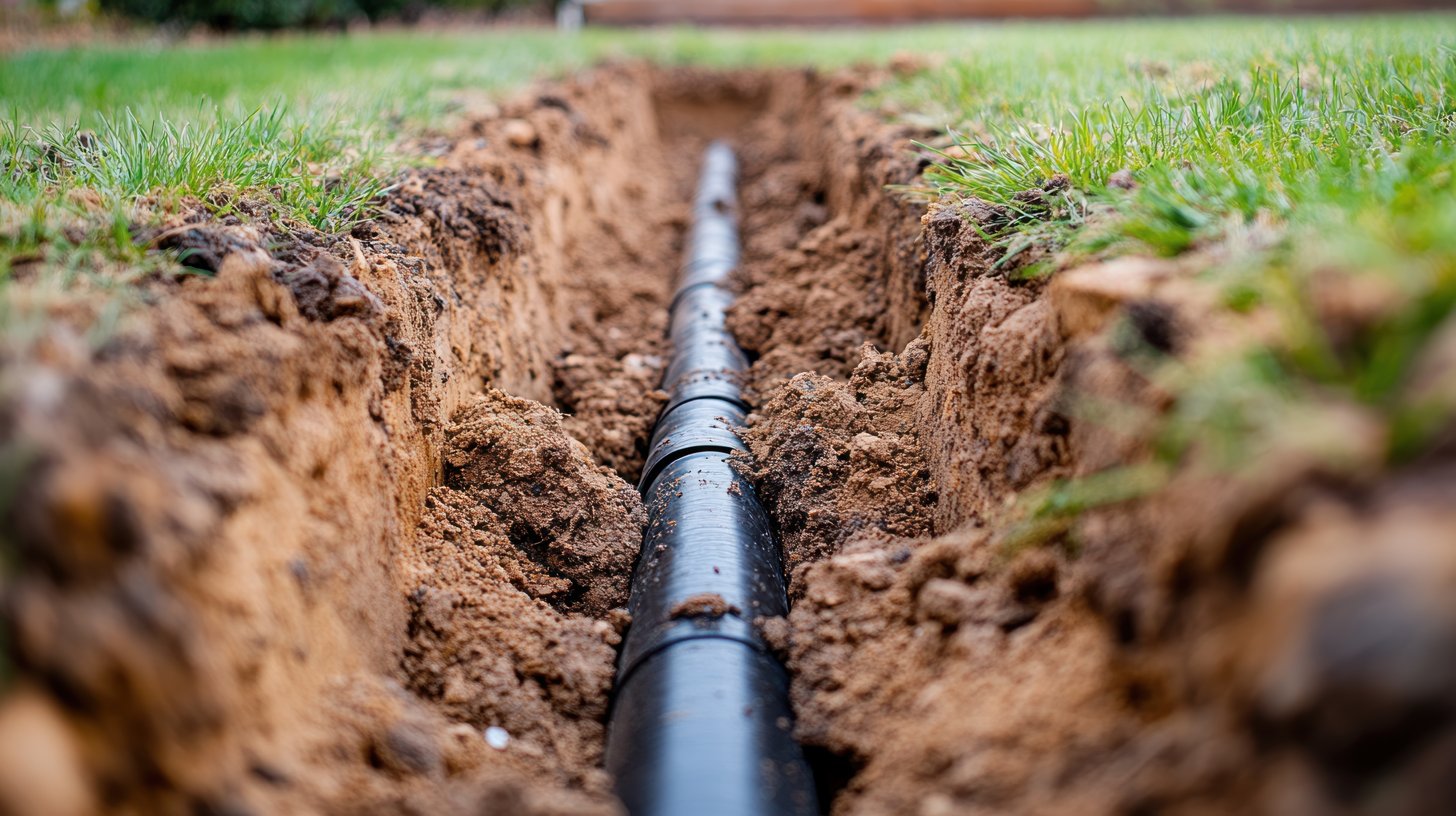
Discover the primary factors that affect your main water line replacement cost in New York, including length, materials, and the necessary installation method.
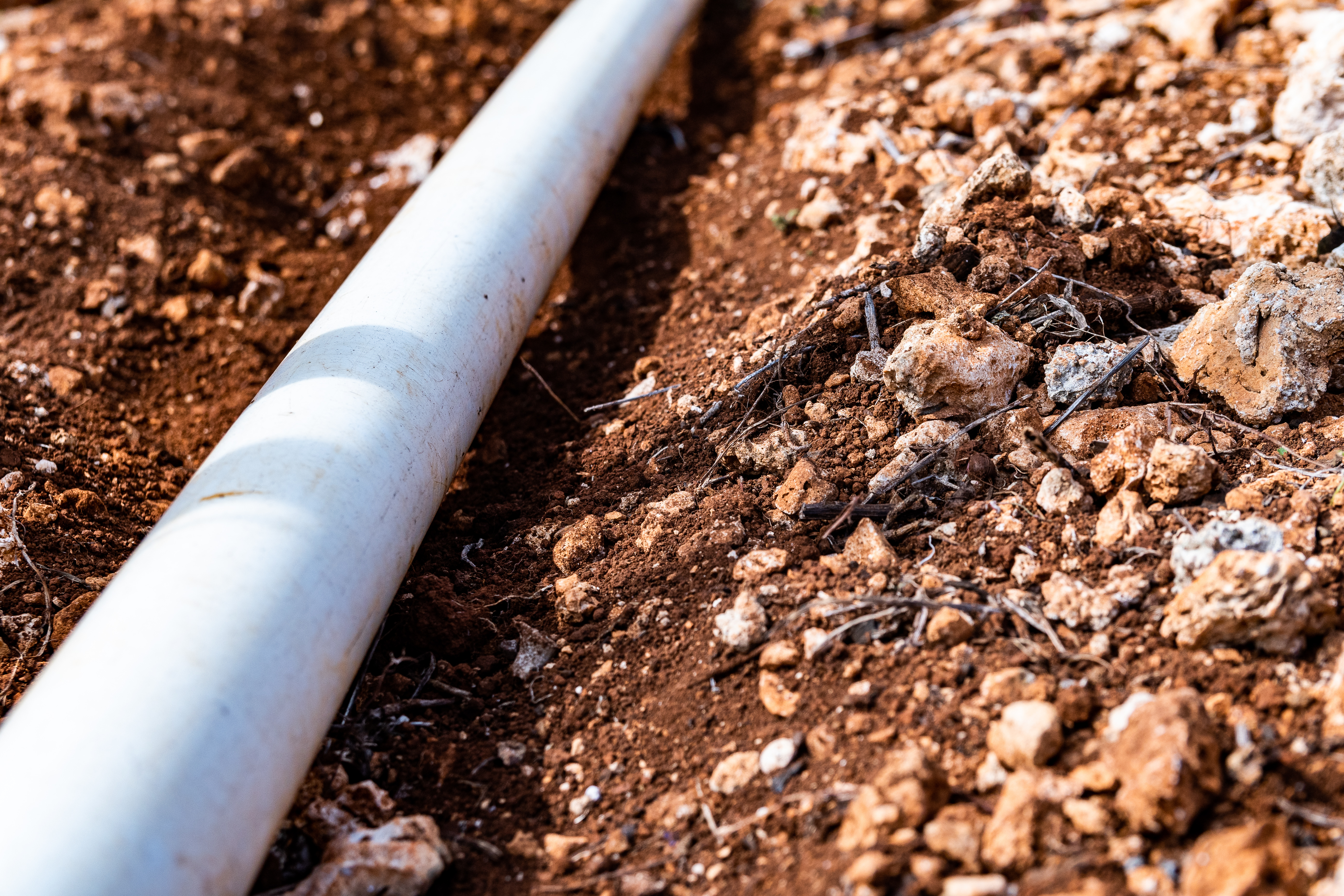
Discover the pricing factors that will affect your main water line repair cost in New York, including the repair type, size, and accessibility challenges.

Wall-hung toilets offer a modern style and are easy to clean, but they’re also expensive and difficult to repair. Let’s examine the pros and cons of wall-hung toilets.
.jpg?impolicy=leadImage)
Proactive plumbing maintenance can save you thousands and protect your pipes and appliances from unnecessary wear and tear—but how often you need to schedule plumbing maintenance depends on a few factors.
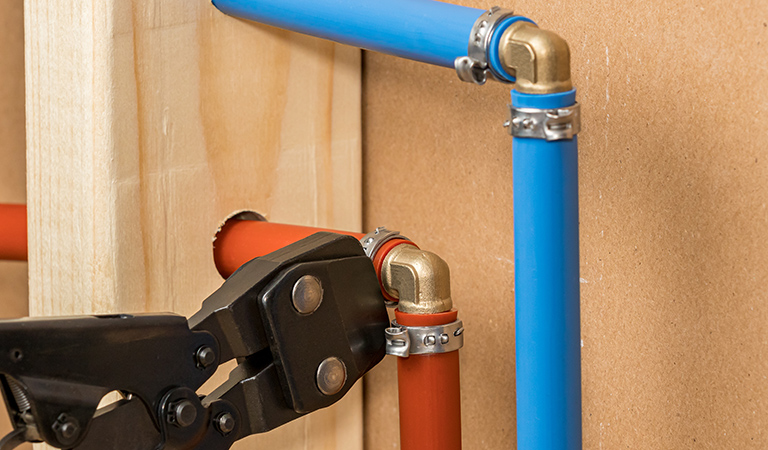
Discover the average plumbing stack replacement cost, key price factors, and expert tips to help you budget for your home’s plumbing upgrade.