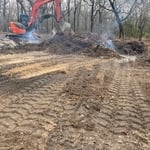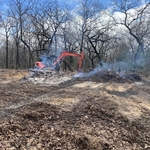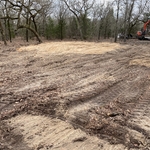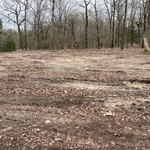






Top-rated excavation pros.

Get matched with top excavation pros in Tyler, TX

Enter your zip and get matched with up to 5 pros

Need a pro for your excavation project in Tyler, TX?

Select your specific project to find the pro for you.

TRUSTED BY TYLER, TX HOMEOWNERS

  • Average homeowner rating star icon4.7
    Average homeowner rating
  • Verified reviews icon41
    Verified excavation services reviews

Find Excavation pros in Tyler

Avatar for Brushwacker Land Services LLC
Brushwacker Land Services LLC
5.0(
29
)
Building Site - Preparation and ClearingLandscape - Minor Grading or ReslopingBuilding Site - Preparation and Clearing - For Business+2 more

Serving Tyler, TX and surrounding areas

Approved

In business since 2020

Free estimates

Credit card accepted

"I was asked to check on my families farm property while visiting Dallas. I drive to east Texas and saw it in disarray. I extended my stay and looked for companies to clear the property on short notice. Scott came gave me a very reasonable estimate. By the end of the week he brought his crew, equipment, and they cleared and cleaned my families property in a day. They were very knowledgeable and helpful. I would recommend them to anyone and plan on using them to maintain the property moving forward. Great job!"
Mulching
Excavation
Ice Storm Clean Up
2 neighbors recently requested a quote
Recommended by62%of homeowners
Avatar for Hicks Land Development
Hicks Land Development
5.0(
12
)
Building Site - Preparation and ClearingExcavation - Major Grading or ReslopingExcavation - Major Grading or Resloping - For Business

Serving Tyler, TX and surrounding areas

Approved

In business since 2020

Free estimates

Warranties offered

"Excellent job! Mr. Hicks is very safety oriented and obviously has years of experience operating. From the excavation to the finishing touches and leveling the gravel, it could not have gone better. I will definitely be calling him again and I highly recommend him for whatever you’re needing from excavation, clearing, he even put in a new spillway and raised the water level on my pond. Thanks again sir."
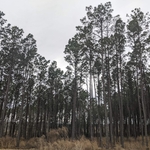
Started as a young tree crop.
Excavating Project
Excavating Project
Excavating Project
Excavating Project

+30

Response time4 days
Response rate100%
1 neighbors recently requested a quote
...
Showing 1-10 of 234
Excavating questions, answered by experts

The easier way to find buried sprinkler lines is to use the plan from the professionals who installed the system. If you don’t have professional plans, listen for running water on your lawn when you turn on the system. You may also spot wet areas, giving you an idea of where the heads are. Once you find the sprinkler heads, you’ll likely be able to connect the dots between them, revealing the system below.

It takes one hour to dig a 10-foot trench by hand. Use a trenching shovel with a sharp tip and a long head. Plan for more time if your soil is heavy or rocky. Consider renting a trencher if you’re digging a long or deep trench or if you have challenging soil or terrain. 

Most residential basements are 8 to 10 feet deep. You can dig deeper depending on building codes, but it does become more difficult. You’ll likely need to install stronger foundation walls and additional supports to handle the increased load. Depending on the water table, you may also need a water management system. Clay soil can support a deeper foundation than sandy soil. A structural engineer will be able to tell you the maximum, feasible depth.

A mini excavator can dig between 5 and 11 feet deep, depending on the type and size of the mini excavator. Mini hydraulic excavators are more powerful and can reach deeper into the earth, but electric models have a more limited range. Mini excavators over two tons in size are also more powerful and able to dig as deep as 11 feet.

Trenching and boring are two distinct methods for installing underground utilities. Trenching involves digging a channel using equipment like an excavator, trencher, backhoe, or shovel. While it is a simpler process, it causes significant disruption to the surface, landscaping, and surrounding ecosystems.

Boring, also known as directional boring, is a less invasive alternative that uses a drill to create a tunnel for utility lines without disturbing the surface. This method is more precise and is ideal for installations that need to go underneath buildings, roads, or bodies of water. Although boring is less disruptive, it is generally more expensive than trenching.

The Tyler, TX homeowners’ guide to excavation services

From average costs to expert advice, get all the answers you need to get your job done.