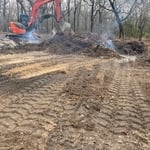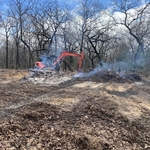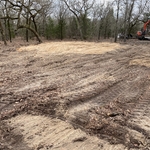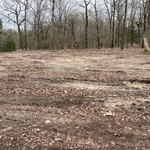







Top-rated excavation pros.

Get matched with top excavation pros in Flint, TX

Enter your zip and get matched with up to 5 pros

Need a pro for your excavation project in Flint, TX?

Select your specific project to find the pro for you.

TRUSTED BY FLINT, TX HOMEOWNERS

  • Average homeowner rating star icon4.7
    Average homeowner rating
  • Verified reviews icon51
    Verified excavation services reviews

Find Excavation pros in Flint

Avatar for Bankard Services
Bankard Services
5.0(
6
)
Building Site - Preparation and ClearingBuilding Site - Preparation and Clearing - For BusinessExcavation - Major Grading or Resloping+1 more

Serving Flint, TX and surrounding areas

Approved

Free estimates

Emergency services offered

Small jobs welcome

Maintenance professional with 20+ years of experience in mechanical systems, troubleshooting, and repair. I specialize in home repairs, fixture installs, drywall patching, and custom solutions—including welding and light fabrication. I take pride in clean, reliable work and showing up on time.\n\nI’m especially good at solving problems other contractors can’t or won’t take on. Whether it’s a small repair or a list of projects, I focus on getting it done right the first time. No sewer or major plumbing work.

Metal Fabrication
Metal Fabrication
Metal Fabrication
Metal Fabrication
Metal Fabrication

+10

23 neighbors recently requested a quote

...
Showing 1-10 of 172
Excavating questions, answered by experts

Water lines are buried at various depths, depending on the type of line. For example, most sprinkler lines are buried between four and 12 inches underground. On the other hand, water mains usually sit between one and 3 feet below ground. However, they can go even deeper in cold climates to prevent freezing.

The digging depth will depend on the size of the trencher you use. Even smaller units can dig up to 4 feet deep, which is plenty for a DIY job. However, much larger trenchers can reach a depth of 18 feet and are better used by a team of pro contractors, not a single DIYer. As with all home improvement projects, use the right tool for the job and proceed with caution.

A walk-behind trencher can cut through roots as long as they’re not too thick, making a project much easier than digging with a shovel and other hand tools. Assess your terrain and the number of trees in the surrounding area to determine if a walk-behind trencher will ease the job. Digging a trench by hand is much more time-consuming and labor-intensive. 

A perc test can take anywhere from one to eight hours to complete. The total time depends on factors like the amount of excavation required, the depth and width of the holes, and whether multiple test holes are needed. For a single hole, the process of filling it with water and monitoring the drainage rate usually takes less than an hour. Professionals can often complete the entire test in a single day. While it's possible to get results the same day, some companies may take a few days to provide the official report.

Sewer lines can be buried anywhere from 18 inches to 8 feet deep, with a common average depth between 18 and 30 inches. The exact depth depends on local factors like climate and soil type. In colder regions, pipes must be buried deeper (below the frost line) to prevent freezing, sometimes as deep as 8 feet. The digging depth can also impact the cost of sewer line replacement. To find the specific depth for your property, you can check the building plans for your system, which should be on file with your city or local sanitation department since permits are required for installation.

The Flint, TX homeowners’ guide to excavation services

From average costs to expert advice, get all the answers you need to get your job done.