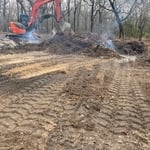
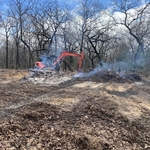
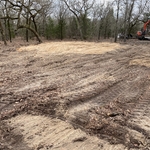
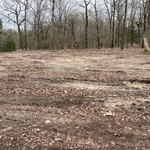
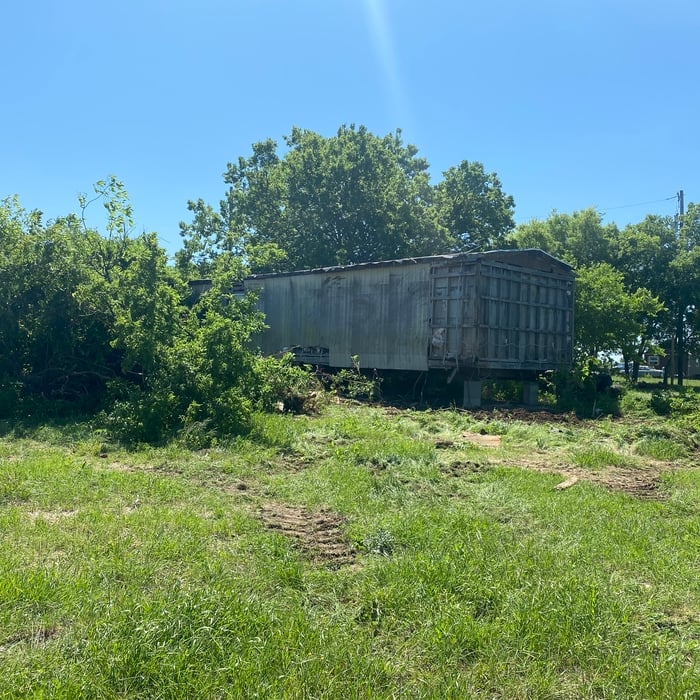
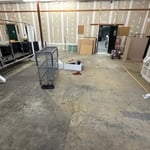
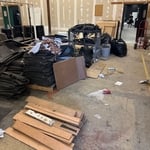
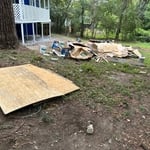
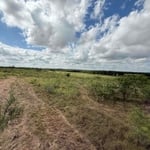
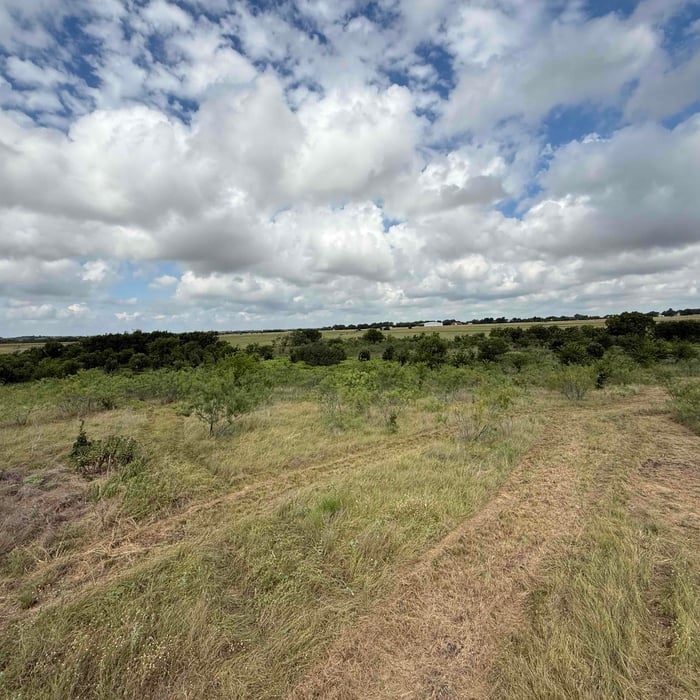
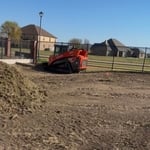
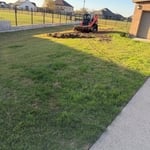
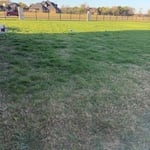
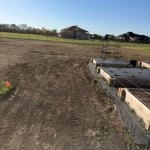
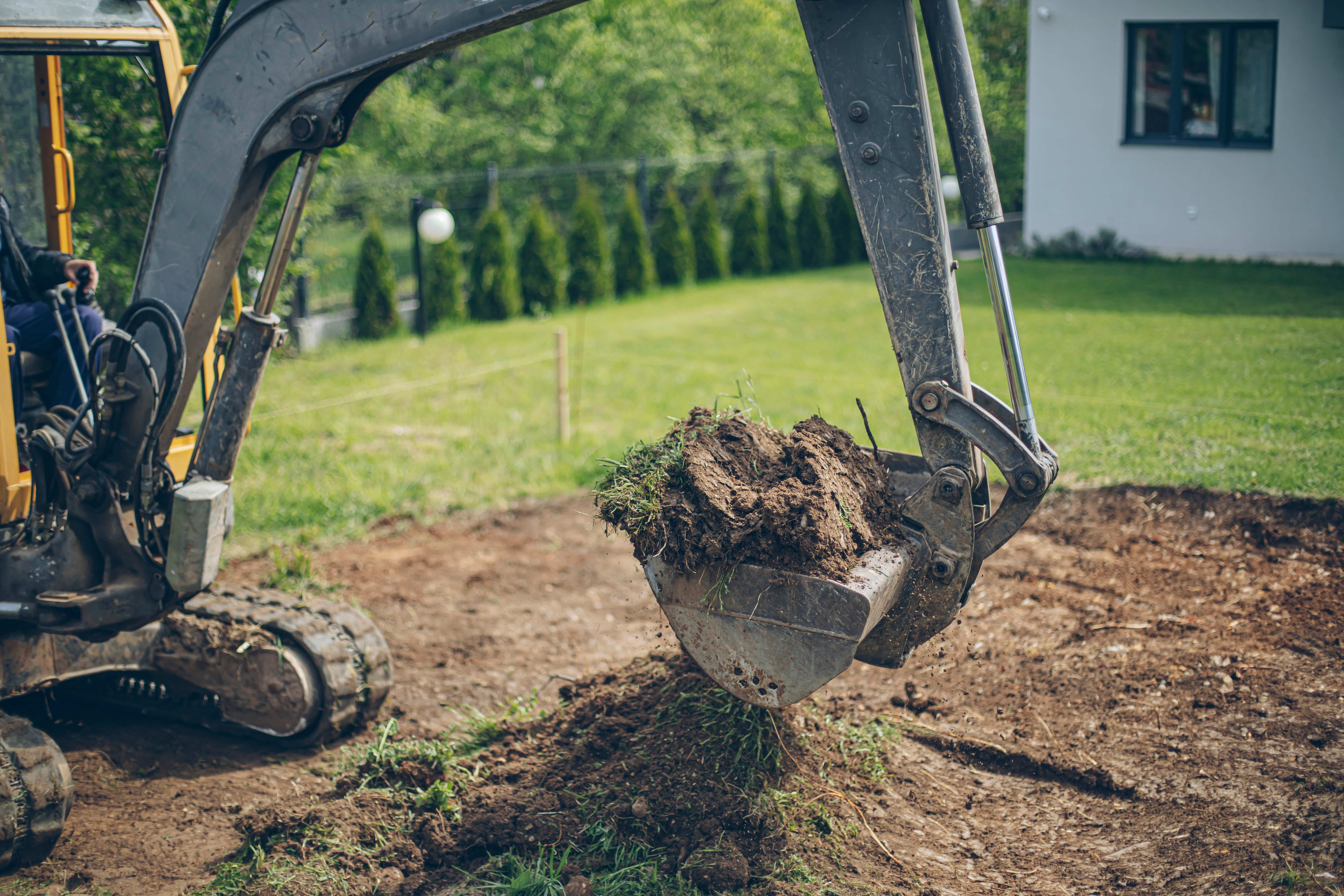
Oviedos Demolition, proudly serves its customers with pride, integrity, and attention to the details that matter most to you. This is one of the many things that set us apart from the rest. We are locally owned and operated. Give us a call.
With over 7 years of hands on experience. \n We are here to help you with any Demolition, Dirt work, Land Clearing, Haul off, Excavation, Forestry, Mulching, Fence line clearing, and more\n\nSmall business owner for over twenty years.\nOwner operator \nLicensed and insured \nNew and Well maintained equipment.
A leading construction company in (LOCATION) focuses on providing optimum quality in various construction services. We take great pride in our work as we have during our () years in business. Thus, you can rest assured, that no matter what construction project we handle, we will be giving nothing but highly professional and expert works. Our galleriescollections of photos from previous construction projectscan attest to the amount of time, thought, and effort that we put into the services we provide.
\n
\n
\n
\n
\n
\nOf course, while we strive to provide the most beautiful designs and outcomes, we understand that price is one of the most important deciding factors for clients. That is why we offer the fairest prices for our best quality works. Call today for your free estimate!
Ultimate Precision Roofing and Construction has become a staple of professionalism and quality work, in Mabank, TX. With several years of experience, there is no job too small, or too complex for our crew. Call us today to schedule an appointment.
Schneider Land Development, LLC proudly serves our customers with pride, integrity and attention to details that matter most to you. This is one of the many things that sets us apart from the rest. We are locally owned and operated so give us a call today! Serious inquiries only please.
\n
Abshire’s Mulching and Excavation, LLC strives to enhance residential and commercial property value through a natural approach to land management and functionality. As a family owned and operated business, backed by a Bachelor of Environmental Science Degree and using state of the art equipment, we take your investment seriously. \n\nForestry Mulching is the process of removing undesirable vegetation without the harmful practice of topsoil, organic material and micro flora and fauna disruption. Selective mulching allows for the natural regeneration of forest floors as the customer desires.\n\nServices Include\n\nCustom land clearing-\nPonds, dams and embankments\nRight-of-ways\nFence rows\nShooting lanes\nTree trimming\nPasture mowing and more!\n\nExcavation Services-\n\nCulvert repair and installation\nErosion control, water diversion\nTrenching \nSmall Demolition\n\nLike and share Abshire’s Mulching and Excavation on Facebook!\n\n
Freedom Land & Forestry LLC is based in Kaufman, Texas, proudly serving Texas and surrounding areas. We specialize in forestry mulching, land clearing, brush cutting, pond cleanouts, dirt work, driveway grading, demolition, and debris haul-off.\n\nWhether you need to reclaim overgrown acreage, improve access, or clean up your property, we bring dependable equipment, clear communication, and pride in our work. As an owner-operated business, you work directly with the person doing the job.\n\nYour land, our passion.
Nine-seven-two six seven four seven one seven seven...I’m a hardworking family man building more than a business—I’m building a future. My goal is to leave a legacy my sons can carry forward and a name my daughters will be proud of. I’m stepping away from the everyday 9–5 grind to create a better life for my wife and kids, while still providing for the people who matter most. Every job I take on is done with care, integrity, and family values at the core.
Skid Steer Operator for Hire – Site Prep & Dirt Work\n\nNeed dirt moved or land cleared? \nProfessional skid steer services available with an experienced operator. From small cleanups to full site prep, no shortcuts—just solid work.\n\nBrush clearing, grading, driveways, pads, trenching, and more. Residential and commercial jobs welcome. Serving North Texas.\n
Hello im Osvaldo castruita , after years of working and perfecting my crafts I’ve decided to go out on my own to provide the best service possible to meet customers wants and needs. I’ve worked as a heavy equipment operator doing everything from clearing land , digging ponds, grading land , and driveways. Also building outdoor kitchens , flower beds and hardscape .
A mini excavator can dig between 5 and 11 feet deep, depending on the type and size of the mini excavator. Mini hydraulic excavators are more powerful and can reach deeper into the earth, but electric models have a more limited range. Mini excavators over two tons in size are also more powerful and able to dig as deep as 11 feet.
To determine whether your homeowners' insurance will cover crawl space repair, consider the cause of the issue. Repair may be covered if the problems were caused by an event that the insurance covers, such as vandalism or a windstorm. However, companies won't cover the repair if the issues are caused by neglect or wear and tear.
Almost any kind of home can have a wine cellar or cabinet installed. You’ll need an area where a concrete floor can be put in, along with the necessary insulation, climate control, and ventilation systems. If you think of yourself as an aspiring sommelier, an underground wine cellar may be ideal, but it will cost significantly more.
What you choose to install really depends on your budget and how many bottles you’re looking to store.
No, fire blight does not survive free in the soil but instead is carried through insects, animals, rain, or wind during the spring. Keep in mind that it can also spread on tools, which is why you should always disinfect them in between cuts.
Generally, a trenchless sewer line is worth the cost. If your old system needs replacement, trenchless sewer repair or replacement can save you thousands on excavation costs. Every homeowner’s situation is different, but this method is definitely worth it in a lot of cases.
The Ben Wheeler, TX homeowners’ guide to excavation services
From average costs to expert advice, get all the answers you need to get your job done.
Excavation costs $1,500 to $6,300 for most residential projects—but it depends on factors like the size of the area. This guide will help you plan a budget.
You can't have an in-ground pool without digging into the ground. How much does pool excavation cost, and can you take it on yourself? Our guide explains.
Picking the right pro can make or break your project. Learn how to hire an excavation pro with the qualifications and skillset to do the job efficiently.