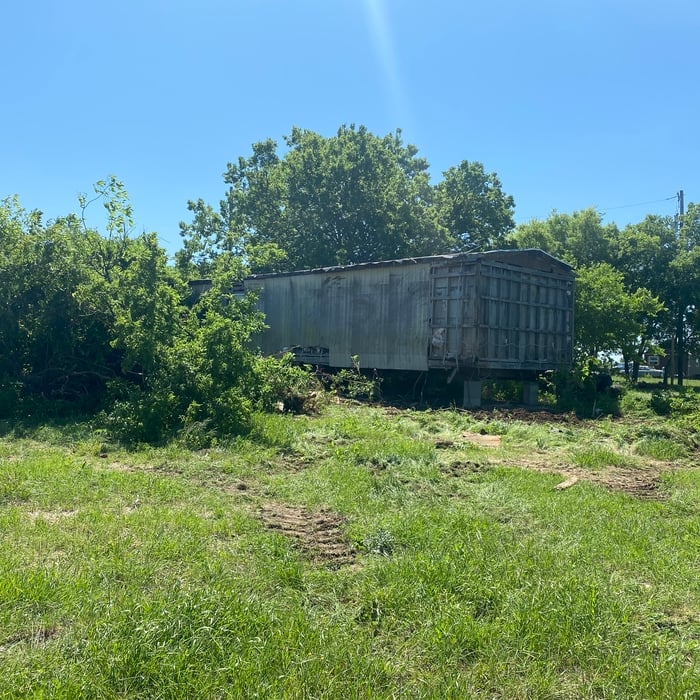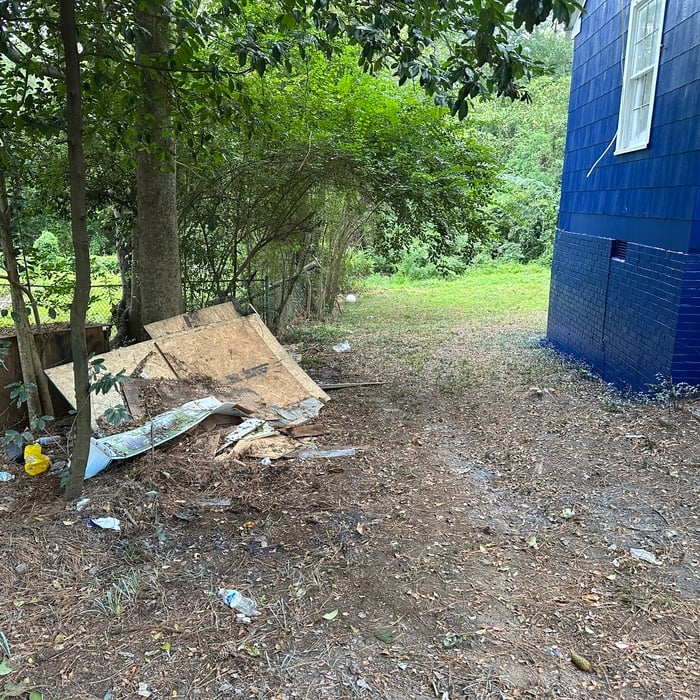







Top-rated excavation pros.

Get matched with top excavation pros in Jacksonville, TX

Enter your zip and get matched with up to 5 pros

Need a pro for your excavation project in Jacksonville, TX?

Select your specific project to find the pro for you.

TRUSTED BY JACKSONVILLE, TX HOMEOWNERS

  • Average homeowner rating star icon4.7
    Average homeowner rating
  • Verified reviews icon23
    Verified excavation services reviews

Find Excavation pros in Jacksonville

Avatar for Brushwacker Land Services LLC
Brushwacker Land Services LLC
5.0(
29
)
Landscape - Minor Grading or ReslopingBuilding Site - Preparation and ClearingBuilding Site - Preparation and Clearing - For Business+2 more

Serving Jacksonville, TX and surrounding areas

Approved

In business since 2020

Free estimates

Credit card accepted

"Scott came out and mowed our pond levies on three ponds and cleared all the overhang and growth on our driveway. I have to say Scott exceeded my expectations! We are so pleased! We will definitely be using him again in the future for other services he offers. We would highly recommend Scott. He is thorough and very reasonable on his pricing."
Mulching
Excavation
Ice Storm Clean Up
1 neighbors recently requested a quote
Recommended by62%of homeowners
ETEX Building Solutions
5.0(
5
)
Building Site - Preparation and ClearingBuilding Site - Preparation and Clearing - For BusinessExcavation - Major Grading or Resloping+1 more

Serving Jacksonville, TX and surrounding areas

Approved

In business since 2009

Free estimates

Credit card accepted

"Tommy Spell and crew went above and beyond our expectations! Excavated pond that was a dry hole. Holding water now beautifully! Cleared acres of neglected land. Fixed fencing. Was a wonderful experience! Thank you so much. Bryon Cummins."
Response time8 hrs
Recommended by100%of homeowners
C/E Trucking n Moving
5.0(
10
)
Building Site - Preparation and Clearing - For Business

Serving Jacksonville, TX and surrounding areas

Approved

Free estimates

Emergency services offered

Small jobs welcome

"Rick and his crew were especially polite, thoughtful, and caring while they moved us across town. They were careful with our furniture, our flooring (no scraping or marring of new wood floors), and our walls (no bumping into walls or doorways). They went the extra mile for us and worked until nearly midnight to finish the job. Very, very happy with this crew. Highly recommend C E Trucking and Movers."
Response time7 hrs
Response rate100%
2 neighbors recently requested a quote
...
Showing 1-10 of 133
Excavating questions, answered by experts

You do not have to dig footers for a deck as long as it meets local code and holds up to weather in your area. If you live somewhere that experiences high winds and earthquakes, you may need to dig for your deck posts. Deck blocks, post anchors with base plates, and helical pile systems are the three no-dig deck post options you can choose from if local code permits.

Trenching is a specific kind of digging. Trenching means digging a depression in the earth that’s deeper than it is wide, often with heavy machinery. Digging refers to any kind of removal of earth in order to create a human-made depression, hole, or cut in the earth’s surface. You can dig with big tools or even with just a hand shovel.

Some two-in-one tools and machines do both jobs, and those could be the right solution for smaller residential projects. However, the phrase “use the right tool for the job” definitely applies to digging. For the best results, get two separate tools for your trenching and landscape edging projects or call a pro to take care of everything for you.

Excavation is priced in cubic yards, so you’ll need to find the volume of the area in order to calculate costs. Multiply the length, width, and proposed depth of your excavation site, then convert it into yards to get the volume. Multiply this figure by the price per cubic yard.

Most homeowners can measure by hand to get a rough estimate, even if it’s tedious. You may want to pull out a tape measure or use a string to help mark the area.

Septic drain lines (or leach lines) are typically buried between 18 and 36 inches underground, and should be at least 6 inches below the surface. These pipes are perforated and surrounded by filtering materials like sand or gravel. Burying the lines at this depth helps minimize odors and allows bacteria and other biological processes in the soil to effectively treat the wastewater. Burying lines too close to the surface can cause issues unless the soil is very compact and stable.

The Jacksonville, TX homeowners’ guide to excavation services

From average costs to expert advice, get all the answers you need to get your job done.