





Top-rated excavation pros.

Best excavation pros near Murchison, TX

Enter your zip and get matched with up to 5 pros

Need a pro for your excavation project in Murchison, TX?

Select your specific project to find the pro for you.

TRUSTED BY MURCHISON, TX HOMEOWNERS

  • Average homeowner rating star icon5
    Average homeowner rating
  • Verified reviews icon28
    Verified excavation services reviews

Top-Rated Excavation pros in Murchison - Updated Nov 2026

Avatar for Compean Excavation
Compean Excavation
New to Angi
Building Site - Preparation and ClearingBuilding Site - Preparation and Clearing - For BusinessExcavation - Major Grading or Resloping+1 more

Serving Murchison, TX and surrounding areas

Approved

Free estimates

Small jobs welcome

Offers commercial services

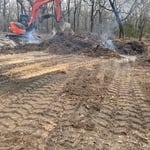
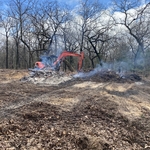
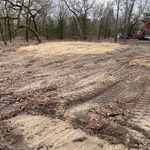
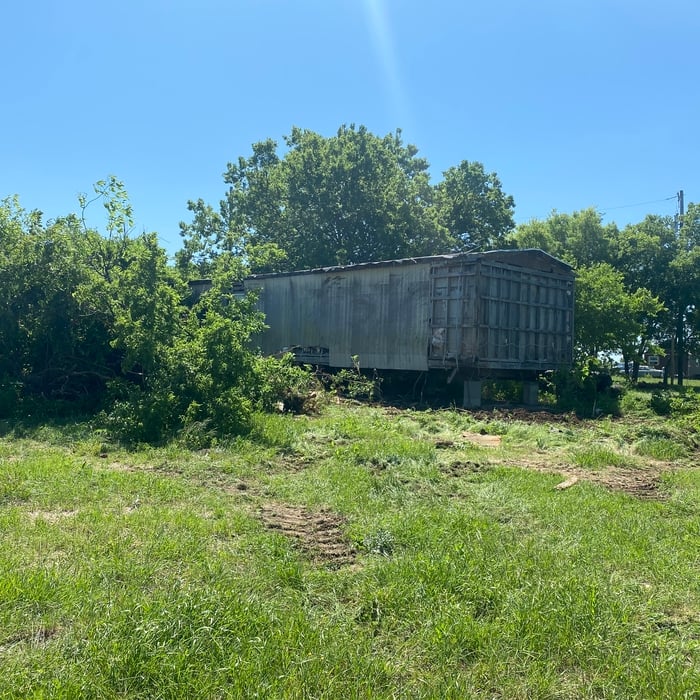
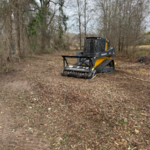
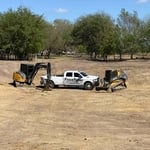
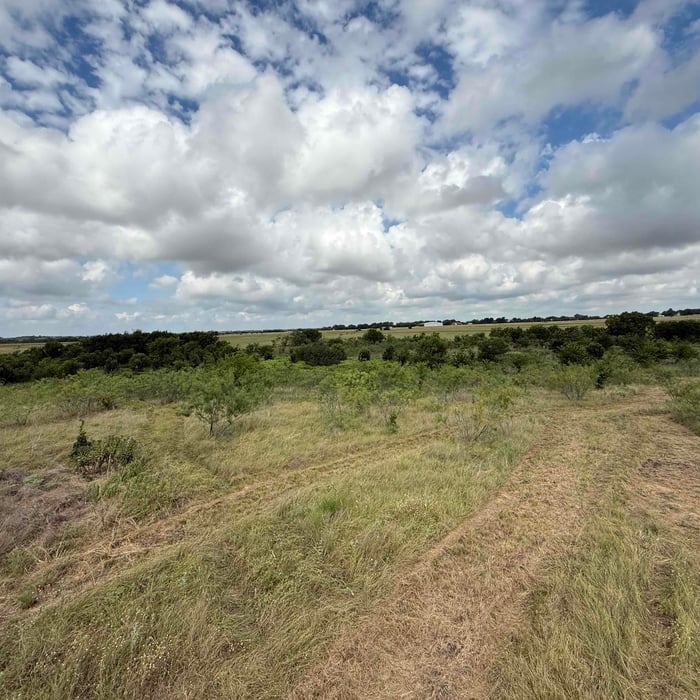
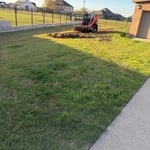
Skid Steer Operator for Hire – Site Prep & Dirt Work\n\nNeed dirt moved or land cleared? \nProfessional skid steer services available with an experienced operator. From small cleanups to full site prep, no shortcuts—just solid work.\n\nBrush clearing, grading, driveways, pads, trenching, and more. Residential and commercial jobs welcome. Serving North Texas.\n

Finished Grading
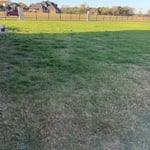
Finished Grading
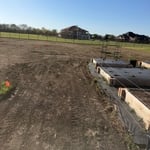
Finished Grading
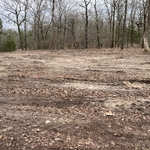
Cedar Hill Project
Avatar for Royal C grading and excavation
Royal C grading and excavation
New to Angi
Building Site - Preparation and ClearingExcavation - Major Grading or ReslopingLandscape - Minor Grading or Resloping+2 more

Serving Murchison, TX and surrounding areas

Approved

Free estimates

Emergency services offered

Small jobs welcome

Hello im Osvaldo castruita , after years of working and perfecting my crafts I’ve decided to go out on my own to provide the best service possible to meet customers wants and needs. I’ve worked as a heavy equipment operator doing everything from clearing land , digging ponds, grading land , and driveways. Also building outdoor kitchens , flower beds and hardscape .

3 neighbors recently requested a quote
...
Showing 1-10 of 163
Excavating FAQs, answered by experts

Trenching and boring are two distinct methods for installing underground utilities. Trenching involves digging a channel using equipment like an excavator, trencher, backhoe, or shovel. While it is a simpler process, it causes significant disruption to the surface, landscaping, and surrounding ecosystems.

Boring, also known as directional boring, is a less invasive alternative that uses a drill to create a tunnel for utility lines without disturbing the surface. This method is more precise and is ideal for installations that need to go underneath buildings, roads, or bodies of water. Although boring is less disruptive, it is generally more expensive than trenching.

The average cost of excavation is approximately $3,200, with typical projects ranging from $500 to $15,000. Depending on the contractor, you may be charged between $50 and $200 per cubic yard or an hourly rate of $40 to $180 for an excavation specialist. The total cost is influenced by several factors, including the project size, the amount of soil to be removed, and the soil's condition. Hard soil, tree roots, or excessive rocks and clay can increase the price, potentially adding $200 to $1,200 to the final bill. Other factors that can drive up costs include the presence of nearby structures that complicate the work or tight spaces that require manual excavation instead of heavy machinery.

The best method for digging a trench depends on the scope of the project. For a short, shallow trench (less than 2 feet deep) in light, soft soil, digging by hand may be sufficient. However, digging by hand is labor-intensive, so consider the effort required. A machine trencher is the better option for longer trenches (over 100 feet), deeper ones, or when dealing with difficult soil conditions, such as rocky or hard ground, or obstructions like tree roots. A machine can save significant time and energy in these situations.

You can bury underground electrical wire six inches deep—but only if you use a rigid metal electrical conduit. For rigid, non-metallic conduits, bury the wire at least 12 inches deep. If using an underground feeder cable rated for direct burial, you'll need to place it at least 18 inches deep, as it has no conduit for extra protection.

There are many ways to cut through roots when digging, especially if your trencher doesn’t seem to be removing the roots. First, use a shovel to expose the roots. Then, use gardening shears to clear out smaller roots or a reciprocating saw to remove larger plant roots. If you plan on keeping the plant, avoid cutting any roots over 2 inches thick.

The Murchison, TX homeowners’ guide to excavation services

From average costs to expert advice, get all the answers you need to get your job done.