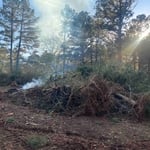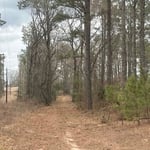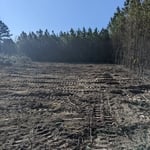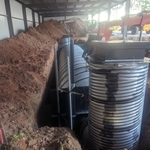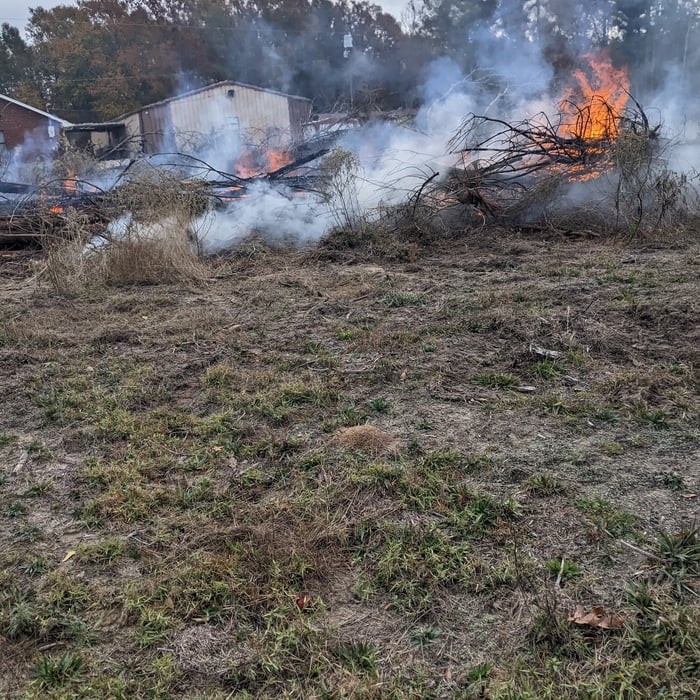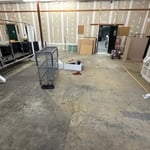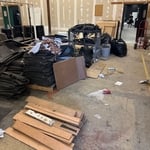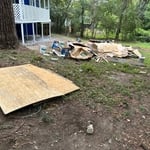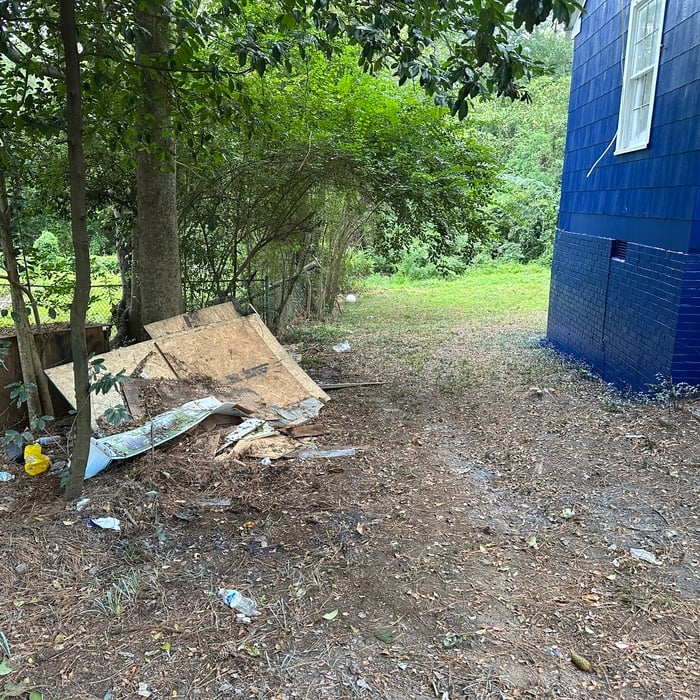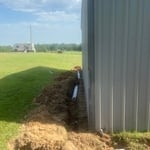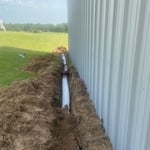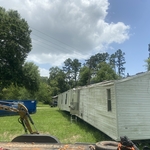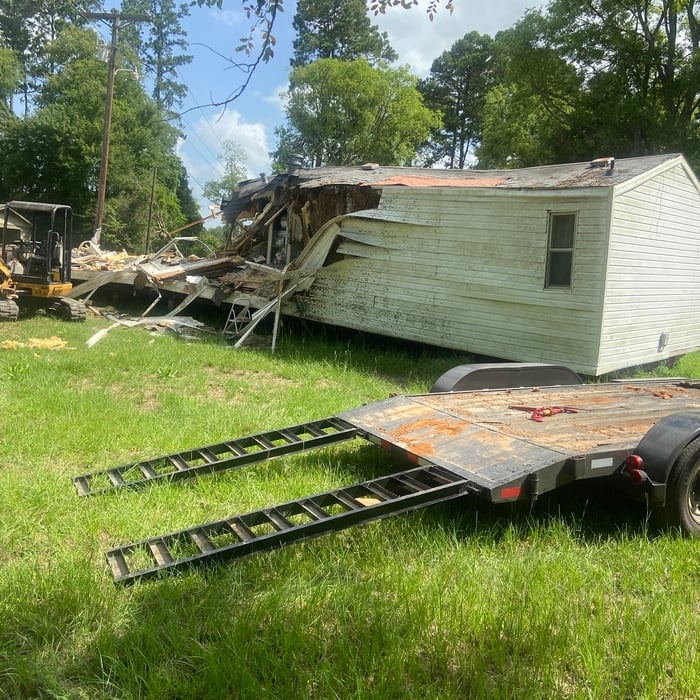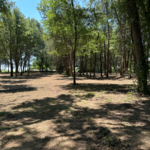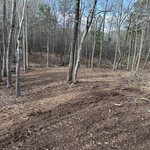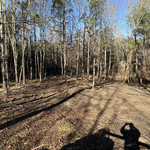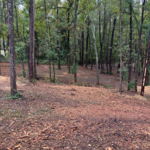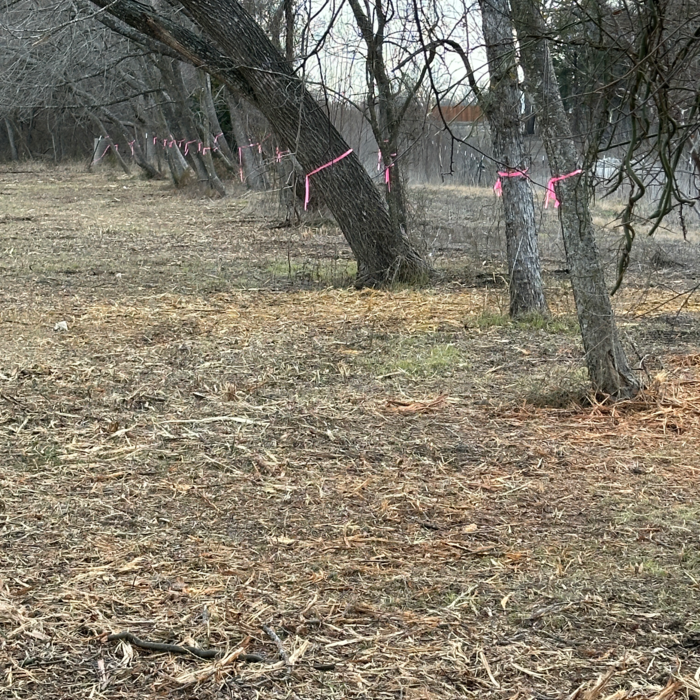

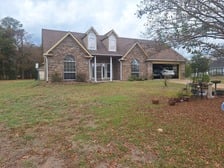


"I was asked to check on my families farm property while visiting Dallas. I drive to east Texas and saw it in disarray. I extended my stay and looked for companies to clear the property on short notice. Scott came gave me a very reasonable estimate. By the end of the week he brought his crew, equipment, and they cleared and cleaned my families property in a day. They were very knowledgeable and helpful. I would recommend them to anyone and plan on using them to maintain the property moving forward. Great job!"
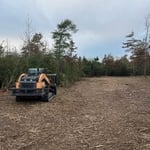
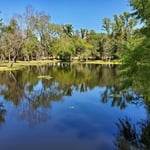
"Excellent job! Mr. Hicks is very safety oriented and obviously has years of experience operating. From the excavation to the finishing touches and leveling the gravel, it could not have gone better. I will definitely be calling him again and I highly recommend him for whatever you’re needing from excavation, clearing, he even put in a new spillway and raised the water level on my pond. Thanks again sir."
"Aaron Hicks met with me promptly and had a plan to fix my water problems with grading and sloping my yard, then resodding it. He did the work when he told me he would, and priced it within my budget."
"This is hands-down the best company Iâ  ve ever seen theyâ  re quick to respond. They do what they say theyâ  re going to do for the best price."
"I hired Mr. Hagen and his team to clear a little over 10 acres and fix a pond dam for me. I am happy to say I was so pleased with the results. They were awesome at communicating and providing details and updates of the work they were doing. My land has never looked better!!"
Excavation is priced in cubic yards, so you’ll need to find the volume of the area in order to calculate costs. Multiply the length, width, and proposed depth of your excavation site, then convert it into yards to get the volume. Multiply this figure by the price per cubic yard.
Most homeowners can measure by hand to get a rough estimate, even if it’s tedious. You may want to pull out a tape measure or use a string to help mark the area.

Dumpsters work best on hard, study, and level surfaces made of asphalt, stone, or concrete. If the surface is uneven or too soft, the dumpster could get stuck or tip over when filled. Keep in mind that you must obtain a dumpster permit to keep it on a city street in many areas.
To determine whether your homeowners' insurance will cover crawl space repair, consider the cause of the issue. Repair may be covered if the problems were caused by an event that the insurance covers, such as vandalism or a windstorm. However, companies won't cover the repair if the issues are caused by neglect or wear and tear.
Trenchers can dig holes as narrow as 4 inches or as wide as 4 feet. Check the specifications of the trencher you rent or buy to determine how wide it will cut into the landscape. Better yet, let the excavation company know how wide you’d like the trench to be, and they can help you choose the right trencher for the job (or do it for you).
A crawl space can be as little as 42 inches below the grade of your house, but this is not always recommended in flood-prone areas. At a minimum, there must be at least 16 inches of clearance between the ground and the floor joists to access the space in an emergency.
The Gladewater, TX homeowners’ guide to excavation services
From average costs to expert advice, get all the answers you need to get your job done.
Excavation costs $1,500 to $6,300 for most residential projects—but it depends on factors like the size of the area. This guide will help you plan a budget.
You can't have an in-ground pool without digging into the ground. How much does pool excavation cost, and can you take it on yourself? Our guide explains.