




Top-rated excavation pros.

Get matched with top excavation pros in Troup, TX

Enter your zip and get matched with up to 5 pros

Need a pro for your excavation project in Troup, TX?

Select your specific project to find the pro for you.

TRUSTED BY TROUP, TX HOMEOWNERS

  • Average homeowner rating star icon4.8
    Average homeowner rating
  • Verified reviews icon36
    Verified excavation services reviews

Find Excavation pros in Troup

Avatar for Brushwacker Land Services LLC
Brushwacker Land Services LLC
5.0(
29
)
Building Site - Preparation and ClearingExcavation - Major Grading or Resloping - For BusinessLandscape - Minor Grading or Resloping+2 more

Serving Troup, TX and surrounding areas

Approved

In business since 2020

Free estimates

Credit card accepted

"I was asked to check on my families farm property while visiting Dallas. I drive to east Texas and saw it in disarray. I extended my stay and looked for companies to clear the property on short notice. Scott came gave me a very reasonable estimate. By the end of the week he brought his crew, equipment, and they cleared and cleaned my families property in a day. They were very knowledgeable and helpful. I would recommend them to anyone and plan on using them to maintain the property moving forward. Great job!"
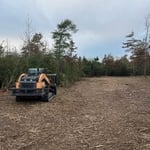
Mulching
Excavation
Ice Storm Clean Up
3 neighbors recently requested a quote
Recommended by62%of homeowners
Avatar for Bankard Services
Bankard Services
5.0(
6
)
Building Site - Preparation and ClearingBuilding Site - Preparation and Clearing - For BusinessExcavation - Major Grading or Resloping+1 more

Serving Troup, TX and surrounding areas

Approved

Free estimates

Emergency services offered

Small jobs welcome

Maintenance professional with 20+ years of experience in mechanical systems, troubleshooting, and repair. I specialize in home repairs, fixture installs, drywall patching, and custom solutions—including welding and light fabrication. I take pride in clean, reliable work and showing up on time.\n\nI’m especially good at solving problems other contractors can’t or won’t take on. Whether it’s a small repair or a list of projects, I focus on getting it done right the first time. No sewer or major plumbing work.

Metal Fabrication
Metal Fabrication
Metal Fabrication
Metal Fabrication
Metal Fabrication

+10

1 neighbors recently requested a quote
...
Showing 1-10 of 143
Excavating questions, answered by experts

In the United States, a depth of 36 inches (three feet) for underground water lines is the accepted industry standard. This depth varies from location to location based on local conditions. In areas with colder winters, they may be buried deeper to prevent frozen well water pipes : This is usually at least six inches below the frost level. The International Plumbing Code calls for a minimum of 12 inches below grade.

To locate an underground downspout, you should start by identifying where the above ground gutter drains. Look for an entry point, such as a pipe or elbow leading into the ground. Follow the surface path for signs like depressions, landscaping disruptions, or wet areas after rain. You can use a metal detector or plumber’s snake to trace the pipe underground. For deeper pipes, a professional locator tool or camera inspection may be necessary. Visual markers or utility maps can also guide the search.

A crawl space can be as little as 42 inches below the grade of your house, but this is not always recommended in flood-prone areas. At a minimum, there must be at least 16 inches of clearance between the ground and the floor joists to access the space in an emergency.

The best method for digging a trench depends on the scope of the project. For a short, shallow trench (less than 2 feet deep) in light, soft soil, digging by hand may be sufficient. However, digging by hand is labor-intensive, so consider the effort required. A machine trencher is the better option for longer trenches (over 100 feet), deeper ones, or when dealing with difficult soil conditions, such as rocky or hard ground, or obstructions like tree roots. A machine can save significant time and energy in these situations.

The digging depth will depend on the size of the trencher you use. Even smaller units can dig up to 4 feet deep, which is plenty for a DIY job. However, much larger trenchers can reach a depth of 18 feet and are better used by a team of pro contractors, not a single DIYer. As with all home improvement projects, use the right tool for the job and proceed with caution.

The Troup, TX homeowners’ guide to excavation services

From average costs to expert advice, get all the answers you need to get your job done.