







Top-rated arborists.

Get matched with top arborists in Utica, NE

Enter your zip and get matched with up to 5 pros

Need a pro for your arboricultural service project in Utica, NE?

Select your specific project to find the pro for you.

TRUSTED BY UTICA, NE HOMEOWNERS

  • Average homeowner rating star icon4.1
    Average homeowner rating
  • Verified reviews icon17
    Verified arboricultural services reviews

Find Arborists in Utica

Avatar for M. S. Wiekhorst Arbor Company
M. S. Wiekhorst Arbor Company
5.0(
10
)

Serving Utica, NE and surrounding areas

Free estimates

Emergency services offered

Warranties offered

"The services performed went as smooth as expected. Mike was able to trim our biggest tree and remove an entire evergreen that had been exposed to bag worms. The work was quick and efficient and I would highly recommend him to anyone. We will definitely utilize his expertise in the future."
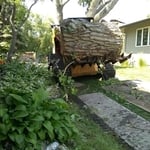
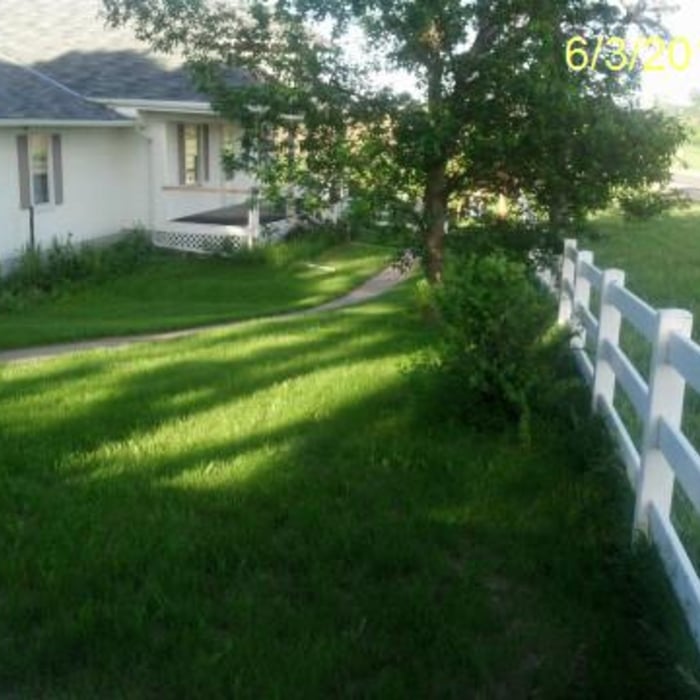
Large Cottonwood Removal

+12

Response time2 days
Recommended by100%of homeowners
Arborists questions, answered by experts

Transporting a fully-grown tree requires heavy equipment, typically specialized for the task. A tree spade is a truck-mounted tool that removes the tree from the ground in one location, transports it, and places it in a new hole in a new location. A combination of mechanized shovels and lifts is necessary to move very large trees, and the exact tools often depend on location and the surrounding area.

You may need permission to take a tree down. Check with your local ordinances about rules regarding tree removal and to gain any necessary permits. Check with your local ordinances or the fire department if you plan to burn the stump. Make sure you have all the steps in place before removing the tree, or contact a local tree removal service.

All of the tree root removal methods mentioned above are effective on any kind of root, whether it’s still growing or simply needs a gentle nudge to finish decomposing. The only difference is that larger roots tend to be harder to remove and may require multiple chemical treatments as well as manual labor to eradicate.

Pruning can impact cold hardiness—but it’s less about the exact temperature and more about temperature variation. Generally, you don’t want to prune trees when there’s a risk of temperatures suddenly dropping from 50 to 60 degrees Fahrenheit to 0 degrees Fahrenheit or below. A tree is most sensitive until 48 hours after it’s pruned.

The best tool to cut trees is a chain saw. You can adjust your chain saw to the correct size based on the size of the branches, offering you the fastest and cleanest cut for medium- to large-sized trees. Depending on the type of chainsaw you use, you can cut through larger trees than you would with a more manual tool like an ax.

The Utica, NE homeowners’ guide to arboricultural services

From average costs to expert advice, get all the answers you need to get your job done.