






Top-rated arborists.

Get matched with top arborists in Fairmont, NE

Enter your zip and get matched with up to 5 pros

Need a pro for your arboricultural service project in Fairmont, NE?

Select your specific project to find the pro for you.

TRUSTED BY FAIRMONT, NE HOMEOWNERS

  • Average homeowner rating star icon4.2
    Average homeowner rating
  • Verified reviews icon14
    Verified arboricultural services reviews

Find Arborists in Fairmont

Almic tree solutions
New to Angi
Tree RemovalTree Trimming

Serving Fairmont, NE and surrounding areas

In business since 2025

Free estimates

Emergency services offered

We are a locally owned and operated company that values honesty and integrity and treats your home as if it were our own. We specialize in interior painting and provide unmatched customer service! You will find us to be competitively priced, paying close attention to the details of each and every project that we are involved with. We look forward to building lasting relationships and guarantee your satisfaction!\n

Arborists questions, answered by experts

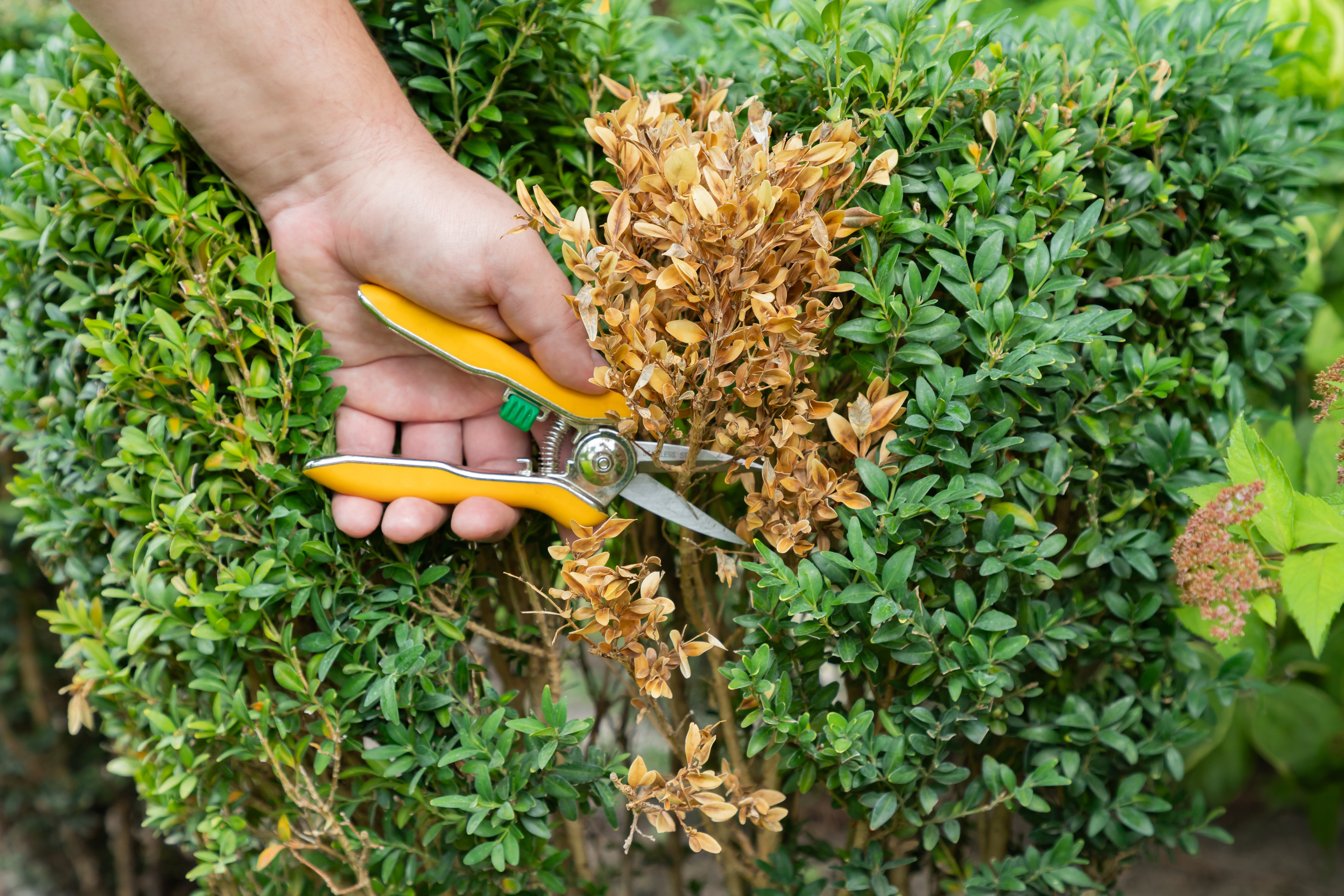
Pruning trees is important for several reasons. It improves tree health and strength by removing dead, diseased, or unwanted branches, which in turn encourages new growth and can help treat disease. For fruit trees, proper pruning can lead to a larger and better-quality harvest. Pruning also enhances safety by removing weak limbs that could break and fall, potentially causing injury or property damage, especially during storms. Beyond these functional benefits, pruning can also improve a tree's appearance. To ensure pruning is done correctly for the tree's long-term health, consider hiring a professional.

Dead trees are dangerous for several reasons. They are structurally compromised and prone to branch or trunk failure, which can pose a significant safety risk to people, vehicles, and nearby structures. Dead trees can also harbor pests like termites, which may spread to other trees or your home. If a tree died from a disease, it could spread the illness to healthy trees. Additionally, the dry wood is highly flammable, increasing fire risk.

The best time to trim trees is in late fall through winter when the tree has slowed its growing for the year. Cold weather stops insects and fungal growth from attacking a new tree wound. Summer and fall are considered the worst times to trim trees, but it’s permissible in certain scenarios, such as tree disease, damaged branches, or small, aesthetic cuts.

It depends on the type of tree. Typically, late spring on the cusp of winter is ideal for trees about to emerge from dormancy and produce new buds. That said, late fall is ideal for certain deciduous trees prone to bleeding sap. Avoid trimming trees in early spring, when they’re prone to disease.

Tree trimming can count as landscaping, depending on how a landscaping business describes its services. Professional tree trimmers are more specialized than landscapers and offer trimming services separately from general landscaping.

When general landscaping companies offer tree trimming, look up the details. They usually mean shaping or seasonal trimming of ornamental trees, which is different from trimming larger trees for health or safety reasons. When possible, look for a licensed expert that specializes in trees and tree health.

The Fairmont, NE homeowners’ guide to arboricultural services

From average costs to expert advice, get all the answers you need to get your job done.