







Top-rated arborists.

Get matched with top arborists in Crete, NE

Enter your zip and get matched with up to 5 pros

Need a pro for your arboricultural service project in Crete, NE?

Select your specific project to find the pro for you.

TRUSTED BY CRETE, NE HOMEOWNERS

  • Average homeowner rating star icon4.8
    Average homeowner rating
  • Verified reviews icon19
    Verified arboricultural services reviews

Find Arborists in Crete

Avatar for M. S. Wiekhorst Arbor Company
M. S. Wiekhorst Arbor Company
5.0(
10
)

Serving Crete, NE and surrounding areas

Free estimates

Emergency services offered

Warranties offered

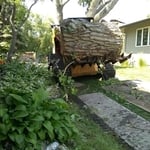
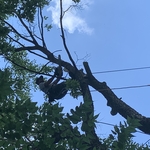
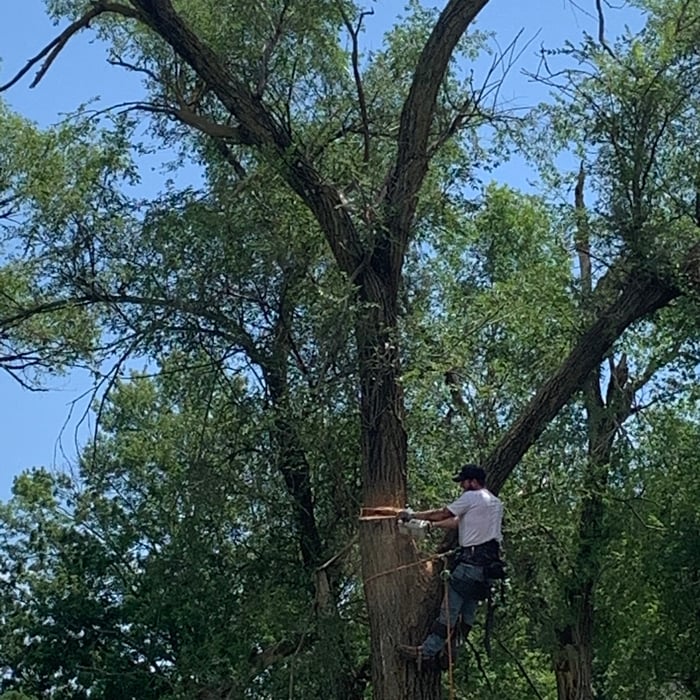
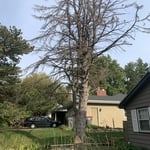
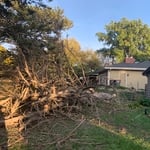
"The services performed went as smooth as expected. Mike was able to trim our biggest tree and remove an entire evergreen that had been exposed to bag worms. The work was quick and efficient and I would highly recommend him to anyone. We will definitely utilize his expertise in the future."
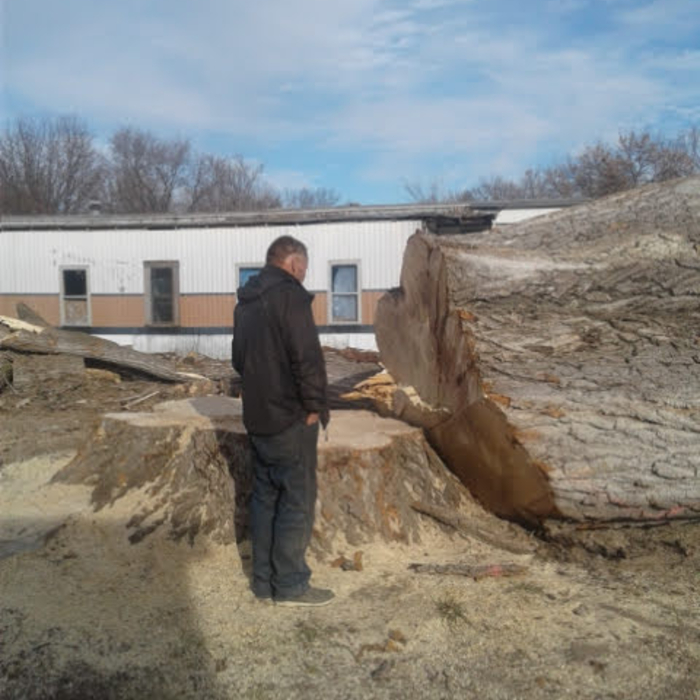
Large Cottonwood Removal

+12

Response time2 days
Recommended by100%of homeowners
ARBORx Tree Enterprises
New to Angi

Serving Crete, NE and surrounding areas

In business since 1979

Free estimates

ARBORx Tree Enterprises is committed to excellence in every aspect of our business. We uphold a standard of integrity bound by fairness, honesty and personal responsibility. Our distinction is the quality of service we bring to our customers. Accurate knowledge of our trade combined with ability is what makes us true professionals. Above all, we are watchful of our customers interests, and make their concerns the basis of our business.\n\n\n

Response time10 hrs
Total Construction Services Inc
3.6(
17
)

Serving Crete, NE and surrounding areas

In business since 1988

Free estimates

Emergency services offered

"After 3 years following a complete roof replacement on 3 structures, I developed leaks on the corners in 6 locations, seemingly a product failure. Total provided Saturday service and ordered the correct color and re-scheduled for install. Their work came with a 5 year warranty, which was easy and no hassle getting done. Their staff remains professional and office staff tries hard to keep us informed through the repair. We have previously met and worked with the owner of Total, Kevin Jackson, truly a man of integrity, hard to find in roofers. It is my pleasure to recommend this company and I have.
"
Recommended by72%of homeowners
Showing 1-10 of 14
Arborists questions, answered by experts

While trees can grow in the curb strip between the sidewalk and the street, this placement often poses the problem of interfering with overhead power lines. It’s best to consult your local utility provider and tree planting service before transplanting a tree that might grow into power lines. Also, you should never work within 20 feet of a live power line to avoid the risk of electric shock. Tree branches should never touch nearby power lines, so it’s essential to ensure your tree isn’t in danger of growing too close to them.

Common signs that a tree is rotting include dead branches, a leaning trunk, peeling or cracked bark, leaf discoloration, and the presence of fungi. If you notice any of these signs, it’s best to hire an arborist near you to inspect your tree and determine if it can be saved or if it needs to come down.

Rock salt or Epsom salt can damage and kill tree roots over several weeks and can even assist in removing the tree's stump. However, you need to drill holes or cut into the stump and surface tree roots to inject them properly with the salt. Repeat the process every two weeks until the roots visibly rot away.

The best way is to start controlling tree height long before it grows too large, via careful pruning through the years. But that’s not always possible. If a tree has become too high or too large, use selective pruning to remove the most troublesome branches, one by one, without topping the tree. Gently shaping a tree like this can, over time, correct problems. You can also find growth inhibitors to spray on a tree to stop it from growing too rapidly, but use these sparingly if at all.

The best time to transplant a tree is when it is dormant. For many trees, this means either in the fall after the leaves have dropped (around October or November) or in early spring before new growth begins (around March). The ideal timing can depend on the type of tree. Deciduous trees do well when moved in early spring or fall, while evergreens are best transplanted in early spring or late summer. For example, pine trees are best moved in early fall, but maples prefer late fall. Avoid transplanting in winter, as the frozen or hard, cold soil poses a significant risk to the roots and prevents the tree from acclimating properly.

The Crete, NE homeowners’ guide to arboricultural services

From average costs to expert advice, get all the answers you need to get your job done.