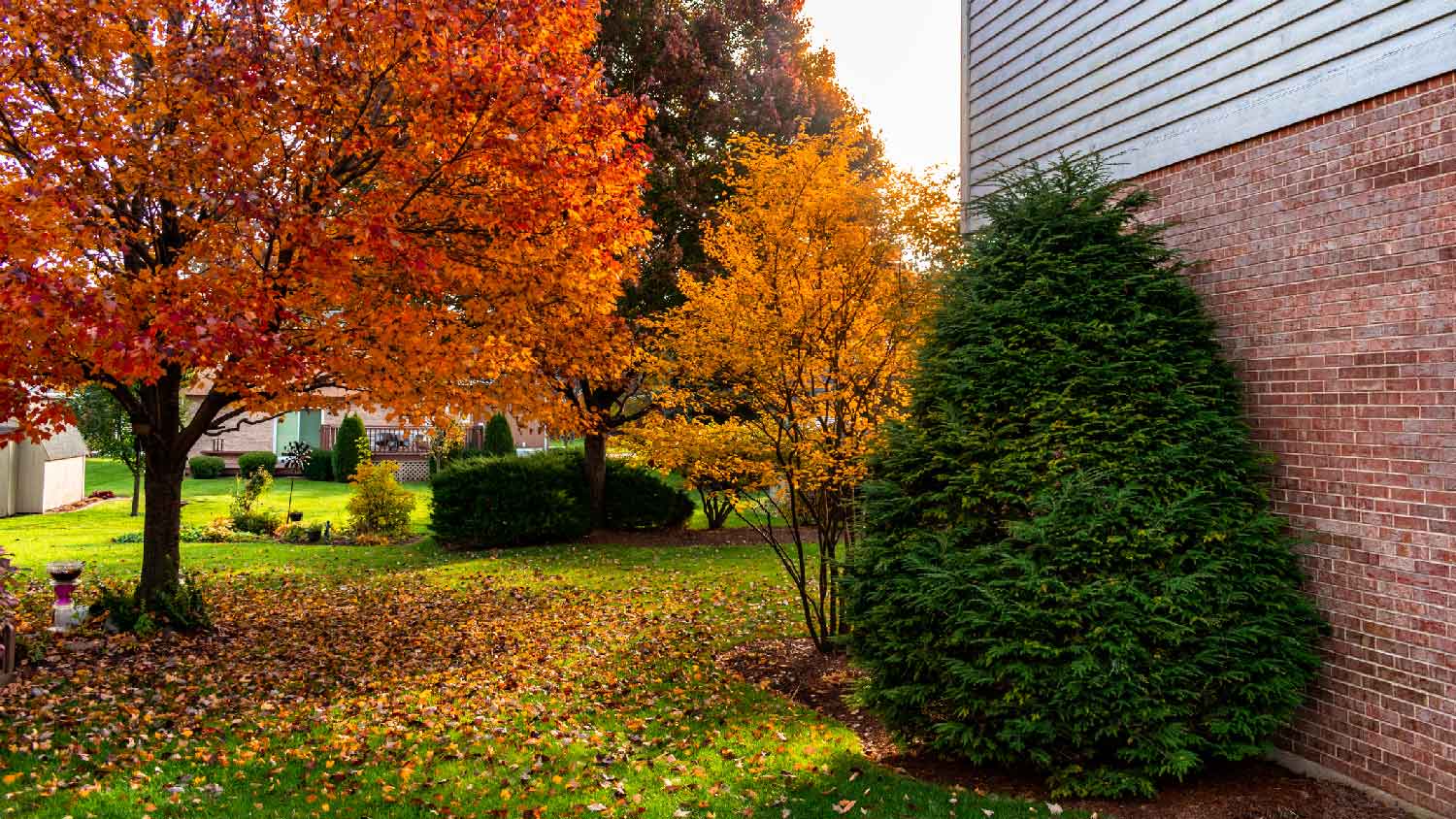
Never do this when cutting down a tree. Instead, follow our guide to safely remove a diseased, dying, or overgrown tree from your property.
It cuts both ways

Trees help prevent soil erosion when your property has sloped areas, as their roots spread wide and deep to anchor soil while their canopy redirects rainfall.
Your trees increase property value between $1,000 and $10,000 when mature, and they lower energy bills by providing shade in summer and windbreaks in winter.
You protect local biodiversity by keeping trees on your property, as they provide habitats for birds, squirrels, and other wildlife while encouraging native plant growth.
Hiring a local tree service professional provides reliable guidance when you need to remove dead or diseased trees safely while protecting healthy trees on your property.
From the mighty maple to the evergreen forests, trees provide us with fuel, endless beauty, and the very air we breathe. In short, we cannot imagine our lives without them, so we compiled 10 reasons why we should not cut down trees. However, some situations, like removing a dead tree, require hiring a local tree cutting professional to remove it safely. Check out our list and learn why it’s important to keep most trees intact.
Tree removal poses significant risks, especially when cutting down large trees. To ensure your safety, hire a professional tree removal service and maintain a safe distance from the fall zone during the operation.

We all know that humans (and almost all living things) need oxygen. Trees use photosynthesis to turn carbon dioxide into oxygen. In fact, according to the United States Department of Agriculture, in one day, one large tree can produce a day’s supply of oxygen for four humans.

Trees can store carbon dioxide in their fibers, which can reduce the negative effects of carbon dioxide on the environment. The Arbor Day Foundation says that in one year a single, mature tree could actually absorb over 48 pounds of carbon dioxide. Since carbon dioxide is the lead contributor to greenhouse gasses, this is a critical role in fighting against global warming. And of course, the trees release oxygen in exchange.
Another benefit of trees around the world is that they have been shown to contain vital, active ingredients and healing properties that have long been used in cultures around the world as medicine. Many of these are now also the building blocks of modern medicine. The bark of the Pacific yew tree (Taxus) is an ingredient in a chemotherapy drug. And it’s well known that the bark of the willow tree contains an active ingredient (salicin) that acts much the same as aspirin as a pain reliever.
The cutting down of trees not only in our own backyards but in rainforests and large areas where deforestation means that we are threatening our future medicine chest. It’s possible that we are cutting down plants and trees that contain the key to fighting global diseases and epidemics.
It may seem like an obvious thing, but whether it’s a home in the countryside or a tree-lined street in the heart of the city, having a tree to look at just changes your outlook, literally and figuratively. That beauty comes with good news for your home’s value, too. Healthy trees can increase your home’s property value. In fact, a mature tree can add value between $1,000 and $10,000, according to the Council of Tree and Landscape Appraisers.

A mature tree not only provides cool shade to lounge under on a hot day in the summer, but it can also lower your overall energy bill. If your tree is close enough to your house to provide a significant amount of shade, it can reduce the amount you need to run your air conditioning in the summer by keeping it cooler. But trees can also help keep your home a bit warmer in the winter by providing a windbreak, especially if you consider planting evergreens.
Even if you live in the middle of the suburbs or the heart of a bustling city block, trees can provide you and those around you with a connection to nature. Being able to listen to the rustle of the wind through the leaves or watch the change of seasons can keep you connected even when a walk in the woods can’t happen. Plus, those squirrels and birds are pretty cute, right?
Speaking of nature, a single tree doesn’t just house a single bird. You’ll find it can be home to quite a few critters and is a hotbed of excitement. From buzzing bees to gentle butterflies to chippy chipmunks and busy birds, even one tree can support the habitat of woodland creatures to keep you entertained for seasons.
If you’re worried that your tree is unhealthy or you're considering cutting it down, consult with a nearby tree care service first. Finding someone who specializes in tree care should be the first step, as you may well find someone who can save your dying tree and bring it back to life.
Erosion doesn’t just happen on sandy beaches or dried-out hills: It’s a problem in many climates and situations, including the banks and slopes of many backyards. Anywhere water can easily run off and carry topsoil (and chemicals) can have a problem with erosion, making it difficult for plants to grow and ruin landscaping. While we often think of grass and ground cover as key blockades against erosion, trees play a vital role, too.
The tree’s crown creates a valuable canopy that absorbs water and redirects rainfall, preventing heavy runoff that creates erosion. A tree’s shade creates a sheltered spot for grasses to grow and prevent additional surface-level erosion. Plus, tree roots spread wide and deep, providing a firm anchor against erosion.
Any potentially harmful chemicals that runoff may contain are often filtered out by tree roots (with trees acting as a more resistant repository), keeping them from poisoning nearby lakes, rivers, or oceans.
Do you live in a dry climate or an area that experiences hot summers? Your nearby trees may be helping more than you think. Once trees start to mature, their own water needs are relatively modest. But the shade they provide keeps water from evaporating too quickly, so it has more opportunities to sink into the soil and help shallow-growing plants.
Trees also conduct a process called transpiration, where leaves and new growth constantly release a small amount of water. Just by being present, trees help increase the nearby moisture in the air. In large numbers, tree transpiration can help encourage the formation of clouds, and contribute to the entire water cycle.
Many of the factors mentioned above—providing shade, preventing erosion, and helping water linger—are excellent for overall biodiversity. Nearby trees encourage and protect many kinds of plant growth, including native species, flowers, and shrubs in your garden.
Deciduous trees contribute even more when they shed their leaves, creating a layer of protection against the cold and even adding valuable carbon to the soil (or to your compost pile) when the leaves decompose. Bugs, worms, birds, squirrels and other wildlife congregate as a result, too.
Finally, when trees die, their decomposition cycle provides a vital shelter for animals, fungi, and even young saplings, continuing to encourage diversity for years after the tree has fallen. It’s easy to see why more trees often equals more biodiversity.
This service was great. My air conditioner went out during the heat spell that we had. My husband has health issues and they came out that night and at 9:30pm the air conditioner was fixed and running. We are sooo very thankful, this is the company I will be using from now on and would...
 Mr. Mechanical Ohio
One of my old tall evergreen trees was suddenly leaning toward the busy street in front of my house. I submitted a request for an emergency tree inspection, and Alejandro, owner of Cajete Tree Service, contacted me immediately and arrived to look at it just 20 minutes later. We agreed the...
 Cajete Tree Service LLC
1 tree was cut down and 5 others including a large willow tree were trimmed. The Grant Tree Service men were professional and cleaned up afterwards. The cost of the 6 trees were affordable. I am very happy with the results. I would hire them again.
 Grants Tree Service
D1 Roofing delivers outstanding service from beginning to end, backed by a strong warranty and expert teams. I highly recommend them for their excellence in meeting and surpassing expectations with unmatched communication. Choosing D1 Roofing was flawless decision
 Division 1 Roofing LLC
Promptly arrived for quoting! Demonstrated superb customer service, affordable pricing, and completed service swiftly! Looking forward to the spring for our service!
 All Star Paving and Sealing
Seth was very professional, prompt in responding to queries about the work required , gave sincere advice as to what would be best for tree trimming and did the job timely.
Ace Fireplace Services' chimney sweep service is truly exceptional. They used advanced technology to ensure a thorough cleaning process, and my chimney has never looked better. I highly recommend their services.
 Ace Fireplace Services
I definitely recommend Ramonaâ s cleaning service! I have booked services with her many times and she arrives on time, ready to work and provides a great service.
 Your Cleaning Solutions LLC
Webb â s was priced well, flexible on scheduling, great with communication, and detailed in their work. Iâ ll definitely use their services again.
 Webbs Pressure and Paint LLC
Great tree company, very professional and honest. Glad we found them, they had the best pricing
From average costs to expert advice, get all the answers you need to get your job done.
Never do this when cutting down a tree. Instead, follow our guide to safely remove a diseased, dying, or overgrown tree from your property.
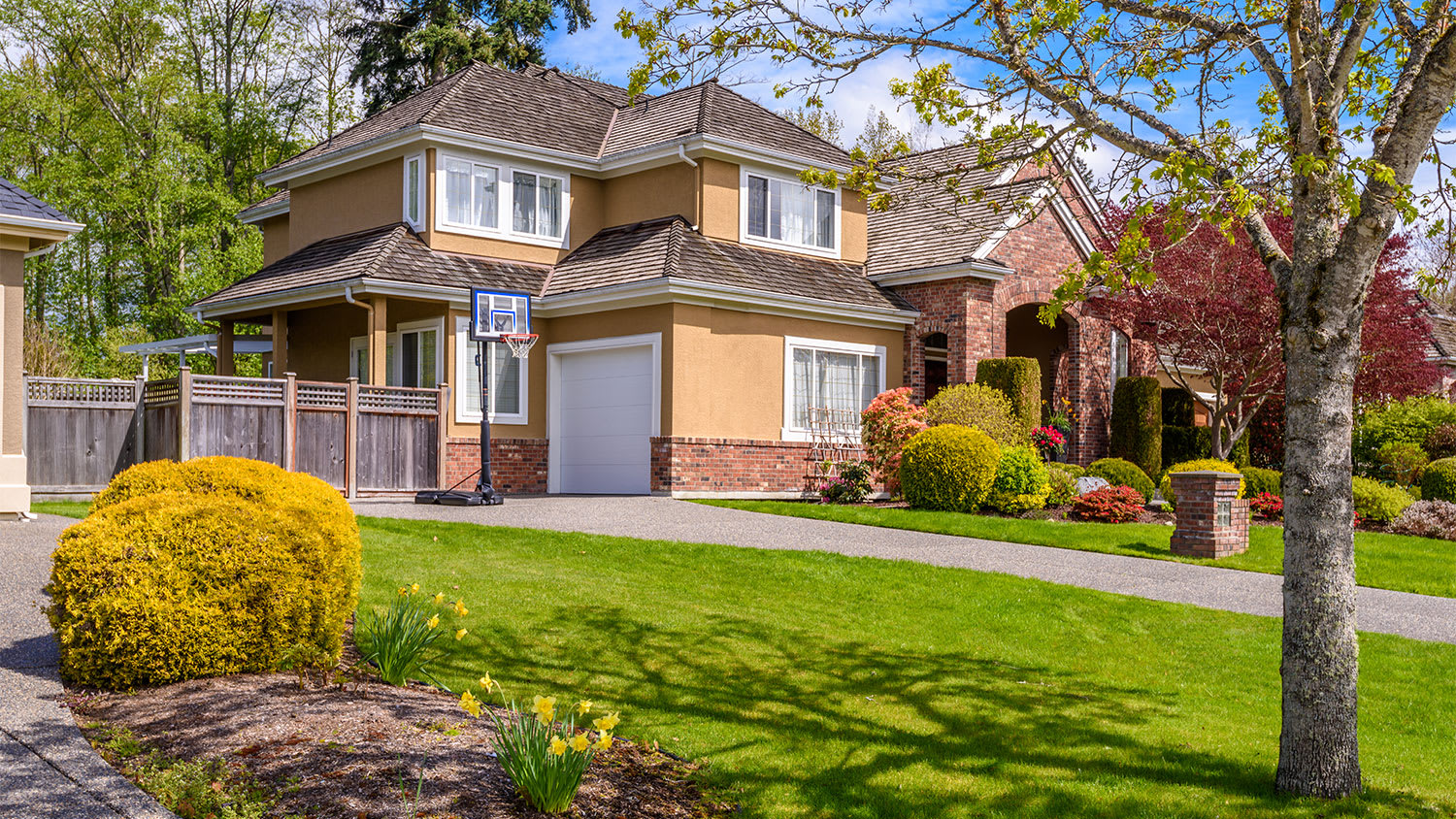
Ready to learn how to cut down a tree in your yard? Follow this DIY guide to find out how to safely fell a tree with a chainsaw.

A dead or dying tree on your property usually calls for removal. Damaged or diseased trees may be fixable. Find out the signs your tree needs to be removed.
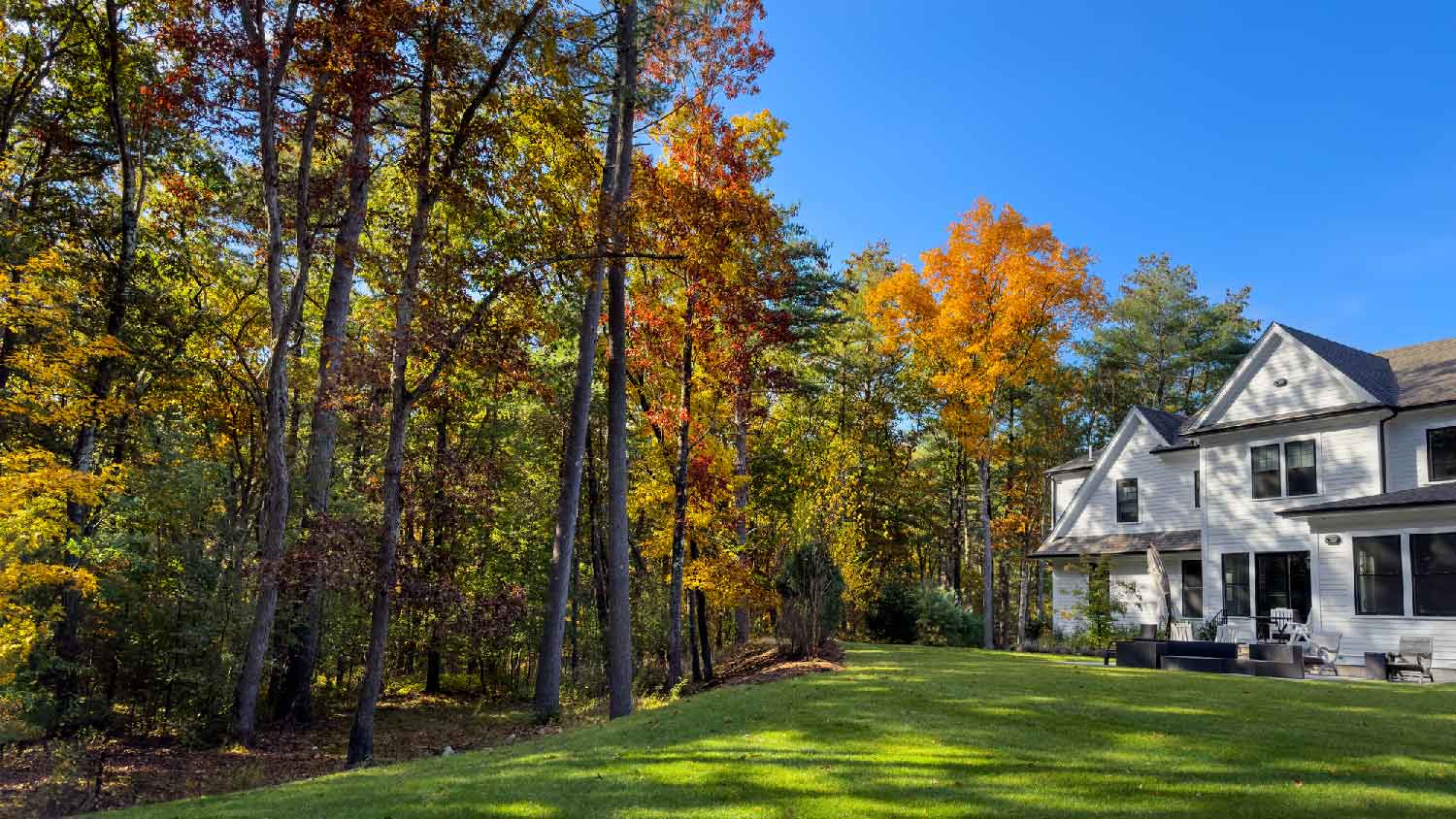
Not sure who to call to cut down your tree? Learn what type of company to hire and how the process works with this step-by-step guide.

Can you cut down a tree on your property? There are laws about trees and chopping them down, so read this guide before you start a tree clearing project.

Tree felling requires strategic cuts to make the tree land accurately. Check out the types of tree felling cuts and notches used for various conditions.