





Top-rated arborists.

Get matched with top arborists in Henderson, NE

Enter your zip and get matched with up to 5 pros

Need a pro for your arboricultural service project in Henderson, NE?

Select your specific project to find the pro for you.

TRUSTED BY HENDERSON, NE HOMEOWNERS

  • Average homeowner rating star icon3.9
    Average homeowner rating
  • Verified reviews icon24
    Verified arboricultural services reviews

Find Arborists in Henderson

Avatar for TURBO TREE & LAWN SERVICE LLC
TURBO TREE & LAWN SERVICE LLC
4.8(
11
)

Serving Henderson, NE and surrounding areas

Approved

In business since 2025

Free estimates

Credit card accepted

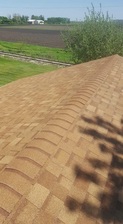
"These guys came out immediately and gave me a reasonable quote. Job was completed fast and they did an excellent job. No complaints and will be recommending to other people in my area."
project photos
project photos
project photos
project photos
12 neighbors recently requested a quote
Avatar for R&B Home Services
R&B Home Services
5.0(
2
)

Serving Henderson, NE and surrounding areas

In business since 2021

Free estimates

Offers commercial services

"Super knowledgeable and friendly and helpful crew. Took down 100+ ft. tree. Cleaned up and hauled away all debris. Even did a small indoor job for me. will rehire them for more jobs. Excellent!!"
Response time2 days
Recommended by100%of homeowners
Showing 1-10 of 17
Arborists questions, answered by experts

Completely topping a plum tree is a risky business. Cut too much, and you’ll kill your tree. That said, you do need to trim the top of your tree to encourage bushy growth, maintain your tree’s vase shape, and limit size. 

A plum tree's central leader (or trunk) should never extend more than 3 feet above the highest branch. When you first plant your tree, cut the central leader so it’s 2 to 3 feet tall. As it grows, cut it back 12 to 20 inches until it reaches its desired height. Never prune more than one-third of the new growth.

Yes, it is essential to confirm that any tree service company you hire is properly insured before they begin work. Tree removal, trimming, and pruning are dangerous jobs, and proper insurance protects you, your home, and the company from liability in case of accidents or damage. Look for a company that carries both general liability and workers’ compensation insurance, and do not hire one that cannot provide proof of coverage. When browsing for professionals, you can look for indicators like an “Angi Approved” badge, which signifies that the business meets standards like holding applicable licenses and passing a background check. Keep in mind that a license is a legal requirement to operate, while certifications are typically voluntary.

Generally, you do not have the right to take fruit from a neighbor's tree, even if the branches overhang your property. The fruit is considered the property of the tree's owner. While you may have the right to trim branches that cross into your yard, the fruit on them typically still belongs to your neighbor. However, laws can vary by state and municipality. In some areas, branches that extend into your yard or trees that straddle a property line may entitle you to some of the fruit. The best course of action is to speak with your neighbor, as they may be happy to share. If a conversation is not possible, check your local regulations before picking any fruit.

A tree growing close to a house can pose several risks, but removal isn't always the only or best solution. Potential problems include roots growing into the foundation and causing structural cracks, branches damaging the roof or promoting moss growth, and debris clogging gutters, which can lead to water damage. Trees can also provide access for pests and encourage mold. However, a small, healthy tree may not be a problem, and for larger, established trees, strategic trimming can be a cheaper and more beneficial alternative to removal. It is generally recommended to take action for trees within 10 to 20 feet of your home, especially if they are unhealthy or encroaching. Your best bet is to consult a professional arborist who can assess the specific situation and provide expert advice.

You can use the formula mentioned earlier to calculate the depth of tree roots. Each inch of width of a tree trunk translates to six inches of depth within the root system. Large trees extend anywhere from 2 to 6 feet into the ground, with some magnificent specimens going even deeper.

The Henderson, NE homeowners’ guide to arboricultural services

From average costs to expert advice, get all the answers you need to get your job done.