



Get matched with top arborists in Aurora, NE
Top-rated arborists.

Need a pro for your arboricultural service project in Aurora, NE?

Select your specific project to find the pro for you.

Find Arborists in Aurora

Avatar for TURBO TREE & LAWN SERVICE LLC
TURBO TREE & LAWN SERVICE LLC
4.8(
11
)

Serving Aurora, NE and surrounding areas

Approved

In business since 2025

Free estimates

Credit card accepted

"These guys came out immediately and gave me a reasonable quote. Job was completed fast and they did an excellent job. No complaints and will be recommending to other people in my area."
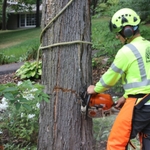
project photos
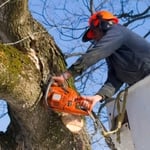
project photos
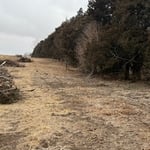
project photos
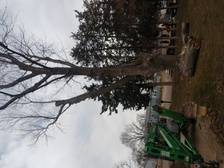
project photos
7 neighbors recently requested a quote

Showing 1-10 of 16
Arborists questions, answered by experts

The fastest ways to remove a tree stump are by grinding it or burning it.

Stump grinding is often the quickest method, with professionals able to chip away a stump and its roots within a single session. You have the option to hire a professional stump removal service or rent a stump grinder to do it yourself. However, it's important to note that these machines can be large, difficult to transport, and dangerous to operate without prior experience. For safety reasons, hiring a local arborist or landscape specialist is often recommended.

Burning is another fast option. Before you begin, check your local burn laws. The process involves drilling holes into the stump, filling them with vegetable oil, and waiting 24 to 48 hours. Afterward, you can add charcoal bricks to the surface and light the fire, which must be attended at all times.

For a more affordable but much slower alternative, you can use potassium nitrate pellets to accelerate the natural decomposition process. This method typically takes four to six months.

Stay inside or well away until the storm passes. Don’t go outside to inspect the tree until the weather clears, especially if the tree is on a hill or isolated in a field. Lightning often strikes the same easily-accessed places multiple times, and you could be a new target. If a lightning strike causes a noticeable fire, alert emergency services. When the storm is over, take a closer look to gauge the damage done.

Pruning can impact cold hardiness—but it’s less about the exact temperature and more about temperature variation. Generally, you don’t want to prune trees when there’s a risk of temperatures suddenly dropping from 50 to 60 degrees Fahrenheit to 0 degrees Fahrenheit or below. A tree is most sensitive until 48 hours after it’s pruned.

Yes, burning wood with Dutch elm disease is a safer way to dispose of it than, say, tossing it in with the rest of your yard waste, which could potentially allow it to spread to healthy trees. But it’s always a good idea to check with your local government to make sure you’re complying with any ordinances about removing diseased trees as well as burning brush piles.

A tree can grow back from its stump, but full regrowth is unlikely (especially for more stubborn conifer trees). Instead, trees are more likely to send up a number of shoots from the dead stump, which will try to develop into primary stems over time. In other words, it will start to look increasingly bushy. The goal of killing and drying out a tree stump is to prevent that from happening, as well as make the stump easier to completely remove.

The Aurora, NE homeowners’ guide to arboricultural services

From average costs to expert advice, get all the answers you need to get your job done.