



Top-rated arborists.

Get matched with top arborists in Wilber, NE

Enter your zip and get matched with up to 5 pros

Need a pro for your arboricultural service project in Wilber, NE?

Select your specific project to find the pro for you.

Find Arborists in Wilber

Avatar for M. S. Wiekhorst Arbor Company
M. S. Wiekhorst Arbor Company
5.0(
10
)
Tree RemovalTree Removal - For BusinessTree Stump - Remove+5 more

Serving Wilber, NE and surrounding areas

Free estimates

Emergency services offered

Warranties offered

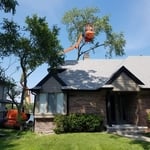
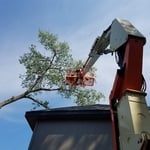
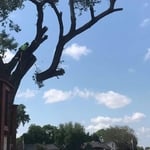
"The services performed went as smooth as expected. Mike was able to trim our biggest tree and remove an entire evergreen that had been exposed to bag worms. The work was quick and efficient and I would highly recommend him to anyone. We will definitely utilize his expertise in the future."
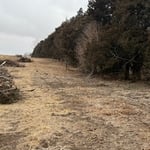
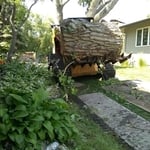
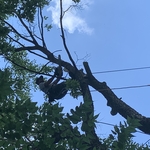
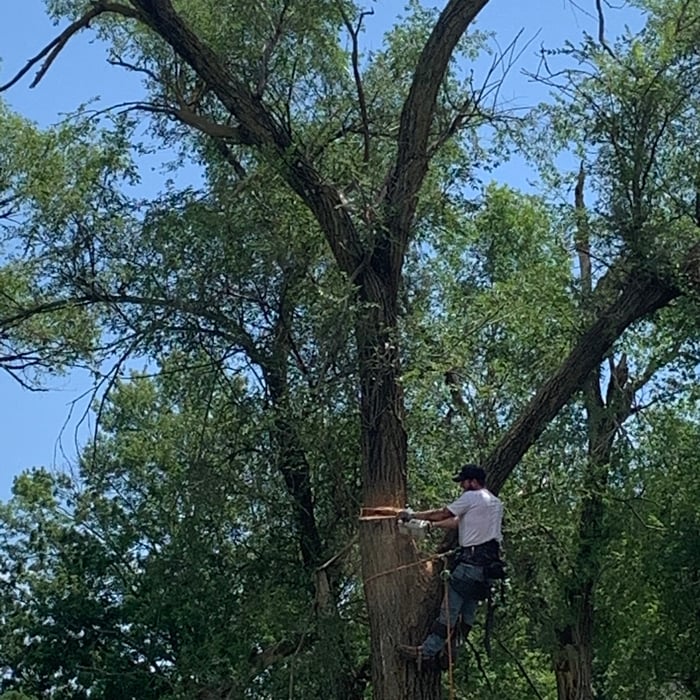
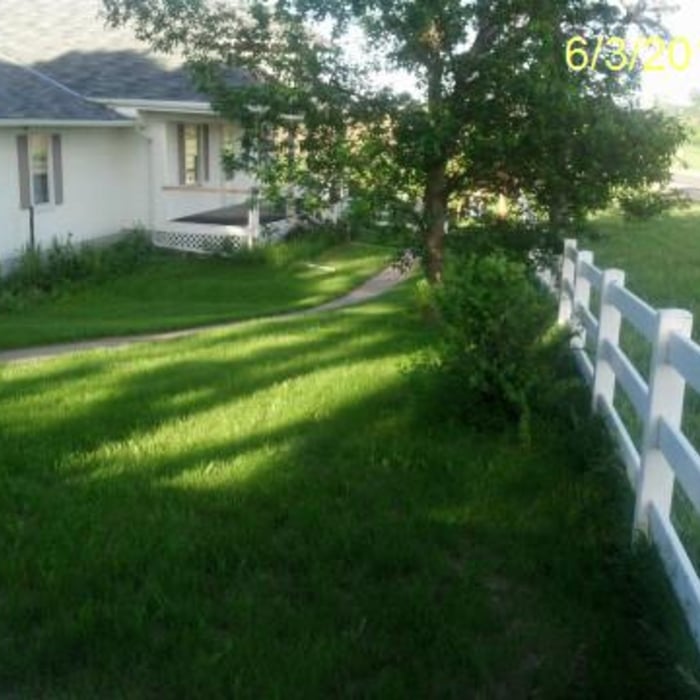
Large Cottonwood Removal

+12

Response time2 days
Response rate100%
Recommended by100%of homeowners
Showing 1-10 of 11
Arborists questions, answered by experts

You should avoid cutting off the top of mature cherry trees. This process is called tree topping, and it’s not recommended for cherry trees—or any trees, for that matter. Tree topping removes between one-third to half of the length of the tree trunk, resulting in structurally unsound, fruitless suckers. The only exception is for saplings. Young pie, sour, and tart cherry trees that are over 30 inches tall in the fall or winter before the tree blooms can benefit from heading cuts.

The best time to transplant a tree is when it is dormant. For many trees, this means either in the fall after the leaves have dropped (around October or November) or in early spring before new growth begins (around March). The ideal timing can depend on the type of tree. Deciduous trees do well when moved in early spring or fall, while evergreens are best transplanted in early spring or late summer. For example, pine trees are best moved in early fall, but maples prefer late fall. Avoid transplanting in winter, as the frozen or hard, cold soil poses a significant risk to the roots and prevents the tree from acclimating properly.

Early signs that a tree is struggling include premature leaf shedding and lesions or other strange markings. Peeling bark, dead or rotten branches on the ground, and a conspicuous lack of leaves can all be signs that a tree has started to die. By the time a tree starts leaning, it’s usually too far gone to save.

It depends on the type of tree. Typically, late spring on the cusp of winter is ideal for trees about to emerge from dormancy and produce new buds. That said, late fall is ideal for certain deciduous trees prone to bleeding sap. Avoid trimming trees in early spring, when they’re prone to disease.

Light-bark trees are most notorious for producing lots of sap when wounded. These varieties include maples, birches, poplars, dogwoods, magnolias, and elms, and they will bleed more when the trees are dormant. That’s why it’s a good idea to prune them in the summer months rather than waiting until winter.

The Wilber, NE homeowners’ guide to arboricultural services

From average costs to expert advice, get all the answers you need to get your job done.