






Top-rated arborists.

Get matched with top arborists in Central City, NE

Enter your zip and get matched with up to 5 pros

Need a pro for your arboricultural service project in Central City, NE?

Select your specific project to find the pro for you.

Find Arborists in Central City

Jones & Christensen Tree Services
New to Angi
Tree RemovalTree Stump - RemoveTree Trimming

Serving Central City, NE and surrounding areas

In business since 2014

Free estimates

Credit card accepted

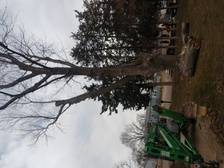
We are a locally owned and operated company that values honesty and integrity and treats your property with respect and care. We offer tree trimming and removal services that are customizable to the needs of the home or business owner. We pride ourselves on the quality of our work as well as our commitment to outstanding results. We look forward to building lasting relationships with our clients and guarantee your satisfaction!

Showing 1-10 of 14
Arborists questions, answered by experts

It is possible to cut down a tree on your property yourself, but it is generally not recommended unless specific conditions are met. You should only consider this project if the tree is small (e.g., under 4-5 inches in diameter and short enough that you don't need a ladder to reach the branches), and you are experienced in handling a chainsaw. The tree must also be located far from any power lines, fences, homes, or other structures. Even for small trees, the work can be dangerous, and it's always advisable to have a spotter to ensure the tree falls correctly and no branches fall on you.

For any tree that is large, requires a ladder to access, or is near electrical lines or structures, you should always hire a professional. Attempting to remove a large tree yourself is extremely dangerous, poses a risk of serious injury, and could result in significant damage to your property.

Before any tree removal, it's also important to check your local and state regulations to ensure the tree is not historic or otherwise protected by your city.

Whether tree roots will continue to grow after a tree has been cut down depends on the species. Some tree roots will eventually die because they can no longer get nutrients through photosynthesis. However, other species that reproduce through root sprouts can continue to grow and produce new sprouts for seven years or more. For example, the roots of elms, ficus, and willows tend to regrow aggressively, while the roots of pines, oaks, and maples will typically die. To determine if a root system is still active, look for new sprouts on the old trunk, stump, or any exposed roots.

In most ways, palm trees are incredibly low-maintenance. They don’t need a ton of water—which is why they’re so beloved in desert regions—and they basically prune themselves. But they do need an ample supply of sunlight and to be in soil that will allow for proper drainage so that their roots don’t become waterlogged and at risk of developing illnesses.

If the plant begins to wilt, develop spots, or change color, these could all be signs that your palm tree has a disease. But a few basic treatments, like pruning and applying fungicide, will usually be more than enough to return it to perfect health.

Yes, carefully prune back dead branches—don’t wait for pruning season. This helps keep your maple tree healthy and also helps prevent large branches from falling unexpectedly. Don’t seal the cut branch—trees can naturally take care of these wounds—but be sure to remove any source of fungus or pest infestation to help save the tree.

Leaving the tree stump and letting it rot is never a good idea, as this leads to insect infestations and other frustrations. Additionally, decomposing trunks are at risk for diseases that spread out to the remaining plants and trees in the yard, thus ruining your whole outdoor aesthetic. It's usually best to remove the stump at the same time you remove the tree.

The Central City, NE homeowners’ guide to arboricultural services

From average costs to expert advice, get all the answers you need to get your job done.