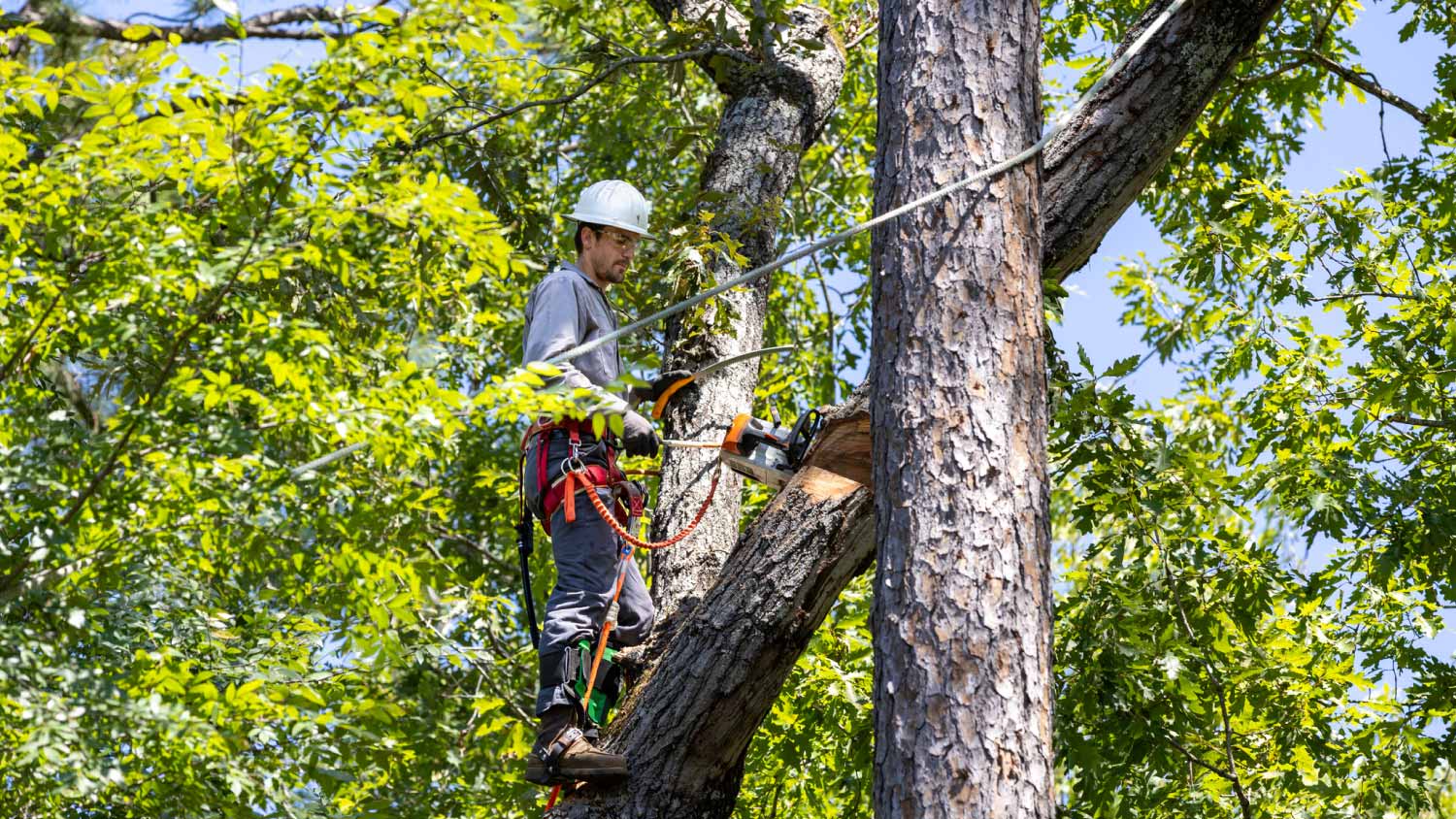







Top-rated arborists.

Get matched with top arborists in Milford, NE

Enter your zip and get matched with up to 5 pros

Need a pro for your arboricultural service project in Milford, NE?

Select your specific project to find the pro for you.

TRUSTED BY MILFORD, NE HOMEOWNERS

  • Average homeowner rating star icon4.7
    Average homeowner rating
  • Verified reviews icon23
    Verified arboricultural services reviews

Find Arborists in Milford

Avatar for M. S. Wiekhorst Arbor Company
M. S. Wiekhorst Arbor Company
5.0(
10
)
Tree RemovalTree Removal - For BusinessTree Stump - Remove+5 more

Serving Milford, NE and surrounding areas

Free estimates

Emergency services offered

Warranties offered

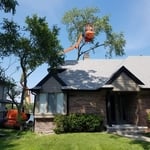
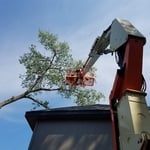
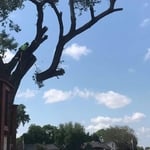
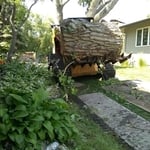
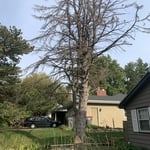
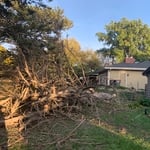
"The services performed went as smooth as expected. Mike was able to trim our biggest tree and remove an entire evergreen that had been exposed to bag worms. The work was quick and efficient and I would highly recommend him to anyone. We will definitely utilize his expertise in the future."
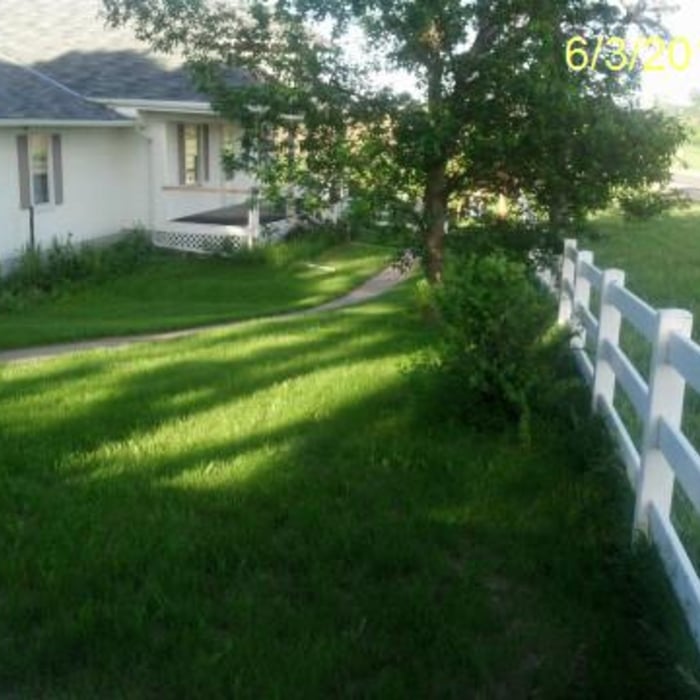
Large Cottonwood Removal

+12

Response time2 days
Response rate100%
Recommended by100%of homeowners
ARBORx Tree Enterprises
New to Angi
Trees & Shrubs - Treat, Protect and MaintainTrees & Shrubs - Treat, Protect and Maintain - For Business

Serving Milford, NE and surrounding areas

In business since 1979

Free estimates

ARBORx Tree Enterprises is committed to excellence in every aspect of our business. We uphold a standard of integrity bound by fairness, honesty and personal responsibility. Our distinction is the quality of service we bring to our customers. Accurate knowledge of our trade combined with ability is what makes us true professionals. Above all, we are watchful of our customers interests, and make their concerns the basis of our business.\n\n\n

Response time10 hrs
Showing 1-10 of 11
Arborists questions, answered by experts

A chainsaw is the best tool to cut down a tree, but you may also use a handsaw or ax. You may also want to use a lopper or pole saw to remove limbs before cutting down the tree. Wear chainsaw chaps and protective gear, including eyewear and earplugs if you use a chainsaw. Again, if you’re unsure about how to use this tool, this project may be one to skip.

Light-bark trees are most notorious for producing lots of sap when wounded. These varieties include maples, birches, poplars, dogwoods, magnolias, and elms, and they will bleed more when the trees are dormant. That’s why it’s a good idea to prune them in the summer months rather than waiting until winter.

A dead tree should always be cut down, because it could fall and cause injuries or damage, and it can also attract insects like carpenter ants. A tree that’s diseased beyond repair should also be cut down, but it’s not always easy for a homeowner to tell. Signs of disease include dying branches, a hollow trunk, leaning, and discolored or missing leaves, but your best bet is to hire a local arborist who can evaluate the tree and tell you if it can be saved or should be cut down.

The exact answer to this question depends on which region of the country you’re talking about, but according to various tree counts, some of the most common types of trees in the United States include red maple, Douglas fir, quaking aspen, loblolly pine, and sweetgum.

All of the tree root removal methods mentioned above are effective on any kind of root, whether it’s still growing or simply needs a gentle nudge to finish decomposing. The only difference is that larger roots tend to be harder to remove and may require multiple chemical treatments as well as manual labor to eradicate.

The Milford, NE homeowners’ guide to arboricultural services

From average costs to expert advice, get all the answers you need to get your job done.