






Top-rated arborists.

Get matched with top arborists in Tekamah, NE

Enter your zip and get matched with up to 5 pros

Need a pro for your arboricultural service project in Tekamah, NE?

Select your specific project to find the pro for you.

Find Arborists in Tekamah

Avatar for M. S. Wiekhorst Arbor Company
M. S. Wiekhorst Arbor Company
5.0(
10
)

Serving Tekamah, NE and surrounding areas

Free estimates

Emergency services offered

Warranties offered

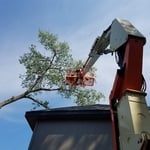
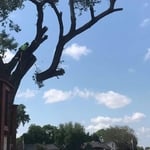
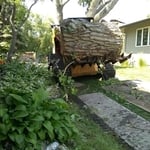
"The services performed went as smooth as expected. Mike was able to trim our biggest tree and remove an entire evergreen that had been exposed to bag worms. The work was quick and efficient and I would highly recommend him to anyone. We will definitely utilize his expertise in the future."
Large Cottonwood Removal

+12

Response time2 days
Response rate100%
Recommended by100%of homeowners

Arborists questions, answered by experts

No, homeowners insurance typically does not cover the cost of removing a dead, sick, or rotting tree that is still standing. Insurance is designed to protect against sudden and unexpected accidents, whereas a tree dying or rotting over time is considered a maintenance issue. Coverage usually only applies after a tree has fallen and caused damage to your property.

The best time to cut down a tree is during its dormant season, typically in winter or early spring, after all the leaves have fallen. Removing a tree during this period is advantageous for several reasons. Frozen ground helps secure the tree stump, protects the surrounding landscape from damage, and reduces the risk of the tree falling in an unintended direction. With the leaves gone, there is less risk of the tree's foliage getting tangled with other trees. Additionally, since this is often a slower season for tree services, you may be able to hire a professional at a lower rate. This dormant period is also the best time for tree trimming.

Some trees will bounce back just fine, and others will struggle and possibly die. Evergreens, for instance, have a very difficult time recovering after droughts and usually die after periods of extreme dryness. Usually, you’ll have to just wait and see—if the drought occurs in wintertime, it’s possible that your tree will recover during the gentler springtime.

It is possible to burn out a tree stump if it is dried out and in an area of your property with a large buffer. Drill holes in the stump and dig around the base so it burns more easily. Then, build a small campfire on top using kindling and firewood. You’ll need enough to keep the fire going for many hours to completely burn out the stump, especially if it’s large. 

Monitor the fire closely to ensure it doesn’t spread, and have a hose on hand if it starts to get out of control. When the fire is out, break apart the burned stump and dig out what’s left of it.  

If this sounds like a good option, learn more about how to burn a tree stump before attempting it, as it does come with risks.

Tree removal costs typically don’t include stump removal, as that technically falls into a different service. The company you hire may offer the service for an additional fee; ask them if they offer it to ensure you get the best tree stump removal costs possible.

The Tekamah, NE homeowners’ guide to arboricultural services

From average costs to expert advice, get all the answers you need to get your job done.