

Top-rated drywall pros.

Get matched with top drywall pros in Twin Falls, ID

Enter your zip and get matched with up to 5 pros

Need a pro for your drywall service project in Twin Falls, ID?

Select your specific project to find the pro for you.

TRUSTED BY TWIN FALLS, ID HOMEOWNERS

  • Average homeowner rating star icon4.5
    Average homeowner rating
  • Verified reviews icon11
    Verified drywall services reviews

Find Drywall pros in Twin Falls

Avatar for Canyon Side Construction LLC
Canyon Side Construction LLC
4.3(
17
)
Drywall - InstallDrywall - Install - For BusinessDrywall - Repair+1 more

Serving Twin Falls, ID and surrounding areas

Approved

In business since 2023

Credit card accepted

Offers commercial services

"The best contractor and crew we have ever had the pleasure to work with. Communication, workmanship, cleanliness was all A . Armando is truly a man of his word and we look forward to working with him on other projects in the future. I would recommend him & crew for all your construction needs and desires. Call today- you won’t regret it!"
Response time3 days
11 neighbors recently requested a quote
Recommended by22%of homeowners
Avatar for Part Time Appliance Repair LLC
Part Time Appliance Repair LLC
5.0(
8
)
Drywall - Repair

Serving Twin Falls, ID and surrounding areas

Approved

In business since 2021

Emergency services offered

Small jobs welcome

"Peter removed and then replaced baseboards for our new flooring installation. Peter was very professional throughout the project. He made reasonable estimates for the work, arrived and completed the work on time and on budget. He was wonderfully detail-oriented and careful with his work. I highly recommend him for any job he takes on."
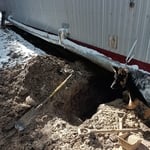
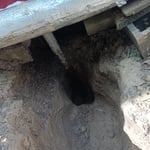
Cold, wet, and muddy
I think it was about 4 or 5 feet down
Fun project to dig into in the winter
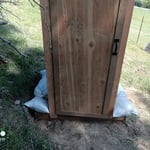
All done
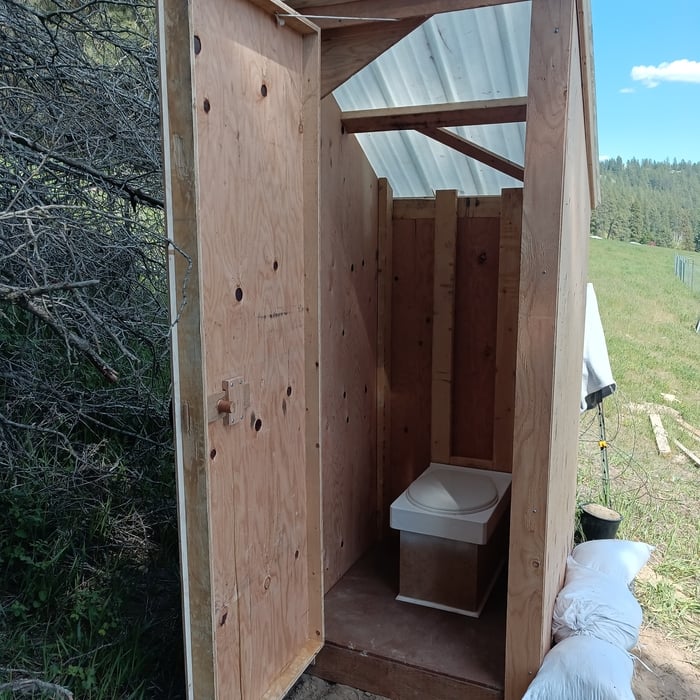
Built an outhouse

+21

Response time1 day
Response rate90%
6 neighbors recently requested a quote

Avatar for Daniels Construction LLC
Daniels Construction LLC
New to Angi
Drywall - Repair

Serving Twin Falls, ID and surrounding areas

Approved

I started Daniels Construction LLC because I believe customers deserve a contractor who communicates honestly, shows up when promised, and takes pride in doing the job right. Whether it’s a small repair, a remodel, or a larger construction project, I treat every job with the same attention to detail and commitment to quality.\nFor me, this business is about more than building and remodeling—it’s about building relationships and a reputation in the community I’ve called home and served for many years.

...
Showing 1-10 of 77
Drywall questions, answered by experts

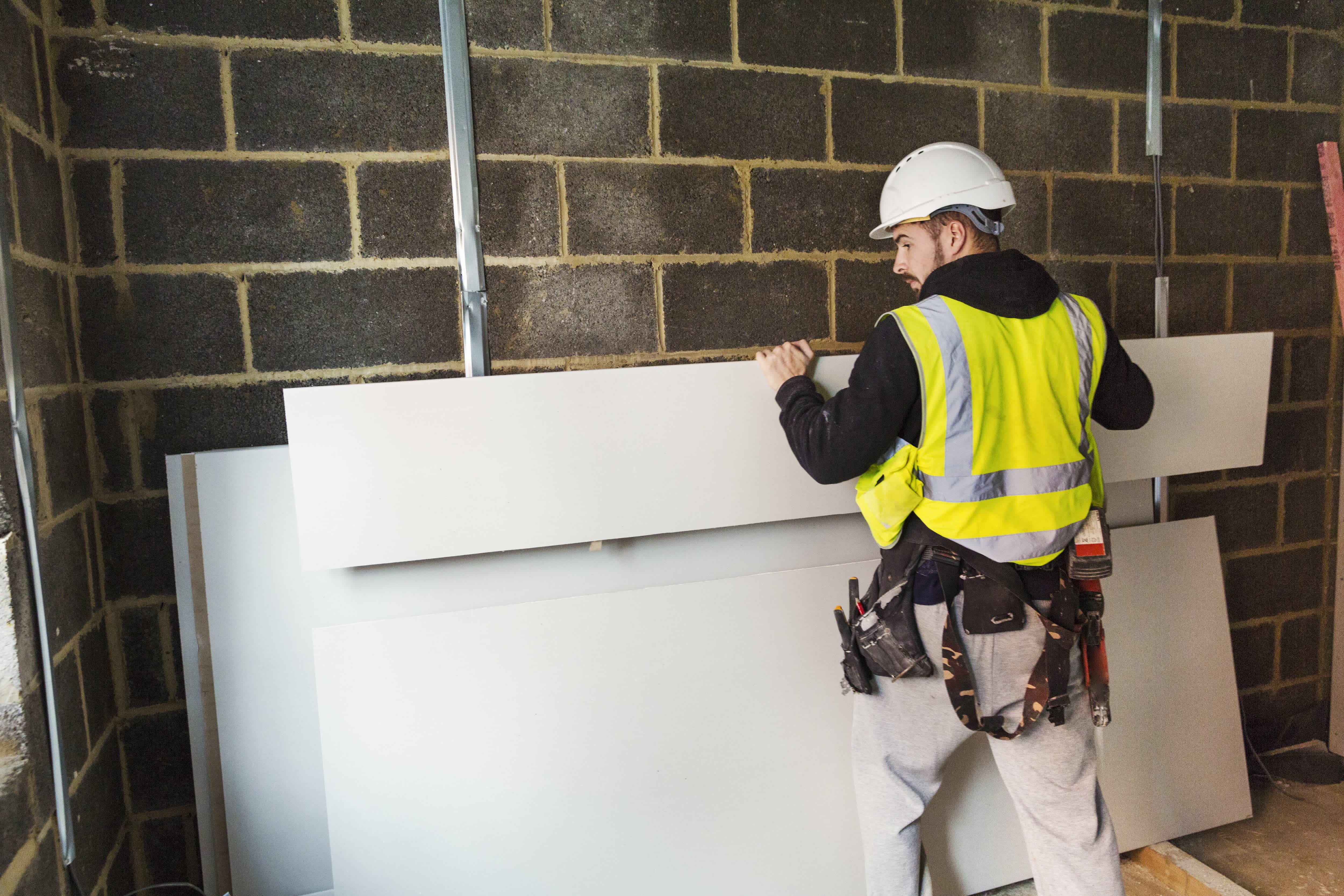
You should always hang drywall from the top down. Starting at the top makes it easier to create a straight, tight line between the ceiling and the wall. Any gaps that occur will be at the bottom, where they are easier to manage. You can either cut the bottom piece of drywall to fit the remaining space or cover the gap with baseboard trim. Additionally, starting at the top is physically easier, as you won't have to fit the top sheet into a tight space between the lower sheet and the ceiling, or try to balance the upper sheets on the lower ones while securing them.

A common cause of separation between a wall and the ceiling is truss lift—this can happen to the ceiling of rooms directly under the attic when the seasons change and wood building materials dry out, shrink, and shift. Roof trusses often dry out at different speeds, and if the bottom pieces dry out faster than the top pieces, they can shrink and pull the attached drywall away from ceilings and walls, causing cracks. Fortunately, truss lift is only a cosmetic problem, not a structural problem, and you can fix it by separating the ceiling drywall from the roof trusses, and patching the cracks.

Although they have similar applications, spackle and joint compound are not the same. Their primary differences lie in their composition, consistency, and ideal use cases.

Spackle is composed of gypsum and binding agents, making it thicker than joint compound. It dries quickly and is easy to sand, which makes it ideal for small wall repair projects like filling nail holes or patching minor damage.

Joint compound, also known as drywall mud, consists of limestone and gypsum. It is primarily used for large-scale projects, such as taping and finishing the seams on newly installed drywall. It tends to shrink more than spackle and can be more difficult to spread.

While both products can be used to fill small depressions and cracks, spackle cannot replace joint compound for taping and mudding new drywall. Conversely, you can often use joint compound for small patching jobs typically done with spackle.

If you're comfortable hanging drywall yourself, you may be comfortable finishing it. But it's worth noting that finishing drywall adds several steps to the process and a lot of waiting time. Hiring a drywall installer may be the way to go if you'd rather spend your time doing other things or are nervous about leaving a rough surface.

Fixing ceiling nail pops involves similar steps to wall repair, with the major difference being the orientation of the work. Ceiling nail pops can be more challenging because you may need to work overhead, which can be physically demanding and require additional safety precautions. Additionally, the ceiling may have different materials or finishes, such as textured surfaces, which can affect the repair process. Otherwise, the fundamental steps are the same.

The Twin Falls, ID homeowners’ guide to drywall services

From average costs to expert advice, get all the answers you need to get your job done.