






Titan Excavating, LLC
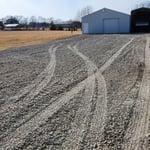
Gravel or Loose Fill Paving - Install, Spread or ScrapeAsphalt Paving - Repair or PatchAsphalt Paving - Repair or Patch - For Business
Serving Cedar Rapids, IA and surrounding areas
Approved
In business since 2020
Free estimates
Emergency services offered
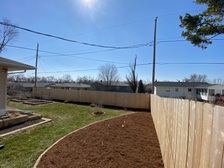
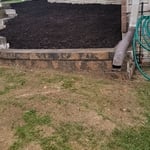
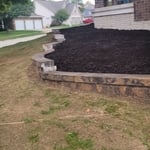
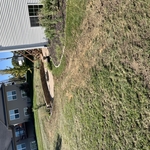
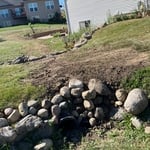
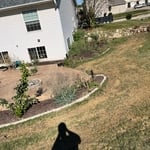
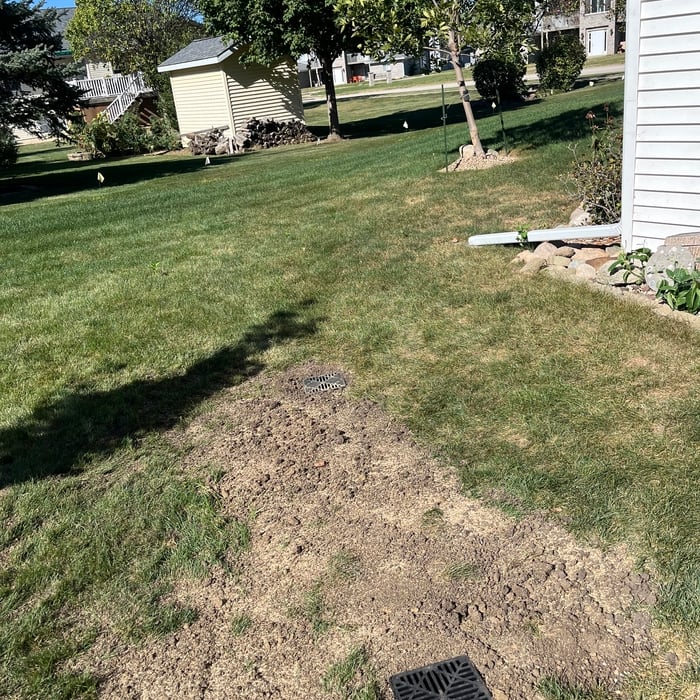
"Titan did a magnificent job on my property during the past week. I needed the following done: Grading work on my 3 acre property and three different types of rocks delivered. I also needed additional black dirt brought in to make it perfect. From start to finish the communication was excellent with Will. He let me know what time they would get to my job and everything that was going on during the work process. This is something that a lot of contractors just fail to do in my past experiences. They provide top notch equipment, with many different attachments for various types of jobs during the entire process. This ensures that the job is done correctly, the first time! Lastly, customer service could not be better. They (Will and Tim) stayed with the job until I was completely satisfied. Always keeping a great attitude no matter how many questions I asked. Even going the extra nine yards finishing the job better than I expected."
+25
Response time9 hrs
10 neighbors recently requested a quote
Recommended by80%of homeowners