

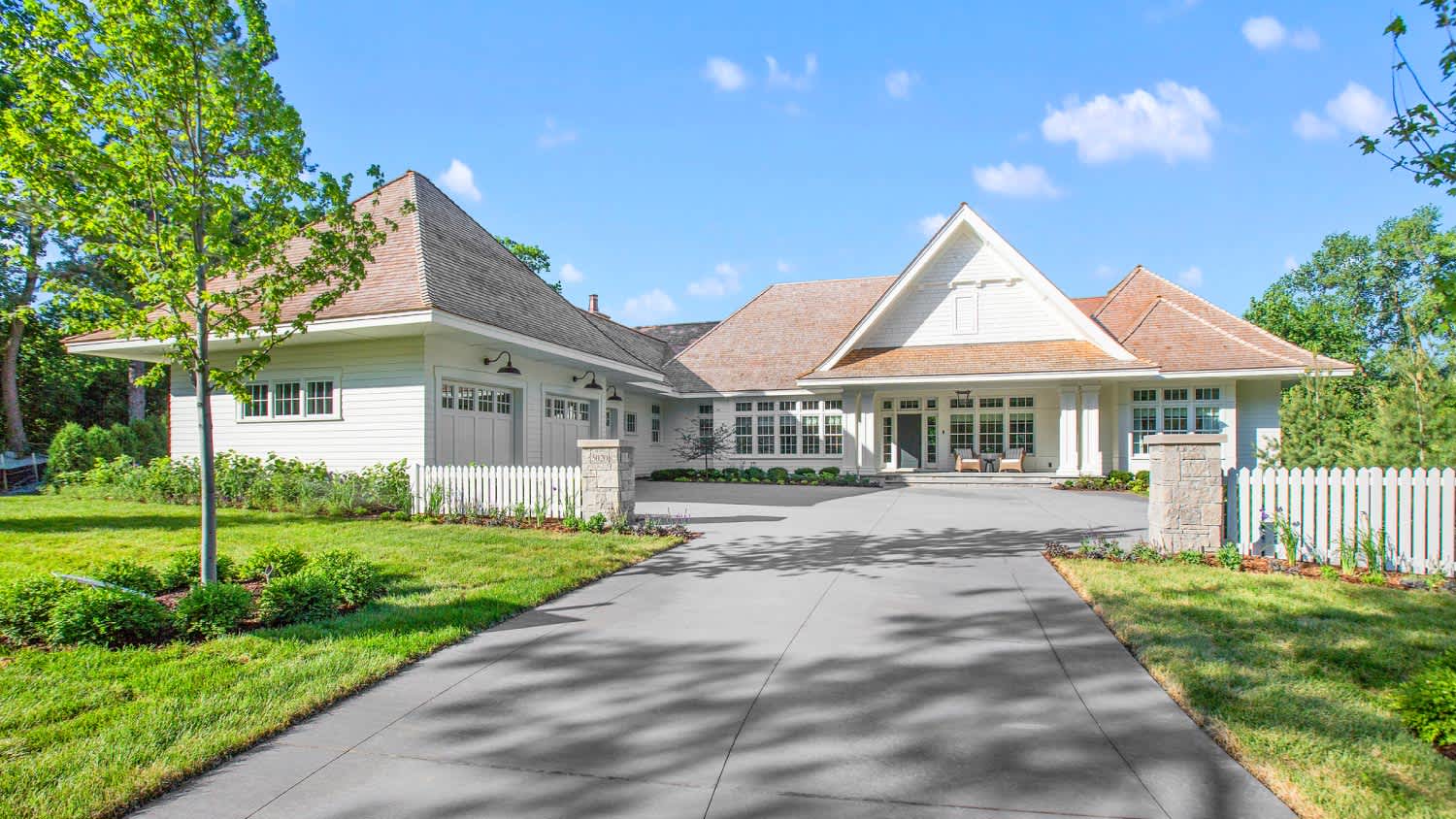
Between the endless customizations and decades of strength, the cost of a concrete driveway may be worth the investment. Let's break down your bottom line.
Asphalt driveway service costs depend on your project and location. Check with a local pro for your specific job.

Professional driveway apron installation costs between $1,300 and $7,800 for your materials and labor combined.
Your driveway apron size and the material you select will determine your final project total and installation complexity.
Remember to account for permit fees ranging from $50 to $200 and potential culvert replacement when you create your driveway apron budget.
Hiring a local driveway paving professional ensures your apron meets local building codes and prevents fines from improper installation.
In 2026, the national average cost to install a driveway apron is $4,400. Most homeowners spend between $1,300 and $7,800, with project size, material choices, and site conditions such as culverts or rebar being the primary cost drivers. Budget an additional $50 to $200 for permit fees, depending on your location.

Driveway aprons are a relatively small installation, but their slope requirements and local code specifications make the process more complex than it appears. Working with a local driveway paving company helps you navigate those requirements and avoid costly mistakes down the line. The sections below break down the key factors that influence your total project cost.
Driveway apron size is one of the biggest cost drivers, with materials and labor averaging $2 to $15 per square foot, or up to $50 per square foot for high-end pavers. Aprons typically run 15 to 18 feet long and 12 to 24 feet wide, matching your driveway width and extending to the street. Your final cost can shift if the apron crosses a sidewalk, your town sets specific size requirements, or your municipality covers part of the installation cost—so check local rules before finalizing your budget.
Most homeowners choose a driveway apron material that matches the rest of their driveway, with material costs averaging $3 and $10 and installation adding an extra $4 to $8. Concrete and asphalt are the most common choices, but local building codes may require a specific material, so always verify before purchasing. Some municipalities also require a permeable gravel layer beneath the top surface to ensure proper stormwater drainage.
Labor for driveway apron installation runs $4 to $8 per square foot, though contractors may charge by the hour or use a flat fee for smaller jobs. The breakdown varies by material—for example, the price of installing a concrete driveway includes an average of $135 per cubic yard for delivery, $1.75 per square foot for pouring, and $10.50 per square foot for special finishes such as stamping. Regardless of material, labor accounts for between 50% and 60% of your total project cost.
Because a driveway apron crosses into public access areas, a permit is required, and permits average $50 to $200. You may pay more if your project also requires a curb cut—the open space in the curb that allows vehicles to enter the driveway. Not sure who pays for permits? Ask your contractor whether they'll handle the permitting process and whether that cost is included in their quoted price.
Before starting any driveway apron project, always check local building codes—even if you're simply budgeting costs to repave your driveway. Your town may cover all or part of the installation cost, which can significantly affect your budget. Even when costs fall to you, local codes may still dictate the apron's placement, size, and required materials.

The material you choose for your driveway apron affects both installation complexity and total cost. Concrete, asphalt, and pavers are the most common options, each with different price points and installation requirements. Always follow local laws when selecting a material, as some municipalities restrict which options are permitted.
The table below breaks down the average cost of common driveway apron materials:
| Material | Average Cost in 2026 | Cost Range in 2026 |
|---|---|---|
| Concrete | $8 to $18 per square foot | under $1,440 to $7,800 |
| Asphalt | $7 to $12 per square foot | $1,300 to $5,200 |
| Pavers | $10 to $50 per square foot | null |
Concrete driveway aprons cost between $8 and $18 per square foot to install, meaning a small apron runs just under $1,440 and a larger one can reach up to $7,800. The higher end of that range reflects upgrades such as stamped or permeable concrete and added features like rebar reinforcement or drainage systems.
Asphalt driveway installation prices range from $7 to $12 per square foot, or $1,300 to $5,200 for a full apron, before permits and drainage costs. Asphalt is a popular choice for homeowners looking to match an existing asphalt driveway, though prices rise for steep grades or projects requiring permeable materials.
Pavers are the most expensive driveway apron material, ranging from $10 to $50 per square foot, especially when natural stone is used. In towns where local codes permit it, pavers can extend seamlessly from your driveway to the street, creating a cohesive, high-end look. The higher purchase and installation costs reflect the craftsmanship and curb appeal that pavers deliver.

A driveway apron that crosses your yard or a public area often requires specific design, reinforcement, or drainage work beyond basic installation. These additional costs can add up quickly, so it pays to understand them before finalizing your budget. The table below shows common add-on costs when installing a driveway apron:
| Driveway Apron Add-On | Cost in 2026 |
|---|---|
| Culvert replacement | $4,500 |
| Gravel | $65 per yard |
| Labor | $30 an hour |
| Rebar | $2 to $3 per foot |
Local municipal codes govern stormwater drainage requirements for driveway aprons, including the apron's slope and the direction water flows toward nearby storm drains. You may also need to install or replace the culvert below your driveway—the pipe that directs water under your driveway and into the drain—at an average cost of $4,500, though your town may be responsible for that expense. If a permeable gravel layer is required beneath the apron, gravel prices run an average of $65 per yard and about $30 an hour to spread, though your installation team will likely bundle this into their overall estimate.
Still worried about drainage? Read up on these common driveway drainage solutions for your home.
Some driveway aprons require wire mesh or metal rebar for added structural reinforcement, and rebar prices for concrete projects range from $2 to $3 per foot, including installation. Whether reinforcement is needed depends on your apron's design, the material used, and any requirements set by your municipality.
Adjusting the curb for your driveway apron is subject to strict local regulations, particularly in major cities, which govern who can perform the work and how it must be done. Always check local codes before assuming you can handle or contract this work independently. If you are responsible for the curb cut, plan to add several hours of labor at your contractor's rate to your overall budget.
Hiring a local driveway repair contractor costs between $4 and $8 per square foot, and for most homeowners that investment is well worth it. Driveway apron work is regulated in many areas, meaning DIY installation could result in fines or required removal if it doesn't meet local standards. Always check local laws about who is permitted to install a driveway apron before deciding whether to hire out or attempt the work yourself.
You’ll want to hire a pro to install your driveway apron for the following reasons:
Pros can recommend materials based on climate, soil conditions, and driveway type.
They have specialized equipment for excavation, grading, and concrete or asphalt installation.
Driveway pros will ensure proper drainage to prevent puddling around the driveway apron.
A professionally installed driveway apron is durable, strong, and better able to withstand wear and tear.
Professionals offer warranties on their work and are insured against liability.
They follow local regulations and permitting requirements.
A well-installed driveway apron enhances curb appeal and blends seamlessly with the road and driveway.
If you want to participate in the project, consider taking on tasks such as:
Clearing debris or vegetation from the installation area
Marking property lines or the general apron layout for your contractor
Assisting with light demolition or material removal (as allowed by local regulations)
Cleaning up the area once installation is complete
The best way to keep the cost of your driveway apron low is to check local building codes before you begin. If you live in an area with strict building codes, avoiding fees is key. If you have a bit more flexibility, here are some ways to cut driveway apron costs:
Opt for concrete or asphalt over pavers
Avoid a steep slope when possible to lower installation costs
Shop around for at least three estimates from contractors
Avoid summer installation since it's the high season for driveway installation
Install the apron at the same time as your driveway
Discuss which materials—such as concrete, asphalt, or pavers—best fit your budget, climate, and maintenance preferences.
Ask your contractor to walk you through any site prep needs, such as grading or drainage adjustments.
Request a detailed estimate that outlines materials, labor, timelines, and any required permits.
If you have extra room in your budget, ask about other driveway-enhancing projects, such as concrete staining, stamping, edging, or sealing.
Home is the most important place on earth, which is why Angi has helped more than 150 million homeowners transform their houses into homes they adore. To help homeowners with their next project, Angi provides readers with the most accurate cost data and upholds strict editorial standards. We extensively research project costs to develop the pricing data you see, so you can make the best decisions for you and your home. We rely on reputable sources, including the U.S. Bureau of Labor Statistics, academic journals, market studies, and interviews with industry experts—all to ensure our prices reflect real-world projects.
Want to help us improve our cost data? Send us a recent project quote to [email protected]. Quotes and personal information will not be shared publicly.
Archie did a good job cleaning up the driveway before he laid down the sealer. It looks good. He was gracious and even helped me bring up my groceries. His rate was comparable to another company who came out to give me a quote and he talked to me personally rather than just text me a quote...
 Pro Seal Roofing & Paving
D1 Roofing delivers outstanding service from beginning to end, backed by a strong warranty and expert teams. I highly recommend them for their excellence in meeting and surpassing expectations with unmatched communication. Choosing D1 Roofing was flawless decision
 Division 1 Roofing LLC
This company went above and beyond with their work, chimney sweeps are usually pretty messy, but the clean up was spot on.!! Josh explained every thing that he was doing, and the things that he was checking to make sure the chimney was safe for me and my family. He was very professional,...
 Supreme brick & chimney
Our homes curb appeal skyrocketed thanks to Custom Paint Jobs LLC s exterior painting.
 Custom Paint Jobs, LLC
Very well! Two men came to do the work. They were both polite, punctual and professional in manner. When they finished, Cameron explained about preserving an asphalt driveway, as I had never had one in the past. I will definitely be calling them in the future.
 All Star Paving and Sealing
Fantastic! Top Line was early for the appointment and very knowledgeable and took time to explain everything they had found during the home inspection. The report included clearly defined issues and what they recommended to remedy the same. The report also included many pictures to help...
 Top Line Home Inspections, LLC
Working with Peter and his crew was a breeze. They were exceptionally polite and did a neat job to repair and seal our driveway. I will definitely talk to them first for additional work.
 Central Paving
The preformed a really good job the staff is incredible never been so happy with my home, A brand new driveway is like a face lift!!
 Pristine Paving
Called Mark on a Thursday morning. Not really knowing if he could help me or not. I was having driveway, flooding issues due to a clogged channel drain and I was trying to figure out what direction to take. Heavy rains had come on Monday and again on Thursday leading to flooding in my garage...
 Mark Rodgers Construction
Had already met with 2 other contractors before Blue Ring, and Blue Ring's price quote for the work was better than either of the other 2, and the came out the next morning and cleaned up a very large fallen tree branch from a storm that was blocking my driveway. Work was completed in...
 Blue Ring Residential Services, LLC
From average costs to expert advice, get all the answers you need to get your job done.
Between the endless customizations and decades of strength, the cost of a concrete driveway may be worth the investment. Let's break down your bottom line.
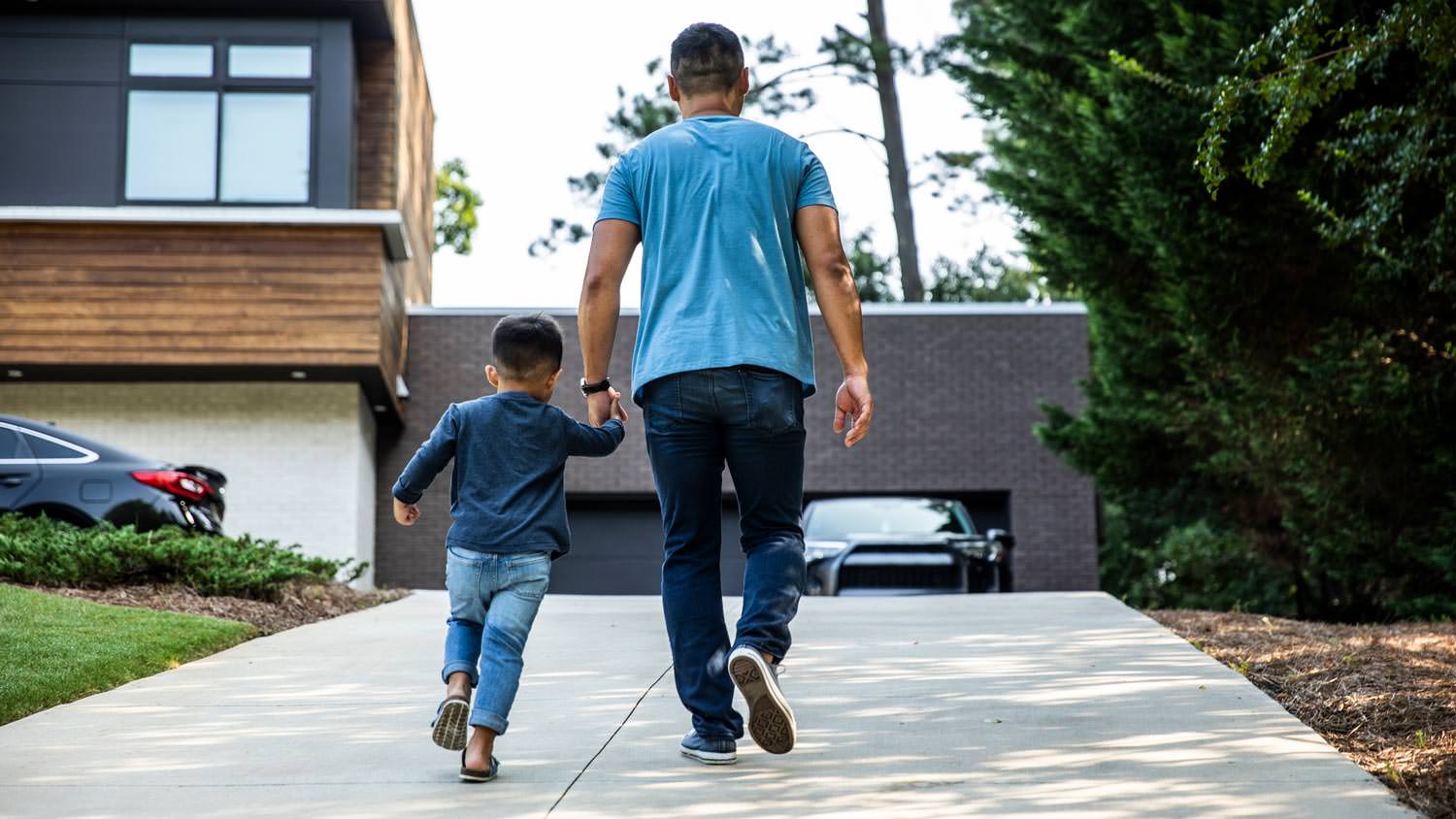
The average cost to pave a driveway is $4,897, but prices vary by size and material. This guide breaks down common cost factors and helps you budget.
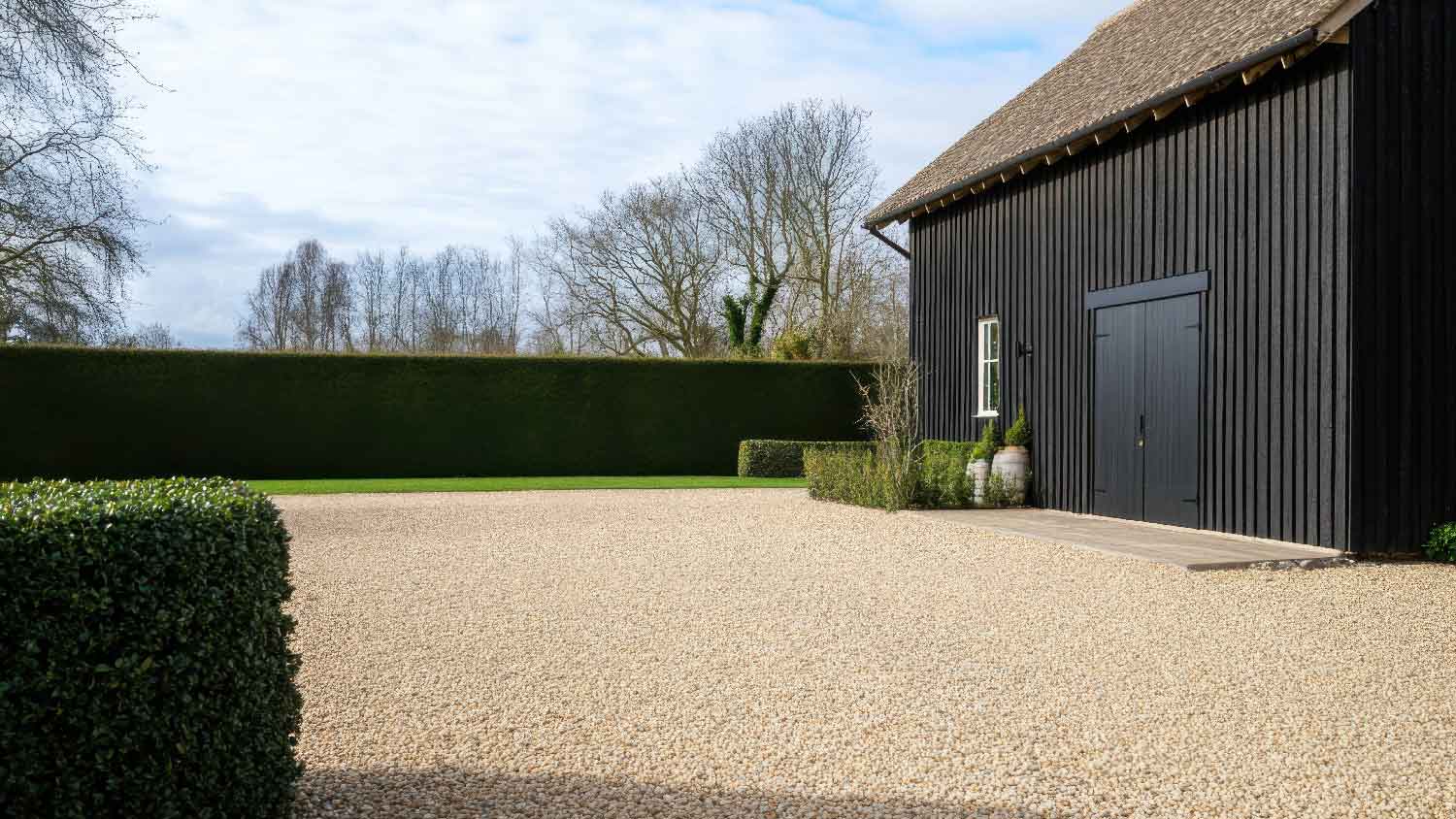
Use this guide to estimate the cost of your resin driveway based on its size, the materials used, and whether you hire a driveway contractor to complete the job.
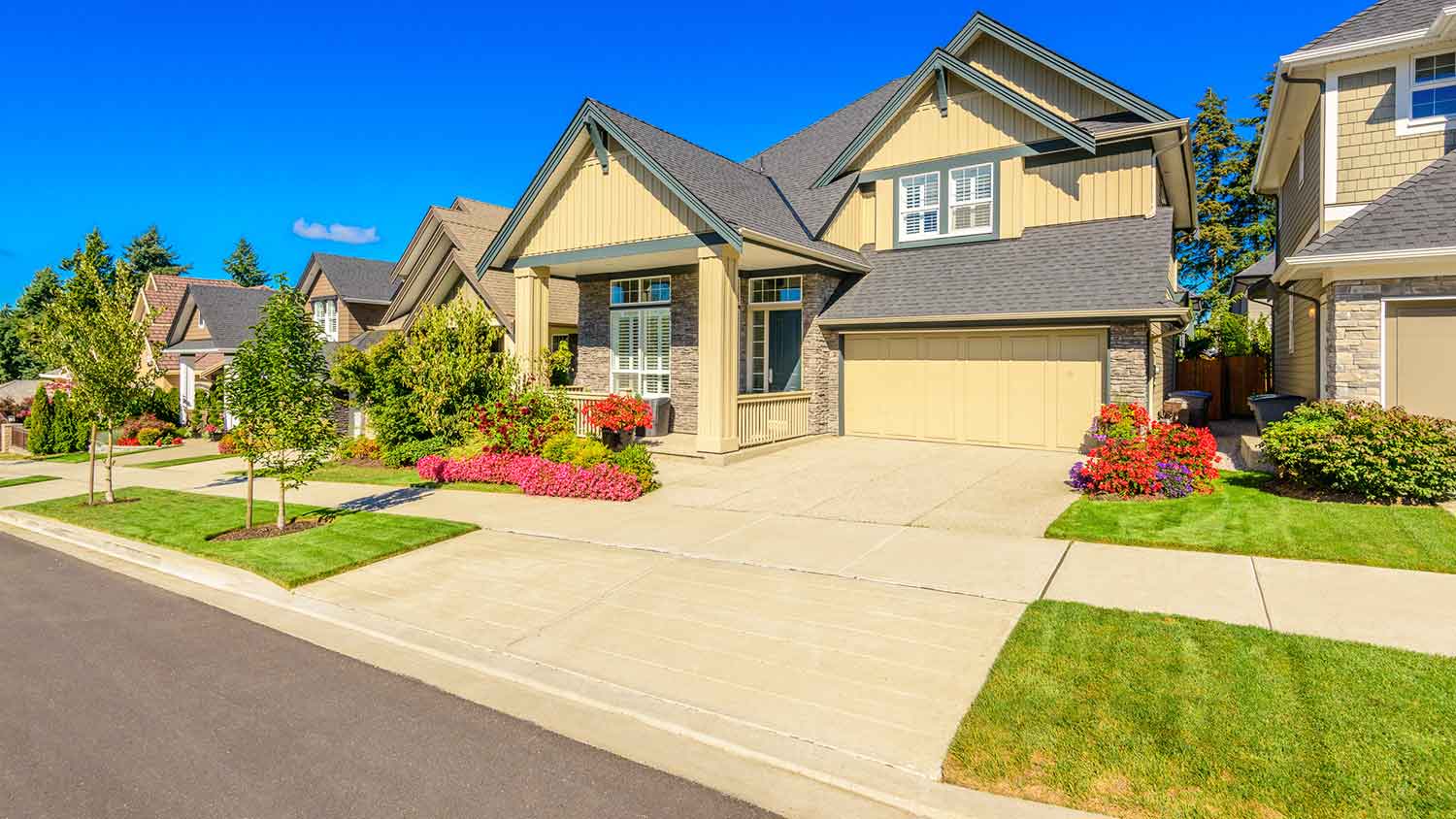
Ever noticed the piece of “driveway” that separates the sidewalk from the street? Here’s everything you need to know about driveway aprons
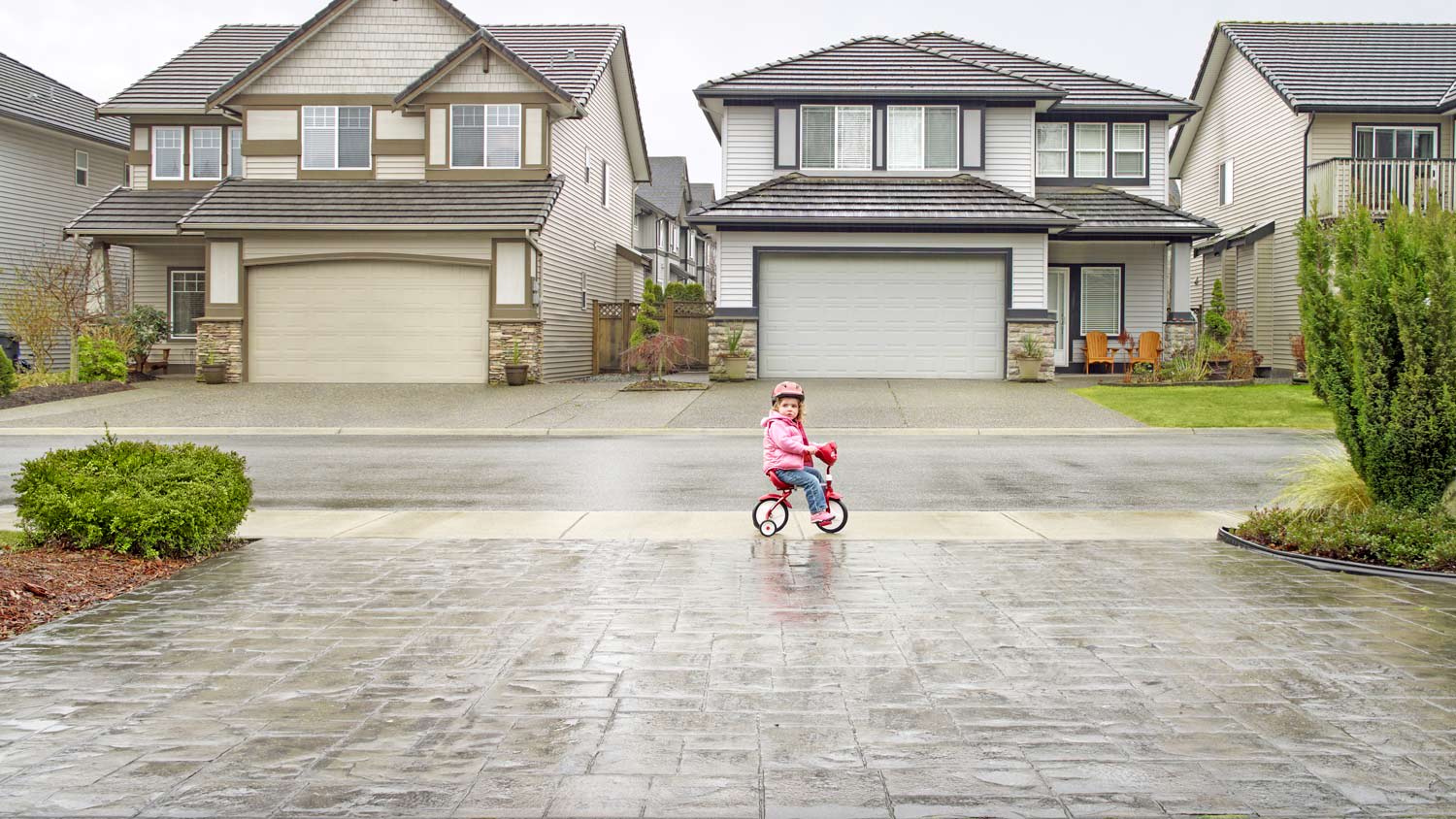
A driveway apron is an easy way to add that finishing touch to your driveway. From asphalt to concrete to pavers or gravel, check out the range of choices and variations.
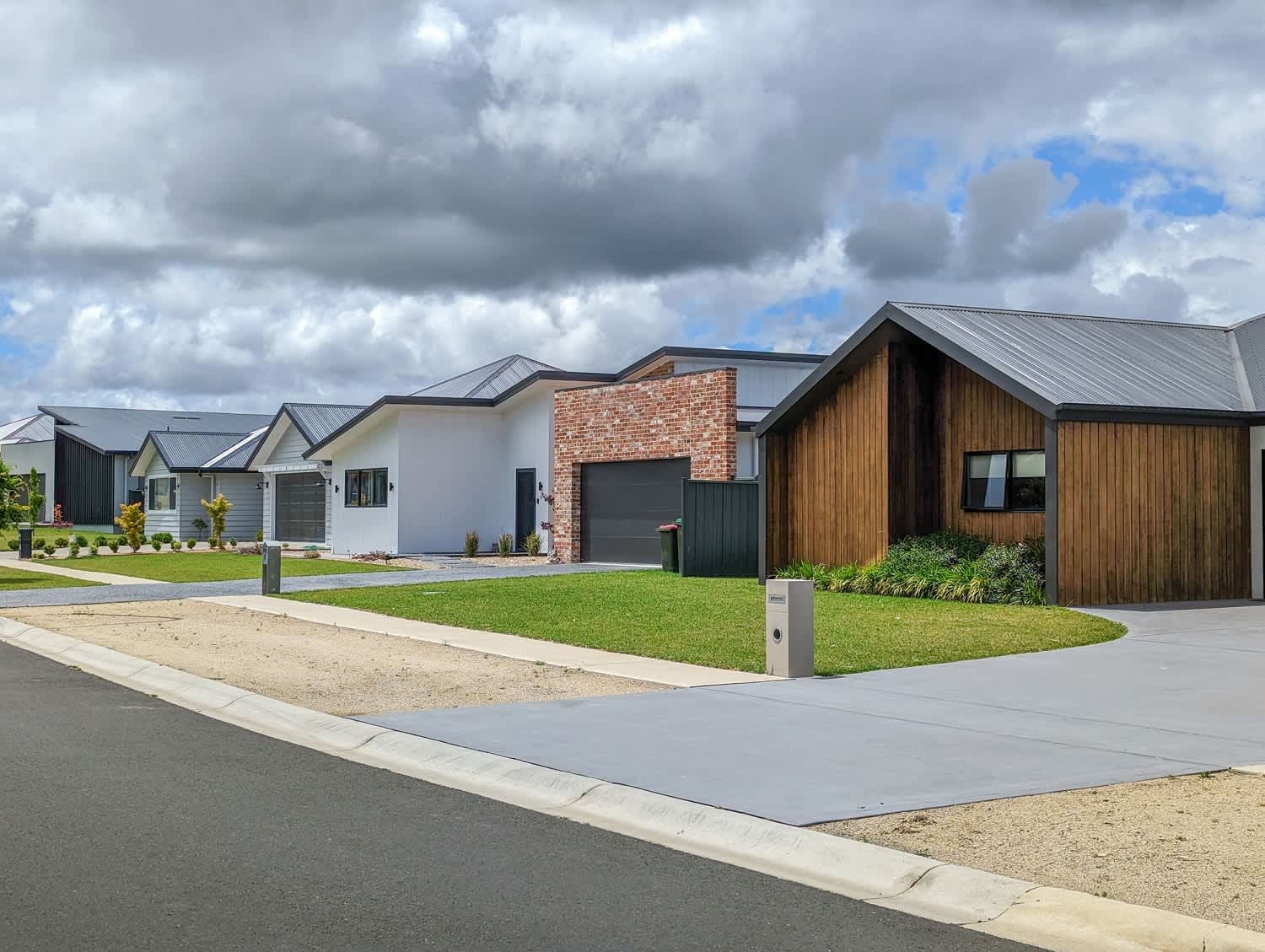
What is a driveway apron and does everyone need one? Here's what to know about this regulated piece of pavement.