

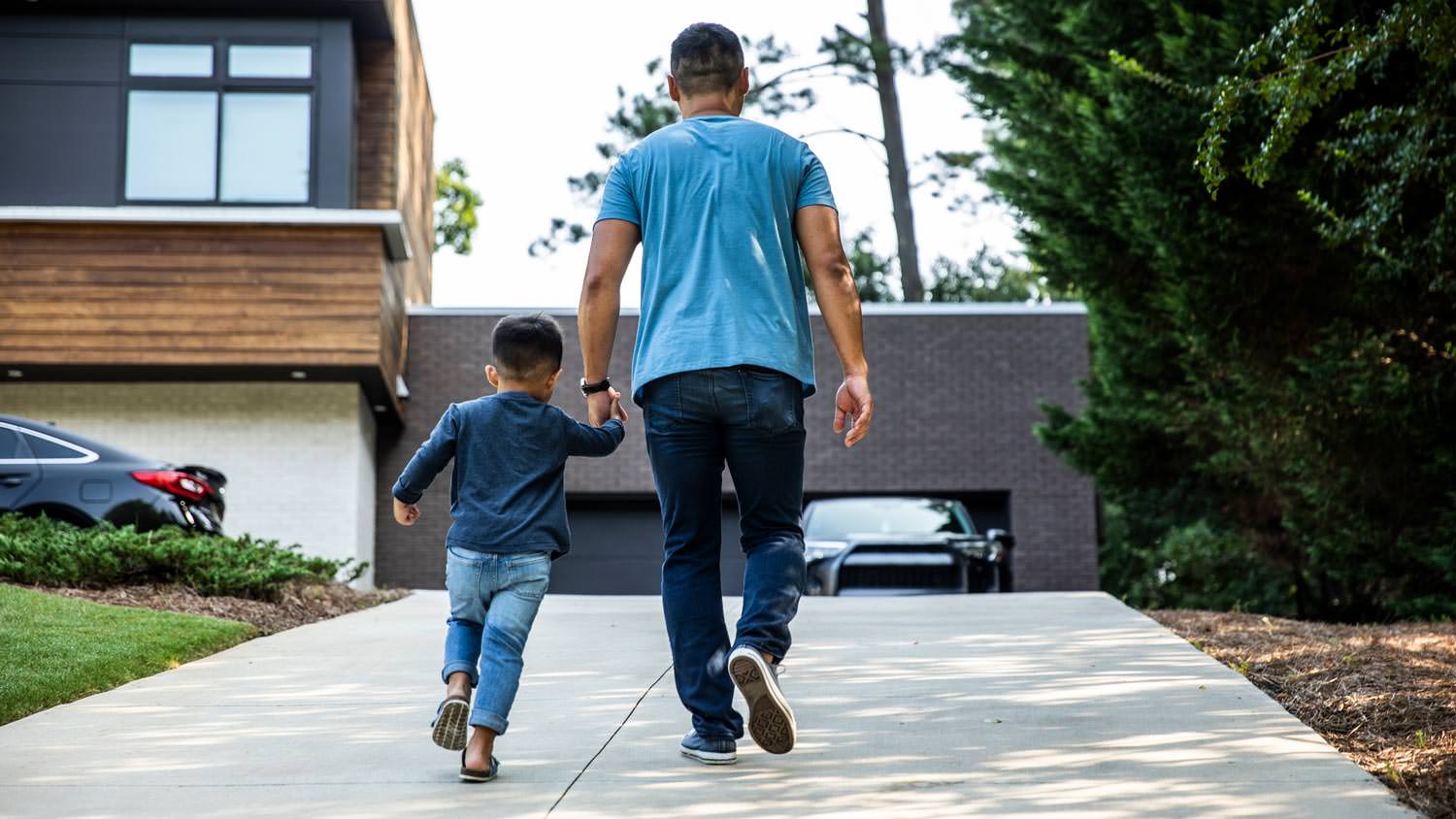
The average cost to pave a driveway is $4,897, but prices vary by size and material. This guide breaks down common cost factors and helps you budget.
Asphalt driveway service costs depend on your project and location. Check with a local pro for your specific job.

Resin driveway installation ranges from $14,900 to $38,300 for your project, based on size and design.
Your driveway size, slope, and aggregate material choice drive labor and prep needs, especially on steep terrain.
Budget for excavation costs between $1,000 to $2,000, plus permit fees and add-ons like drainage or retaining walls.
Hiring a local asphalt company ensures proper base prep, preventing cracking, erosion, and washout that cost thousands to repair.
With the average resin driveway cost for homeowners around the country at $26,600, most are paying somewhere between $3,200 and $50,000 to get the look they want. Homeowners who choose resin as a driveway material can either keep resin-bound surfacing costs to a minimum by choosing a simple design or pay extra for custom looks that include round driveways, mosaics with special colors, and personalized words and shapes. Learn all of the factors to consider when getting a new resin driveway.
| Driveway Dimensions (ft) | Square Feet | Average Price Range |
|---|---|---|
| 10x20 | 200 | $3,200–$3,900 |
| 12x24 | 288 | $4,000–$4,900 |
| 20x20 | 400 | $5,000–$6,900 |
| 24x24 | 576 | $7,000–$7,900 |
| 24x36 | 864 | $8,000–$12,500 |
| 30x30 | 900 | $13,000–$16,500 |
The cost to install a resin driveway is generally lower when the driveway's shape is square or rectangular. When creating a circular resin driveway, prices for a 1,500-square-foot driveway with a 50-foot diameter can range from $17,000 to $30,000. For a larger circular driveway that spans up to 3,000 feet with an 80-foot diameter, the price can go from $30,000 to above $50,000.
As is true with the cost to pave a driveway using any material, a sloped property creates a more challenging project that may cost significantly more. A steep slope can make it more difficult for aggregate materials to properly adhere to the ground. In general, sloped driveways require more excavation to prevent erosion. In addition, contractors will generally spend more time and effort reinforcing the driveway to keep it stable.
| Aggregate Material | Price by Cubic Yard |
|---|---|
| Granite or Crushed Stone | $25–$50 |
| Crushed Limestone | $30–$115 |
| Gravel | $18–$24 |
| Recycled Material | $12–$30 |
Driveway contractors generally charge between $50 and $150 per hour based on the size and complexity of a job. Labor charges generally include:
Planning the job and acquiring the necessary tools and materials.
Cleaning and preparing the site's surface.
Use of excavation equipment, compacting equipment, mixing drills, trowels, measuring tools, and leveling tools.
Mixing, applying, and finishing the new resin surface.
Applying anti-slip coating to the finished driveway.
Establishing a sturdy foundation for a resin driveway is critical for ensuring that the driveway lasts for as long as possible. The best way to do this is to create a subbase using excavation. In general, you'll need a depth of about 6 inches. Steeper terrain may need 8 inches. The excavated ground is then filled with a subbase material that's compacted to ground level.
The average cost to excavate for a 10x10 resin driveway that covers 200 square feet is between $1,000 and $2,000. If your yard is sloped, excavation costs may be as much as 25% higher.
Depending on where you live, you may be required to get a permit whether you're installing a new resin driveway or updating an existing one. In general, driveway permits cost $50 to $150. If you need to remove a significant amount of fill to level the driveway area, additional permits totaling $75 to $125 may be needed.

While considered a durable and low-maintenance option, a resin driveway will still need some attention. When properly cared for, the average resin driveway can be expected to last up to 25 years. Here's a look at the long-term resin bound surfacing cost.
A resin driveway should be swept weekly with a soft-bristled brush, which can be picked up at a hardware store for between $12 and $20. In addition to regularly sweeping a resin driveway, homeowners should consider having it cleaned with a power washer once a year. The average professional power-washing cost for a driveway is $100 to $200.
In general, a resin driveway should be resealed once every two to four years. Local weather conditions and usage will determine how frequently resealing is necessary. The cost to have a driveway professionally sealed ranges from $1.25 to $1.50 per square foot. Most homeowners pay between $275 and $700 in total.
Over time, age, weather, and general wear and tear can damage resin driveways. While some homeowners may never need to repair their resin driveways, others may struggle with cracks or stains. Overall, resin driveway repair costs can be much lower than concrete or asphalt driveway repair costs.
Repairing/Replacing Loose Aggregate: $155-$600
Repairing Cracks: $100-$675
Rust Removal: $75-$299
If you hire a driveway contractor to install your new resin driveway, they may make a few recommendations to enhance the performance of your driveway. While your driveway contractor may be able to offer some of these add-on jobs, they may also need to refer you to contractors specializing in masonry or drainage.
Adding a driveway apron: $1,300-$7,800
Building a retaining wall: $3,200-$9,200
Adding drainage: $30-$100 per linear foot
While there isn't always wiggle room when it comes to the cost of materials and labor rates, there are some ways you may be able to bring your resin driveway cost lower.
Book a contractor during the slower winter months.
Shop around for at least three different quotes for resin bound surfacing costs.
When selecting a resin material, choose smaller aggregates that tend to be less expensive compared to larger pieces.
If you're replacing an existing driveway, consider removing the materials on your own. With the average cost to have a concrete driveway removed at $2 to $6 per square foot, a homeowner with an average-sized driveway could save around $1,200.
Handle some of the basic site preparation on your own. For example, weeding and leveling the area yourself could cut several hours of labor for a contractor's crew.
DIY installation can bring the average cost of a 10x20 driveway from $3,900 to around $2,200 to $2,700. However, incorrectly laying a resin driveway can result in cracks, erosion, or your driveway washing away in the next rainstorm.
The high failure risk for DIY resin driveways is why most homeowners choose to have a resin-bound driveway installed by professionals. Use an asphalt company near you to get a quote for a driveway of your size.
Installing a resin driveway requires specialized equipment, expertise, and careful precision. Here’s why it’s best to work with a pro:
Pros know how to properly prepare the base to prevent common mistakes like cracking, pooling, or uneven surfaces.
Working with a pro ensures your project complies with local building codes and drainage requirements.
DIY jobs can lead to weak spots, uneven installation, and premature wear that can cost thousands to repair.
Experienced installers know how to handle edging, jointing, and finishing for a durable, long-lasting result.
While it’s best to leave the job to an experienced pro, there are a few ways you can assist during the installation process:
Remove furniture, planters, and decor from the work area before your pros arrive.
Place protective coverings over patios, decks, or landscaping to prevent damage.
Keep tools and materials organized and easily accessible.
Take photos before and after installation for warranty purposes.
Be ready to discuss your desired driveway design and the material you've chosen, such as limestone or gravel, with your pro.
Provide your pro with the general size, shape, and slope of your driveway.
Ask about potential add-ons, like decorative borders, colors, or drainage features, beforehand.
Leave room in your budget for unexpected repairs, added labor fees, or material price increases.
Home is the most important place on earth, which is why Angi has helped more than 150 million homeowners transform their houses into homes they adore. To help homeowners with their next project, Angi provides readers with the most accurate cost data and upholds strict editorial standards. We extensively research project costs to develop the pricing data you see, so you can make the best decisions for you and your home. We rely on reputable sources, including the U.S. Bureau of Labor Statistics, academic journals, market studies, and interviews with industry experts—all to ensure our prices reflect real-world projects.
Want to help us improve our cost data? Send us a recent project quote to [email protected]. Quotes and personal information will not be shared publicly.
Archie did a good job cleaning up the driveway before he laid down the sealer. It looks good. He was gracious and even helped me bring up my groceries. His rate was comparable to another company who came out to give me a quote and he talked to me personally rather than just text me a quote...
 Pro Seal Roofing & Paving
D1 Roofing delivers outstanding service from beginning to end, backed by a strong warranty and expert teams. I highly recommend them for their excellence in meeting and surpassing expectations with unmatched communication. Choosing D1 Roofing was flawless decision
 Division 1 Roofing LLC
This company went above and beyond with their work, chimney sweeps are usually pretty messy, but the clean up was spot on.!! Josh explained every thing that he was doing, and the things that he was checking to make sure the chimney was safe for me and my family. He was very professional,...
 Supreme brick & chimney
Our homes curb appeal skyrocketed thanks to Custom Paint Jobs LLC s exterior painting.
 Custom Paint Jobs, LLC
Very well! Two men came to do the work. They were both polite, punctual and professional in manner. When they finished, Cameron explained about preserving an asphalt driveway, as I had never had one in the past. I will definitely be calling them in the future.
 All Star Paving and Sealing
Fantastic! Top Line was early for the appointment and very knowledgeable and took time to explain everything they had found during the home inspection. The report included clearly defined issues and what they recommended to remedy the same. The report also included many pictures to help...
 Top Line Home Inspections, LLC
Working with Peter and his crew was a breeze. They were exceptionally polite and did a neat job to repair and seal our driveway. I will definitely talk to them first for additional work.
 Central Paving
The preformed a really good job the staff is incredible never been so happy with my home, A brand new driveway is like a face lift!!
 Pristine Paving
Called Mark on a Thursday morning. Not really knowing if he could help me or not. I was having driveway, flooding issues due to a clogged channel drain and I was trying to figure out what direction to take. Heavy rains had come on Monday and again on Thursday leading to flooding in my garage...
 Mark Rodgers Construction
Had already met with 2 other contractors before Blue Ring, and Blue Ring's price quote for the work was better than either of the other 2, and the came out the next morning and cleaned up a very large fallen tree branch from a storm that was blocking my driveway. Work was completed in...
 Blue Ring Residential Services, LLC
From average costs to expert advice, get all the answers you need to get your job done.
The average cost to pave a driveway is $4,897, but prices vary by size and material. This guide breaks down common cost factors and helps you budget.
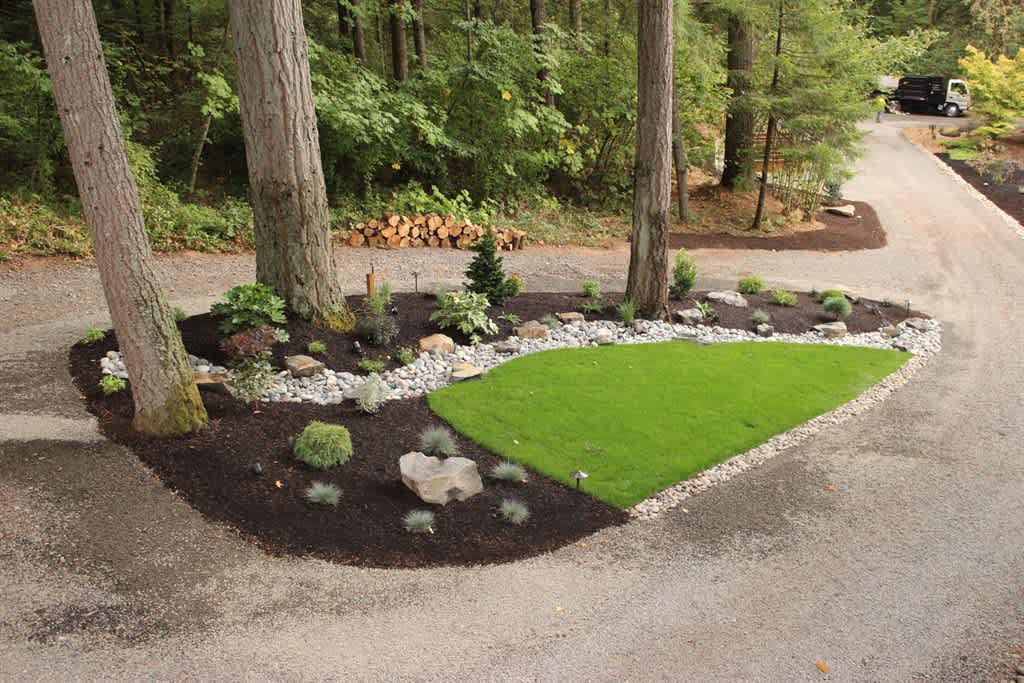
The cost of a tar and chip driveway falls between gravel and asphalt. Is this unique process the happy medium you've been looking for? Let's take a look.

Calculate the cost of installing a new asphalt driveway based on dimensions, depth, finishes, and other custom driveway details.
Asphalt and concrete driveways are strong and durable, but do they need protecting? Learn more about the pros and cons of sealing your driveway.
A driveway should look great, be durable, and hold up to weather in your climate. Learn all about the best types of driveways and when to choose each.
Learn the best time of year to repave or seal your driveway to keep it in optimal condition and protect it against extreme weather and regular wear and tear.