

The average cost to pave a driveway is $4,897, but prices vary by size and material. This guide breaks down common cost factors and helps you budget.
Asphalt driveway service costs depend on your project and location. Check with a local pro for your specific job.

Heated driveway installation costs $3,000 to $8,700 depending on your system choice, with electric systems and hydronic systems offering different benefits.
Asphalt driveways handle colder temperatures better and crack less than concrete, while pavers cost the most for your project.
Account for removing your existing driveway at $1 to $2 per square foot and drainage features like channel drains or culvert pipes.
Hiring a local driveway paving professional ensures your heating system and driveway meet code and prevents serious issues down the road.
If you’re sick of shoveling snow and sprinkling salt on your driveway all winter long, a driveway heating system could be a lifesaver. Heated driveways are gaining popularity, and while they aren't exactly inexpensive, many think the benefits far outweigh the costs. This type of driveway usually costs an average of $13,000. A heated driveway costs $1,600 on the low end and $25,000 on the high end.
The cost to install a heated driveway is around $12 to $25 per square foot. This includes the materials necessary for the driveway and labor. However, the cost will be more expensive if you need to remove an old driveway first. Homeowners can expect to pay an additional $1 to $2 per square foot for driveway removal.

There are a few significant factors that influence the cost of a heated driveway, including the size of your driveway, what type of heating system you use, and whether you have a fully automated system.
Driveway size is one of the main factors that influences cost. Installing a heated driveway that only fits one or two cars will cost much less than installing a heated driveway in a larger area.
| Driveway Size | Average Cost |
|---|---|
| 12 foot by 24 foot | $3,400–$7,500 |
| 24 foot by 24 foot | $7,000–$16,000 |
| 36 foot by 24 foot | $10,000–$24,000 |
Heated asphalt driveways typically cost an average of $8,600, whereas heated concrete driveways cost an average of $7,550. While concrete driveways are more common and typically stronger, asphalt driveways are better equipped for colder temperatures and are less likely to crack.
| Driveway Material | Average Cost per Square Foot |
|---|---|
| Asphalt | $12–$25 |
| Concrete | $15–$30 |
| Pavers | $20–$50 |
If you want to ensure your driveway is snow-free, even when you head out for your morning commute, you might want to consider an automated system. You can add a sensor system that automatically turns on when it starts snowing, saving you from having to push a button and wait for the snow or ice to melt on top of your already hectic morning routine. However, automated heated driveways are typically more expensive than those with a manual switch.
In many cases, homeowners who want a heated driveway must remove their old driveway first. This can increase costs because you’ll need to pay for the removal of the original driveway as well as the installation of a new one. But it can also be an opportunity to better customize your driveway to meet your needs, such as widening your driveway.
Proper drainage around your driveway works in tandem with a heated system. When the mats, electric, or hydronic system melt the snow, it needs to properly flow away from your home and into the ground without damaging the surrounding landscape. Drainage options typically include a well-graded driveway, channel drains, French drains, or a culvert pipe that runs below the asphalt or concrete slab.
The labor required to install heated driveways will also factor into the total cost. Fees will vary depending on the laborer you hire, their qualifications and experience, and the amount of time the installation takes.
You have a few options to heat your driveway, both when it comes to design and budget. And while there are pros and cons to a heated driveway, each of these installations can increase safety, curb appeal, and drainage in your yard. The extent of excavation and whether the heating system is DIY-able directly affect the cost.
Portable heated driveway mats cost between $5 and $10 per square foot, or about $1,600 per mat. They can be placed where and when you need them, like on a driveway, walkway, or porch.
Much like a heating pad works on your body, these mats sandwich an adjustable heating element between rubber covers. You’ll need to remember to get these guys in position before each snowstorm, but they require no pro installation and are less costly than a built-in system.
Electrical driveway heating systems embed coils below your asphalt, concrete, or pavers. The system costs between $3,200 and $5,800 before additional excavation costs and the cost to upgrade your electrical panel if necessary. Labor, excavation, and increasing your home's electrical capacity could double this price, depending on the size of your project.
“Some homeowners use driveway snow-melting mats, which simply plug into standard 120-volt outlets,” says Bob Tschudi, Expert Review Board member and a general contractor in Raleigh, NC. “While they are effective, they aren’t visually appealing, and they don’t last as long as in-asphalt and in-concrete installations.”
Before installing a heated driveway, consult with a licensed electrician to ensure your home has adequate wiring and safety measures.

Water-based systems (hydronic, geothermal, etc.) are usually more expensive initially, costing 30% to 50% more than electric systems. On average, you'll pay between $4,200 and $8,700 before the cost of excavation if you need to replace your driveway.
But they make up for that over time: They use less energy than their electrical counterparts, which use a mat or wiring system unless the electrical system is solar-powered. Keep in mind that you will also need to hook a hydronic system up to a boiler, and additional retrofitting can raise the bottom line.

As it goes for most projects, you can expect a few ongoing costs when you install a heated driveway system.
One of the great things about heated driveways is that they require very little maintenance if installed correctly. But while they help you save on the cost of snow removal, you should have your boiler inspected annually to ensure that everything is in good working order. Additionally, your driveway will still require its typical maintenance, such as driveway sealing.
Occasional repairs to the controllers and sensors of your heated driveway are to be expected, especially once you’ve had them for a while.
The operating costs for heated driveways depend on the size of your driveway, the zone coverage you opt for, and whether you opt for a hydronic or electric system. Regardless, you will have monthly bills associated with your heated driveway.
Installing a heated driveway is a job that should be left to the pros. Hiring a heated driveway installation pro near you ensures your driveway is installed safely and correctly, and can prevent serious issues that may crop up in the future.
Installing a heated driveway is a long and complicated process—here are some reasons to hire a pro:
Driveway installation pros have the heavy equipment to excavate for a new driveway or quickly demolish and remove an existing driveway.
A pro will ensure both the heating system and the driveway are safe and up to code.
A driveway installation professional can properly grade your new driveway and install any necessary drainage features.
Pros have the tools, equipment, and experience to complete this complex project quickly.
Most heated driveway installation tasks aren’t DIY-able, but here are a few things a handy homeowner can tackle:
Placing portable heated driveway mats
Grade and improve drainage around the driveway
Seal and maintain driveway surface
If the total cost of heated driveways is deterring you from taking the plunge, here are some ways you can cut the total costs.
Don’t heat the entire driveway. There’s an option to heat only one lane of the driveway, and if that’s all you really need, it’s a great way to cut costs. You can also just heat the areas where the tire grooves will land. This is a good option if you only receive light snowfall where you live.
Don’t bother with sidewalks or walkways. If there’s not much sidewalk near your property, or you only have a short walkway, you may want to just shovel those parts on your own.
When contacting a heated driveway company, it's important to ask the right questions to get an idea of what working with them might be like. It's always a good idea to start by looking at reviews online. These are the questions to ask after narrowing down your choices:
Is your company fully licensed and insured?
Who will be installing my driveway?
What is the average timeline for a job of this size?
How many years have you been in business?
Is my home within your service area? Will you charge extra for travel if it's not?
Can I see examples of your work?
What types of heated driveways do you offer?
Can you share references?
Does your work come with any guarantees or warranties?
Do you offer service packages for maintenance or driveway repair?
Like any project, a new driveway installation requires several quotes. Contact at least three companies to get quotes that you can compare. Finally, keep in mind that a driveway installer can't typically give you an accurate quote without visiting your home in person to inspect the driveway area.
To get a quote for a heated driveway, start by gathering essential project details, such as your driveway’s dimensions, the type of heating system you prefer (electric or hydronic), and the material you’ll use (asphalt, concrete, or pavers). Decide if you want full coverage or just tire tracks heated.
Research contractors with experience in heated driveway installations by checking reviews and recommendations, and contact at least three to request estimates. Ensure they’re licensed and insured, and ask for references or examples of their work. Schedule on-site assessments so contractors can evaluate your driveway’s condition, including removal needs, drainage issues, or obstacles, to provide an accurate quote.
Once you receive quotes, review them carefully, comparing material costs, labor, additional fees like electrical upgrades, and included warranties. Verify the contractor's credentials, including licenses and insurance coverage, and follow up on references if necessary. Lastly, discuss project timelines, installation guarantees, and ongoing maintenance options to ensure you’re making the best decision for your needs and budget.
Whether a heated driveway is worth the money depends on your preferences and needs. If you live in a cold climate with heavy snowfall, it could be a smart investment that means you won't have to shovel snow yourself or pay for snow shoveling services.
You’ll also decrease the likelihood of falls from a snowy driveway, whether the kids are outside playing or friends and family are coming for a visit. Another plus is that you won’t have to use ice-melt chemicals or rock salt, both of which can harm asphalt and concrete driveways and damage vehicle undercarriages.
Many credible driveway companies will offer a warranty on the installation (sometimes up to 10 years or more). Be sure to ask your pro about warranty options to give you the peace of mind that repairs will be covered if something goes wrong.
Be prepared to decide which type of heating system you want installed.
Let the pro know if you want to keep your driveway the same size or widen it.
Allocate part of your budget for drainage, wiring installation, or boiler retrofitting.
Home is the most important place on earth, which is why Angi has helped more than 150 million homeowners transform their houses into homes they adore. To help homeowners with their next project, Angi provides readers with the most accurate cost data and upholds strict editorial standards. We extensively research project costs to develop the pricing data you see, so you can make the best decisions for you and your home. We rely on reputable sources, including the U.S. Bureau of Labor Statistics, academic journals, market studies, and interviews with industry experts—all to ensure our prices reflect real-world projects.
Want to help us improve our cost data? Send us a recent project quote to [email protected]. Quotes and personal information will not be shared publicly.
Archie did a good job cleaning up the driveway before he laid down the sealer. It looks good. He was gracious and even helped me bring up my groceries. His rate was comparable to another company who came out to give me a quote and he talked to me personally rather than just text me a quote...
 Pro Seal Roofing & Paving
D1 Roofing delivers outstanding service from beginning to end, backed by a strong warranty and expert teams. I highly recommend them for their excellence in meeting and surpassing expectations with unmatched communication. Choosing D1 Roofing was flawless decision
 Division 1 Roofing LLC
This company went above and beyond with their work, chimney sweeps are usually pretty messy, but the clean up was spot on.!! Josh explained every thing that he was doing, and the things that he was checking to make sure the chimney was safe for me and my family. He was very professional,...
 Supreme brick & chimney
Our homes curb appeal skyrocketed thanks to Custom Paint Jobs LLC s exterior painting.
 Custom Paint Jobs, LLC
Very well! Two men came to do the work. They were both polite, punctual and professional in manner. When they finished, Cameron explained about preserving an asphalt driveway, as I had never had one in the past. I will definitely be calling them in the future.
 All Star Paving and Sealing
Fantastic! Top Line was early for the appointment and very knowledgeable and took time to explain everything they had found during the home inspection. The report included clearly defined issues and what they recommended to remedy the same. The report also included many pictures to help...
 Top Line Home Inspections, LLC
Working with Peter and his crew was a breeze. They were exceptionally polite and did a neat job to repair and seal our driveway. I will definitely talk to them first for additional work.
 Central Paving
The preformed a really good job the staff is incredible never been so happy with my home, A brand new driveway is like a face lift!!
 Pristine Paving
Called Mark on a Thursday morning. Not really knowing if he could help me or not. I was having driveway, flooding issues due to a clogged channel drain and I was trying to figure out what direction to take. Heavy rains had come on Monday and again on Thursday leading to flooding in my garage...
 Mark Rodgers Construction
Had already met with 2 other contractors before Blue Ring, and Blue Ring's price quote for the work was better than either of the other 2, and the came out the next morning and cleaned up a very large fallen tree branch from a storm that was blocking my driveway. Work was completed in...
 Blue Ring Residential Services, LLC
From average costs to expert advice, get all the answers you need to get your job done.
The average cost to pave a driveway is $4,897, but prices vary by size and material. This guide breaks down common cost factors and helps you budget.

Calculate the cost of installing a new asphalt driveway based on dimensions, depth, finishes, and other custom driveway details.
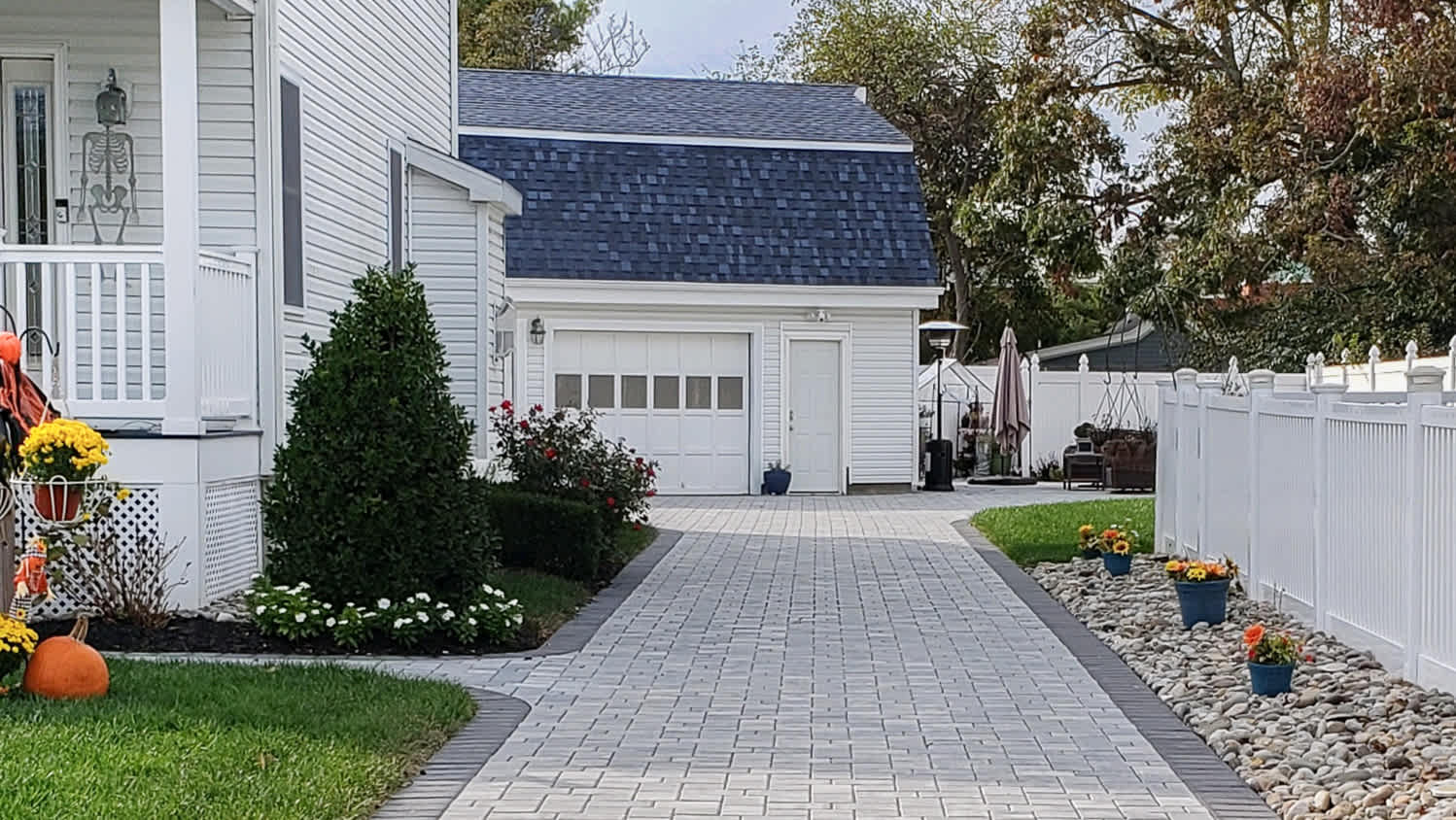
Discover the average paver driveway cost, including price ranges, key cost factors, and tips to help you budget for your driveway project.
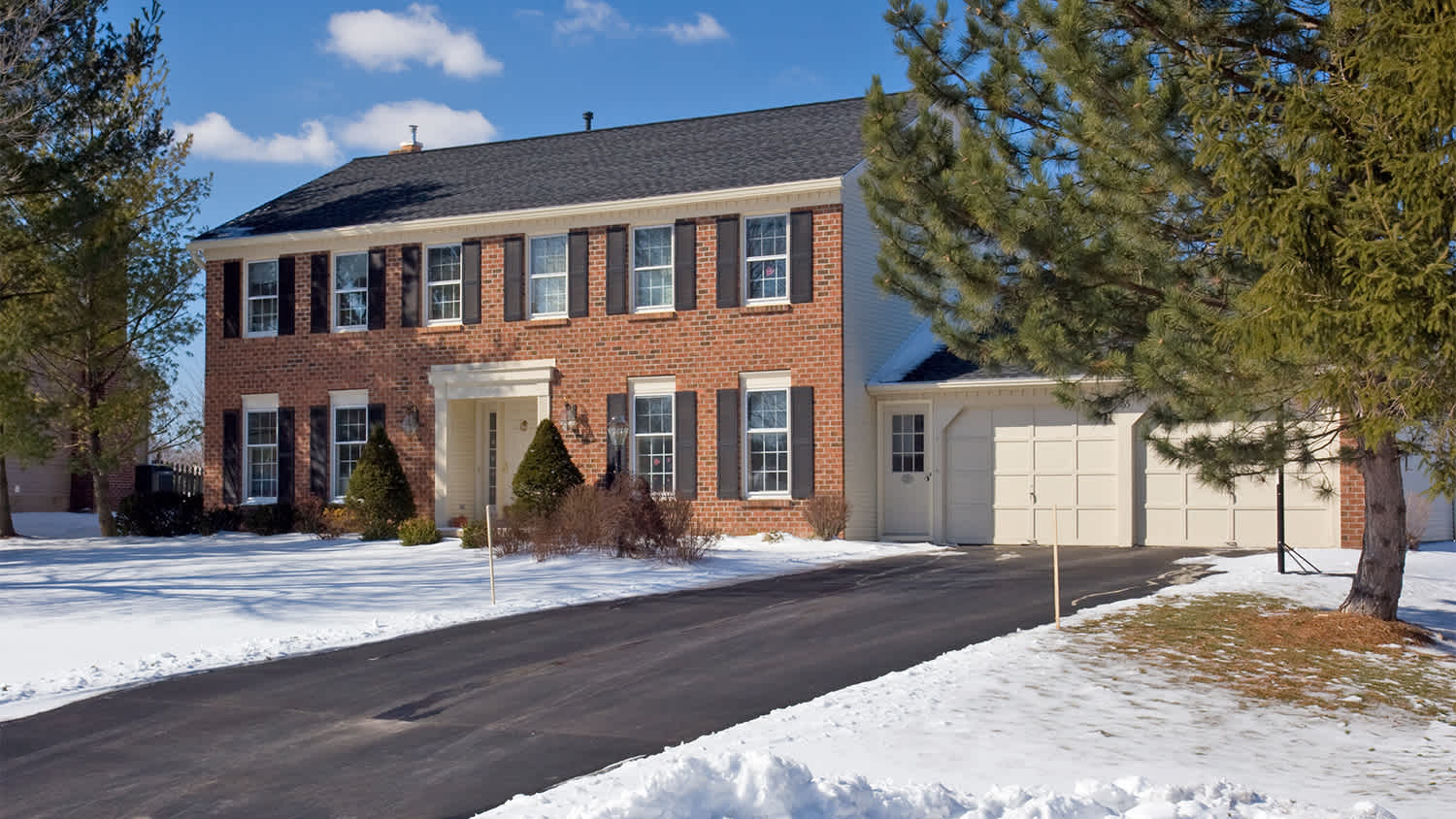
Understand the pros and cons of heated driveways, their value and cost factors, and determine whether they are the right investment for your home. Heat driveways are a great investment for those experiencing extreme winters and would prefer a
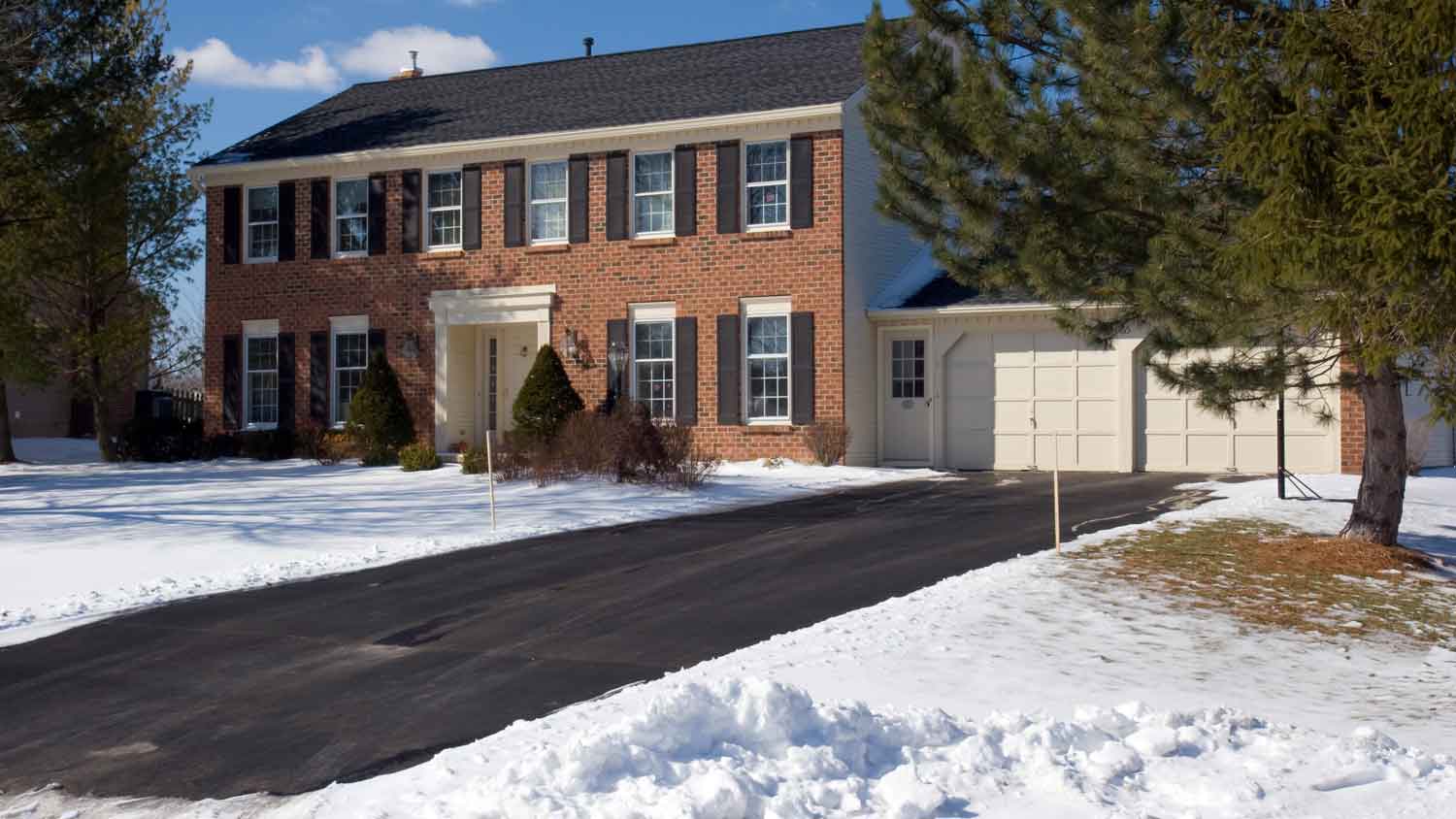
Heated driveway mats can save you from needing to shovel and deice your driveway after every snowfall. Learn all about heated driveway mats and how they work to determine if they're the right choice for your household.
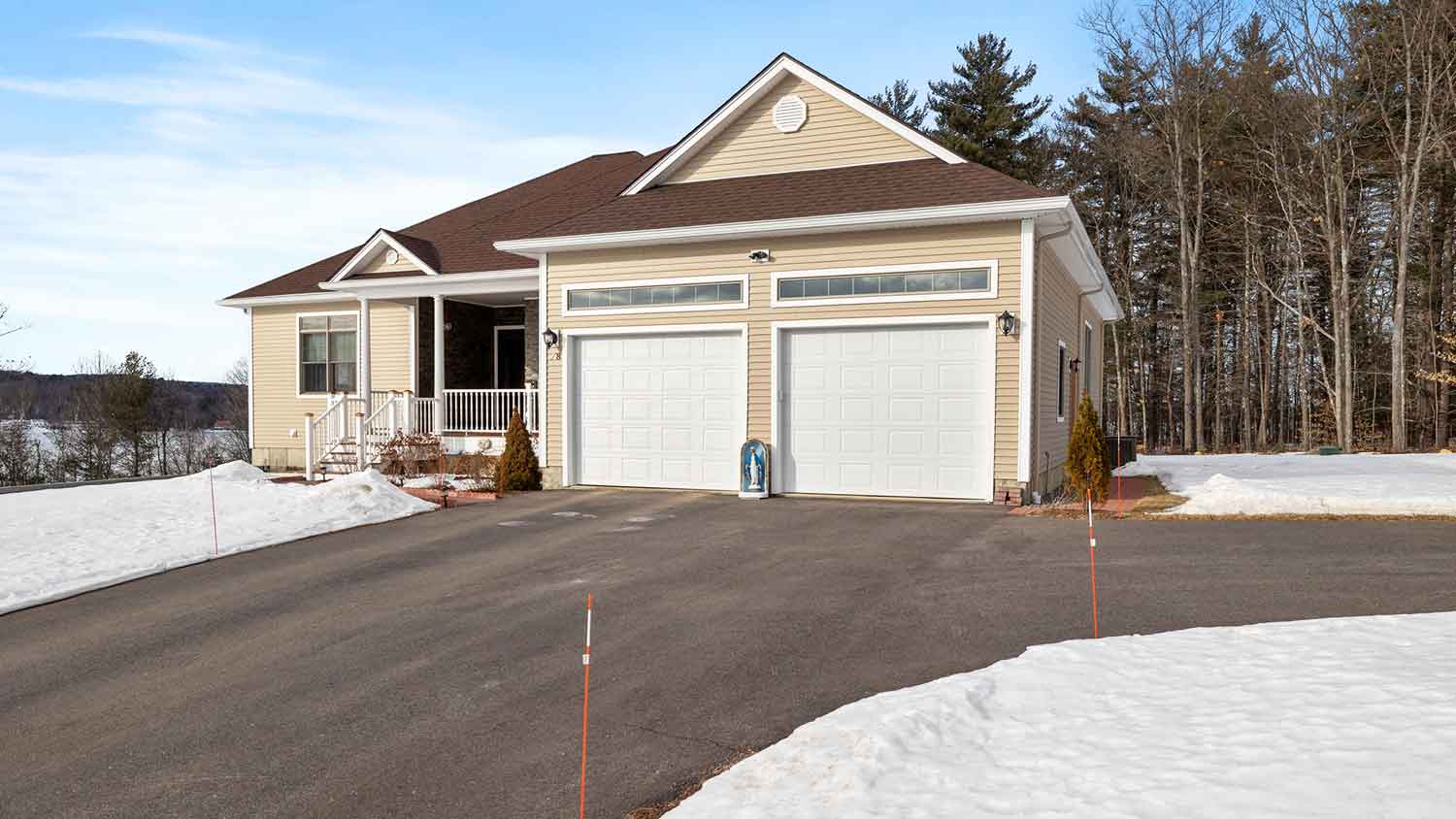
There are three types of heated driveways, including electric, hydronic, and portable mats. See which one stacks up in this tell-all.