




Top-rated paving pros.

Best paving pros near Mount Vernon, IA

Enter your zip and get matched with up to 5 pros

Need a pro for your paving service project in Mount Vernon, IA?

Select your specific project to find the pro for you.

TRUSTED BY MOUNT VERNON, IA HOMEOWNERS

  • Average homeowner rating star icon3.7
    Average homeowner rating
  • Verified reviews icon18
    Verified paving services reviews

Top-Rated Paving pros in Mount Vernon - Updated Nov 2026

Avatar for TLC Property Services
TLC Property Services
4.9(
17
)
Interlocking Pavers for Patios, Walks & Steps - Install

Serving Mount Vernon, IA and surrounding areas

Approved

In business since 2017

Free estimates

Emergency services offered

"Tyler was the first to respond to my inquiry regarding deck power washing/sanding/staining and his quote was very reasonable. He and his coworker were thorough, conscientious and very professional. I would highly recommend them to anyone!"
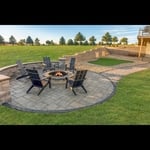
Outdoor Patio
Outdoor Patio
Outdoor Patio
Outdoor Patio
Outdoor Patio

+21

Response time3 days
21 neighbors recently requested a quote
Recommended by56%of homeowners

C.W. Construction
3.0(
29
)
Asphalt Paving - InstallAsphalt Paving - Install- For BusinessAsphalt Paving - Repair or Patch+2 more

Serving Mount Vernon, IA and surrounding areas

In business since 1995

Free estimates

Credit card accepted

"After not hearing back from other companies for estimates, C&W was very prompt in providing us with an estimate. The work was completed within two weeks of getting the estimate. Staff was very courteous. So far driveway looks great."
Response time2 days
Recommended by80%of homeowners
Avatar for Royals Design & Landscaping LLC
Royals Design & Landscaping LLC
5.0(
3
)
Interlocking Pavers for Patios, Walks & Steps - Install

Serving Mount Vernon, IA and surrounding areas

In business since 2023

Free estimates

Credit card accepted

"Work was done in a timely and professional manner. Some of our neighbors inspected the project and were so impressed that they contacted them to bid on some of their projects. Would highly recommend them to other friends and family."
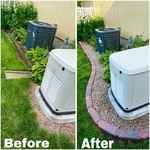
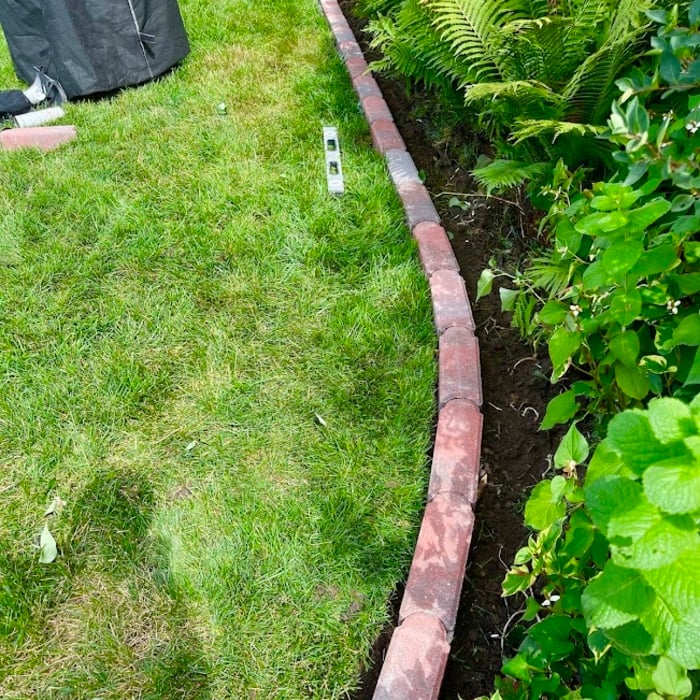
Landscape edging before and after
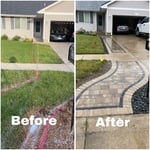
Before and After picture of Paver walkway
Landscaping Edging
Before picture of paver walkway
Landscape Edging

+23

Response time1 day
Response rate94%
Recommended by66%of homeowners
Showing 1-10 of 32
Paving Services FAQs, answered by experts

Yes, but it's best to kill off the grass with solarization and remove the dead plant matter before laying down the pavers. This helps limit the chance of your pavers shifting as the dead plant matter decomposes.
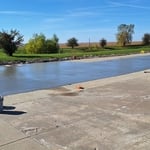
Wet cutting is usually the preferred method. It controls dust, which helps protect your lungs and makes for a cleaner working environment. Plus, the water cools the blade, preventing overheating and prolonging its life while providing smoother, more precise cuts. The downside is the mess—water and asphalt sludge can be messy to clean. Dry cutting, though convenient if water isn’t available, creates a lot of dust, which can be harmful. This also increases the risk of blade damage due to overheating. So, if you have the option, wet cutting is the better method for most asphalt jobs.

While some areas may allow for a slope of up to 20%, this is often the maximum slope for driveways, with a few exceptions of up to 25%. Other regions may have a maximum of 12%, 15%, or 18%, so check with your local building department to ensure you’re laying a driveway that is up to code for your location.

You can pour concrete over asphalt if it’s in good condition, thick, stable, and well-compacted. Concrete is more durable than asphalt and can extend the lifetime of your driveway without having to pay frequent asphalt driveway repair costs or replace it completely. 

But this is best reserved as a temporary solution based on budget restraints, as asphalt requires more frequent repairs and assessments than concrete. Once that concrete top is poured, it’ll be harder to accurately understand what’s happening beneath that layer, which could lead to more issues.
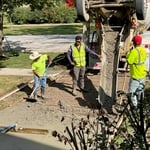
Generally speaking, tiles are for indoor use, while pavers are for outdoor use. The main difference between travertine tiles and pavers is their thickness. Tiles are around 1/2 inch thick, and pavers are 1 1/4 inches to 2 inches thick.

Pavers are more rugged and can handle different weather. The extra thickness on pavers also makes them ideal for high-traffic areas.

The Mount Vernon, IA homeowners’ guide to paving services

From average costs to expert advice, get all the answers you need to get your job done.