





Top-rated arborists.

Get matched with top arborists in Shingle Springs, CA

Enter your zip and get matched with up to 5 pros

Need a pro for your arboricultural service project in Shingle Springs, CA?

Select your specific project to find the pro for you.

TRUSTED BY SHINGLE SPRINGS, CA HOMEOWNERS

  • Average homeowner rating star icon4.5
    Average homeowner rating
  • Verified reviews icon1.5k+
    Verified arboricultural services reviews

Find Arborists in Shingle Springs

Avatar for Highground Excavating and Tree Service, Inc.
Highground Excavating and Tree Service, Inc.
4.8(
51
)
Tree Removal

Serving Shingle Springs, CA and surrounding areas

Approved

In business since 2010

Free estimates

Emergency services offered

"From start to finish, the employees of HighGround Excavating were professional and amazing! They came out within a day, prepared an estimate the next day, and were removing 14 trees by the end of the week. Everything they said they would do was completed before the end of the day."
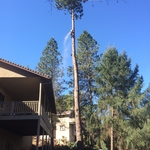
Hazard Tree Removal
Hazard Tree Removal
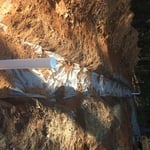
Waterline 1
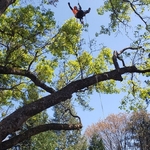
Up in the air
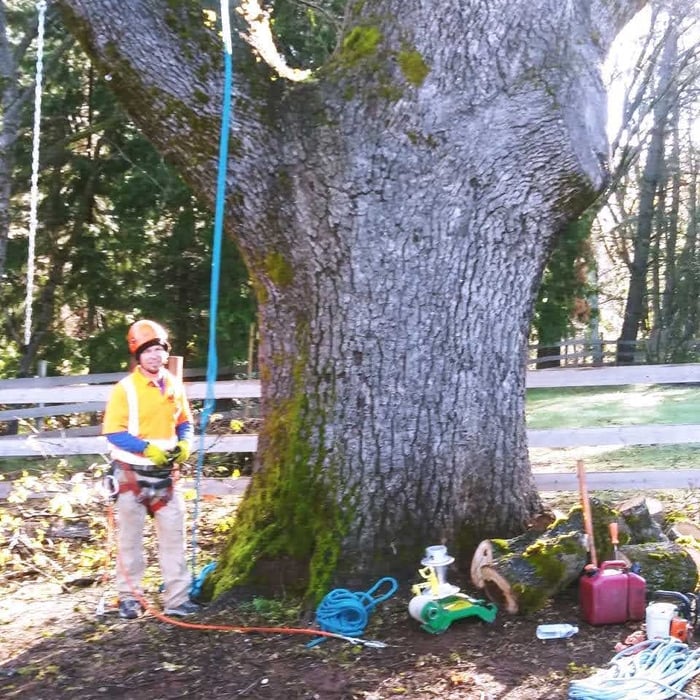
At the base of the tree

+10

Response time12 hrs
Response rate88%
3 neighbors recently requested a quote

Avatar for Sierra View Tree Service Inc
Sierra View Tree Service Inc
4.8(
36
)
Tree TrimmingTree RemovalTree Stump - Remove+3 more

Serving Shingle Springs, CA and surrounding areas

Approved

In business since 2024

Free estimates

Credit card accepted

We pride our company on reliability, great communication, integrity, and quality work. We are experts in our trade and will do our best to keep you as educated as we can on your particular task or project. We look forward to earning your business! Book with us online or feel free to give us a call today!

74 neighbors recently requested a quote
Recommended by19%of homeowners
Avatar for Ace Tree Enterprise, Inc.
Ace Tree Enterprise, Inc.
4.2(
5
)
Tree Removal - For Business

Serving Shingle Springs, CA and surrounding areas

Approved

In business since 2011

Free estimates

Emergency services offered

Ace Tree Enterprise Inc is committed to excellence in every aspect of our business. We uphold a standard of integrity bound by fairness, honesty, and personal responsibility. Our distinction is the quality of service we bring to our customers. Accurate knowledge of our trade combined with ability is what makes us true professionals. Above all, we are watchful of our customers' interests, and make their concerns the basis of our business.\n

Response time2 days
Recommended by100%of homeowners
...
Showing 1-10 of 86
Arborists questions, answered by experts

In most cases, you should not use a pruning seal on trees after trimming. Applying a sealant can interfere with the tree's natural healing process, and it does not guarantee protection from pathogens. Instead of sealing the cut, the best practice is to support the tree's natural recovery by providing it with plenty of water and a dormant-style fertilizer. However, there are exceptions. Pruning seals may be recommended for very vulnerable species, like elm trees, in areas where dangerous diseases such as Dutch elm disease are prevalent. In these specific situations, the protection offered by a sealant can outweigh its downsides. For advice tailored to your situation, especially after cutting large branches, it is best to consult a local tree trimming professional.

A tree growing close to a house can pose several risks, but removal isn't always the only or best solution. Potential problems include roots growing into the foundation and causing structural cracks, branches damaging the roof or promoting moss growth, and debris clogging gutters, which can lead to water damage. Trees can also provide access for pests and encourage mold. However, a small, healthy tree may not be a problem, and for larger, established trees, strategic trimming can be a cheaper and more beneficial alternative to removal. It is generally recommended to take action for trees within 10 to 20 feet of your home, especially if they are unhealthy or encroaching. Your best bet is to consult a professional arborist who can assess the specific situation and provide expert advice.

The best time to transplant a tree is when it is dormant. For many trees, this means either in the fall after the leaves have dropped (around October or November) or in early spring before new growth begins (around March). The ideal timing can depend on the type of tree. Deciduous trees do well when moved in early spring or fall, while evergreens are best transplanted in early spring or late summer. For example, pine trees are best moved in early fall, but maples prefer late fall. Avoid transplanting in winter, as the frozen or hard, cold soil poses a significant risk to the roots and prevents the tree from acclimating properly.

It's easy to misidentify trees that appear to be maple trees due to similarities in leaf shapes. Sweetgum, sycamore, and yellow poplar all have leaf shapes and appearances similar to maples. The fact that around a dozen maple tree varieties exist, only about half of which are considered common, makes misidentification an often typical occurrence.  

If you ever want to see the literal fruits of your labor, you’ll need to prune your peach trees. Without pruning, the trees may not grow or bear fruit since the nutrients will be divided among too many offshoots to provide any with enough energy to produce the peaches. Plus, if parts of the peach tree become diseased or pest-ridden, pruning can nip those problems in the bud.

The Shingle Springs, CA homeowners’ guide to arboricultural services

From average costs to expert advice, get all the answers you need to get your job done.