



Top-rated electricians.

Get matched with top electricians in Saugus, CA

Enter your zip and get matched with up to 5 pros

TRUSTED BY SAUGUS, CA HOMEOWNERS

  • Average homeowner rating star icon4.6
    Average homeowner rating
  • Verified reviews icon1k+
    Verified electrical services reviews
Electrical questions, answered by experts

Yes, wire connectors are the better option for securing splices compared to electrical tape. It is not recommended to use electrical tape as it is not secure enough to keep the splices together. Plus, electrical tape is more vulnerable to damage, which can cause a risk of fire over time. 

No, not all thermostats require a C-wire. Older manual and programmable thermostats typically do not need one. While many smart thermostats do require a C-wire to function correctly, some models can operate without one, often at the expense of certain features. A C-wire provides a constant source of power, which enables the thermostat to stay connected to Wi-Fi and keep its display screen lit on-demand. If you are upgrading from an older thermostat to a smart model that requires a C-wire, you may need to install one first for it to work as intended.

Poorly designed and incorrectly installed outlets can create an electrical fire hazard, as do some phone chargers and adapters that plug into these outlets. However, most outlets are perfectly safe as long as they remain in working condition. Keep an eye on what you are plugging into the outlet and stay alert for signs of outlet malfunction, like sparks, burning smell, or frequent circuit tripping.


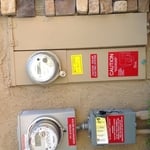
Upgrading your electrical panel is often worth the cost for safety, improved electrical performance, and potential long-term savings. A primary benefit is preventing electrical fires and other hazards from a malfunctioning panel, ensuring your household's safety. An upgraded panel also provides a steady flow of electricity, eliminating issues like flickering lights and frequently tripped breakers. It allows you to connect additional appliances without overloading the system, which is especially beneficial for older homes with 100-amp service that are prone to overheating. If you run large appliances like central air conditioning, heating systems, hot tubs, or saunas, you might consider upgrading to a 300- or 400-amp service to meet the higher electrical demand. Furthermore, an upgrade can lead to long-term savings on energy bills and potentially lower insurance costs.

Typically, refrigerators should not be plugged into GFCI outlets. This is another appliance with a motor that can be prone to a little current leakage. Using a standard outlet saves nuisance tripping and the potential of waking up to a refrigerator full of warm food. The only exception is when the refrigerator is in a garage, where all outlets must be GFCI.