

Switching from oil to gas heating could impact your savings. This guide will help you understand the cost to convert from an oil furnace to a gas furnace.
It’s cool to know how this essential appliance works

Understanding how a furnace works helps you catch issues early, as your furnace draws in cold air, heats it through combustion or coils, and pushes it through ducts.
Your furnace relies on key parts like the heat exchanger, blower fan, and thermostat working together to keep your home warm and comfortable through winter.
Changing furnace filters every three months and keeping vents clear reduces strain on your system, helping your furnace run smoothly and last longer.
Hiring a local furnace installation professional provides reliable guidance on maintenance, inspections, and repairs, keeping your heating system safe and efficient.
Your furnace is a hard-working appliance that keeps your family safe and warm when winter comes to town. But this heating unit relies on several moving parts to work properly, and it can quickly stop working if one part malfunctions. Knowing how a furnace works can help you catch minor issues before they become big problems. Here’s everything to know about the ins and outs of your furnace.
While the specifics will vary based on the type of furnace you have, a furnace works by drawing in indoor air through return vents, using fuel such as gas or electricity and a heat exchanger to heat the air, then using a blower fan to push the warmed air through your home’s ductwork. Finally, the heated air blows out through supply vents to the rooms in your home.
The furnace knows when to kick on and heat your home thanks to the thermostat, which you can program to your preferred heat settings. The thermostat has sensors to monitor indoor air temperatures and will signal to the furnace when it’s time to start heating the air.
Natural gas furnaces are one of the most common furnace types in the nation. A gas furnace works by drawing in cooler air from the home and blowing it over a heat exchanger. The heat exchanger is connected to a combustion chamber, where a mixture of natural gas and air are ignited to create heat. The air is warmed by the heat exchanger, then pushed through the air vents.
The gases created from combustion, such as carbon monoxide, are vented out through a flue to the outdoors.
Install carbon monoxide alarms on every level of your home, in central locations, and outside bedrooms. Check all of your carbon monoxide detectors every month, and replace the batteries on a set schedule according to the manufacturer’s instructions.

Similarly to a natural gas furnace, an oil furnace warms air through combustion. With an oil furnace, the oil is stored in a tank somewhere on your property, such as in the basement or even outside. The oil is drawn into the combustion chamber by the burner assembly and made into a mist before it’s ignited.
The rest of the process is familiar: The cooler air from the home is pulled to the heat exchanger, which is warmed by the ignited oil. Then, the air blows through the ducts and out the supply vents.
Like with an oil furnace, a propane furnace needs a space for a propane tank to store the fuel. This furnace type works in a similar way as an oil furnace, too. The propane is turned into a gas, which is ignited by a burner to produce heat. As air passes over the heat exchanger, it is heated before blowing through the ducts and out to the vents around the home.
Rather than relying on a liquid or gas fuel, an electric furnace uses coils that are heated through electricity. The cooler air from the home is pulled into the furnace and passes over the hot coils, warming the air. The warm air is then blown out to the ducts for dispersal. If you have a type of electric furnace known as an electric heat pump, it can double as a cooling unit because it contains additional parts needed for cooling, such as a second coil and a compressor.
Location can play a part in which furnace fuel works best for you. Gas and electricity will require a connection to local utilities, but oil and propane work for more remote homes. You can talk with a local furnace installer to determine which option is best for your heating needs.

There are several parts of a furnace that work together to keep your home warm through the winter. Some of the most important furnace parts to know include:
Return vents: Return vents are where cooler air from around the home is drawn into the ductwork and directed to the furnace for heating.
Supply vents: Supply vents are where you can feel the warm air being pushed out from the furnace and into your home.
Thermostat: You’re probably most familiar with the thermostat since this essential furnace component is where you can control just how warm you want to keep your home.
Burner assembly: The furnace burner is responsible for mixing fuel and air in the combustion chamber to create an ignitable fuel.
Combustion chamber: The combustion chamber is where the igniter sets fire to the fuel source, such as gas, oil, or propane, to create heat.
Heat exchanger: The heat exchanger is attached to the combustion chamber but uses metal tubes to separate the heated air destined for your living spaces from the exhaust gases produced during combustion.
Blower fan: This small fan blows cooler return air over the heat exchanger and then through the ducts to various vents around the house.
Blower motor: The blower motor powers the blower fan.
Ductwork: Ductwork is a system of ducts, and these are the metal pathways behind walls and ceilings that carry air from the home into the furnace and back out again.
Flue pipe: The flue pipe is where exhaust gases are released to the outdoors. The flue pipe goes from the back or top of the furnace out to the roof.
To avoid having to deal with a furnace that won’t blow hot air when you really need it to, you should keep up with regular furnace maintenance. Plus, keeping to a furnace maintenance checklist can even extend the life of your furnace. Some of the most important furnace TLC items include:
Changing furnace filters at least once every three months
Keeping 30 inches of space clear around all sides of the furnace
Making sure return and supply vents are open to avoid extra strain on the furnace
Cleaning vent covers once per month
Installing smoke and carbon monoxide detectors and testing them monthly
Scheduling professional inspections and furnace cleanings at least once per year
I have used Columbus Worthington Air for years and recommend them whenever I have a chance. The staff is quick, courteous, and well-trained.
 ARS Columbus Worthington Air
If you’re good people wanting to do business with good people, hire Matt. He is a consummate professional and utterly competent. He installed a water heater in my home at a price that beat competitors by hundreds of dollars with a promise to support the unit for its life (even after its 6 yr...
 Greene's Plumbing Services
Corey Carr was great. I had damage from a recent storm and needed to have my mast and other components replaced. The project entailed coordinating with AEP, and Corey helped make a stressful situation a lot less stressful. I really appreciated his dedication to service and the job very well done.
 Mr. Electric of Columbus
This service was great. My air conditioner went out during the heat spell that we had. My husband has health issues and they came out that night and at 9:30pm the air conditioner was fixed and running. We are sooo very thankful, this is the company I will be using from now on and would...
 Mr. Mechanical Ohio
Great company! Price was competitive, technician showed up on time and completed the job (exterior electric Radon fan replacement) quickly. Would hire them again.
 MaGen Property Inspections and Radon Mitigation
Raven and crew does absolutely fantastic job. They are very professional if any concerns were to occur with any of her work she always took responsibility and finished out with a great job. I have worked with her business for a year and have always been satisfied. Very trusted business and...
 Creations of Transformation LLC
I would recommend this company to anyone! He showed up on time, was friendly, completed a very difficult repair on our dryer vent cover, was responsive, and pricing was extremely fair and competitive. I would have him back to do any of our repairs or cleanings without hesitation!
 U.S.A. Dryer Vent, LLC
Ace Fireplace Services' chimney sweep service is truly exceptional. They used advanced technology to ensure a thorough cleaning process, and my chimney has never looked better. I highly recommend their services.
 Ace Fireplace Services
The technician was very professional and friendly. He answered all my questions and was very thorough. He left the fireplace area very clean . He inspected from the roof and advised me as to other work that might need to be done. There was no pressure there. I was very satisfied with the...
 Supreme brick & chimney
On time, clean and finished fast. Windows seem sturdy and the finish is good. Caulking was done with no smudges. Would recommend.
 Window Depot USA of Central Ohio
From average costs to expert advice, get all the answers you need to get your job done.
Switching from oil to gas heating could impact your savings. This guide will help you understand the cost to convert from an oil furnace to a gas furnace.

Gas furnace replacement costs depend on the type of furnace you want and installation fees. Our guide explains all the factors involved in a new furnace cost.
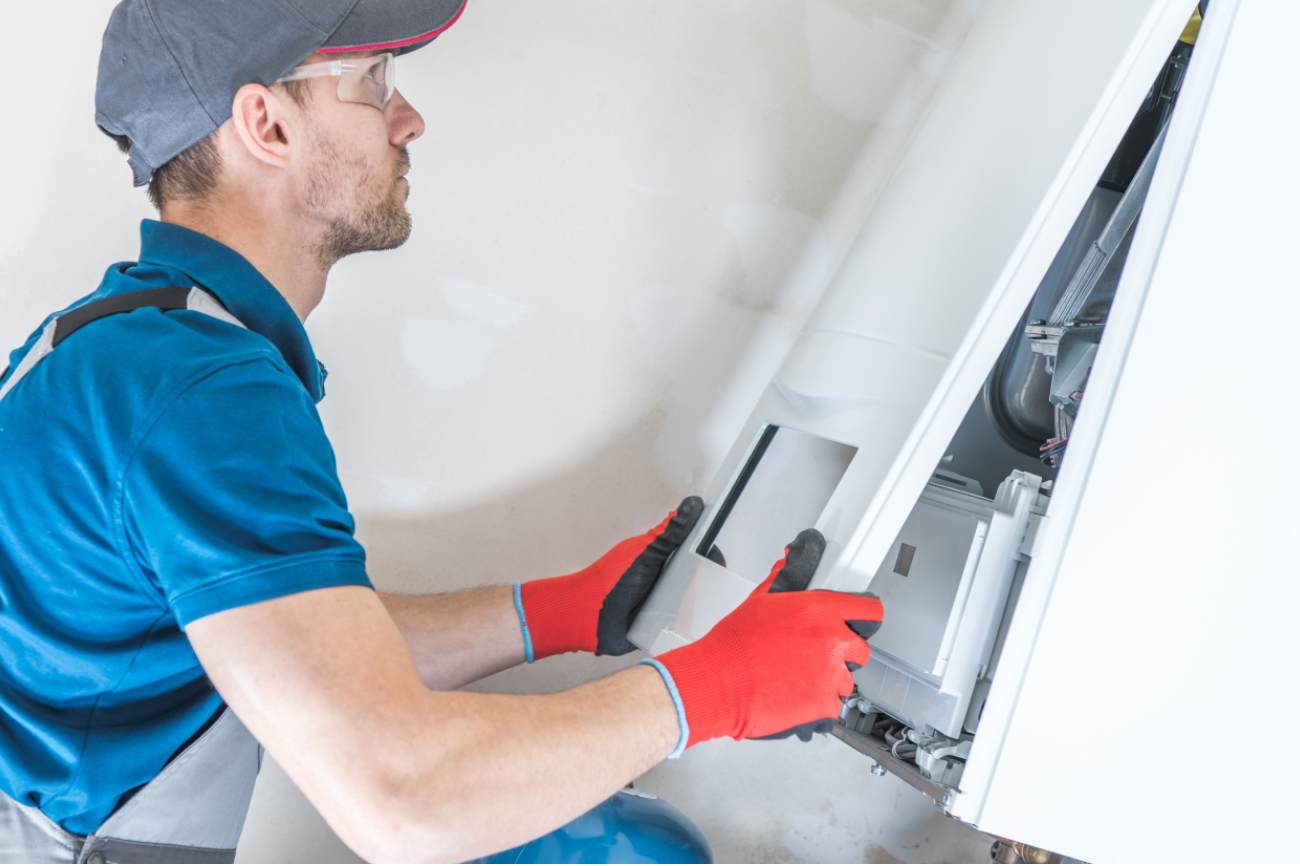
Moving a furnace a few feet is not a huge matter. However, moving a furnace to another room or different part of the house will probably cost a few thousand dollars. It's a major job involving numerous different professionals.

Does your furnace need a tune up? Use this furnace maintenance checklist to keep things running smoothly.

Need to purchase a new gas furnace but aren’t sure which type is right for your home and needs? Taking a little bit of time to research furnaces to see which option is right for you can save you money over time. Here’s a look at five furnace types.
It’s normal if your furnace smells like gas when you first turn it on for the cold season. But if there’s a leak or malfunctioning part, that smell of rotten eggs could mean danger.