

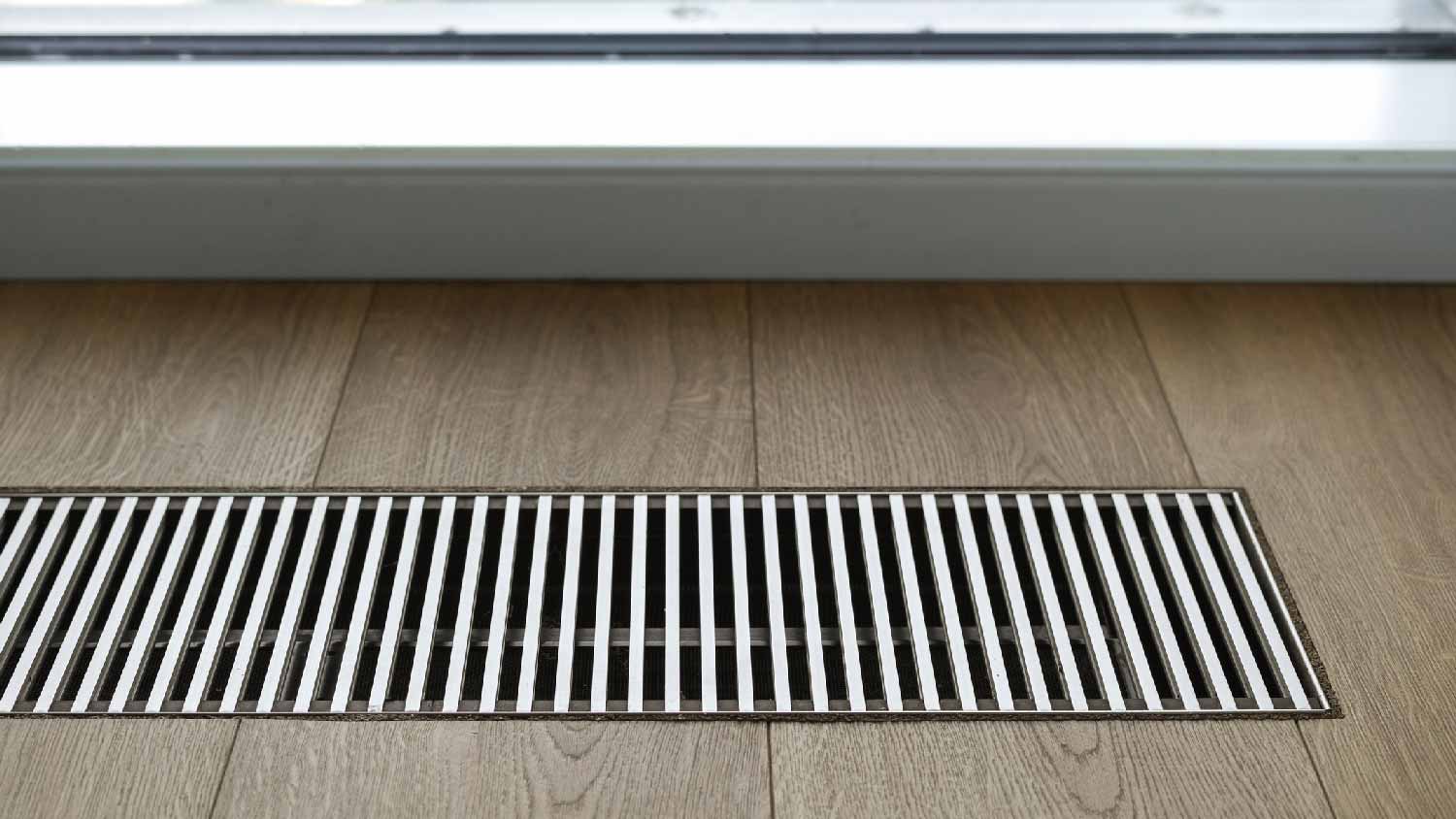
Air duct inspections ensure your ductwork is in tip-top shape. Learn all the air duct inspection cost factors that impact what you’ll pay.
Heating and air conditioning service costs depend on your project and location. Check with a local pro for your specific job.

Professional HVAC inspection services cost between $70 and $500 depending on your system type, home size, and location.
Boiler inspections require more time and specialized equipment than furnace or air conditioner inspections, which increases your service cost for these units.
Rural homeowners should budget for travel fees of $25 to $50 if the HVAC contractor needs to drive outside their standard service area.
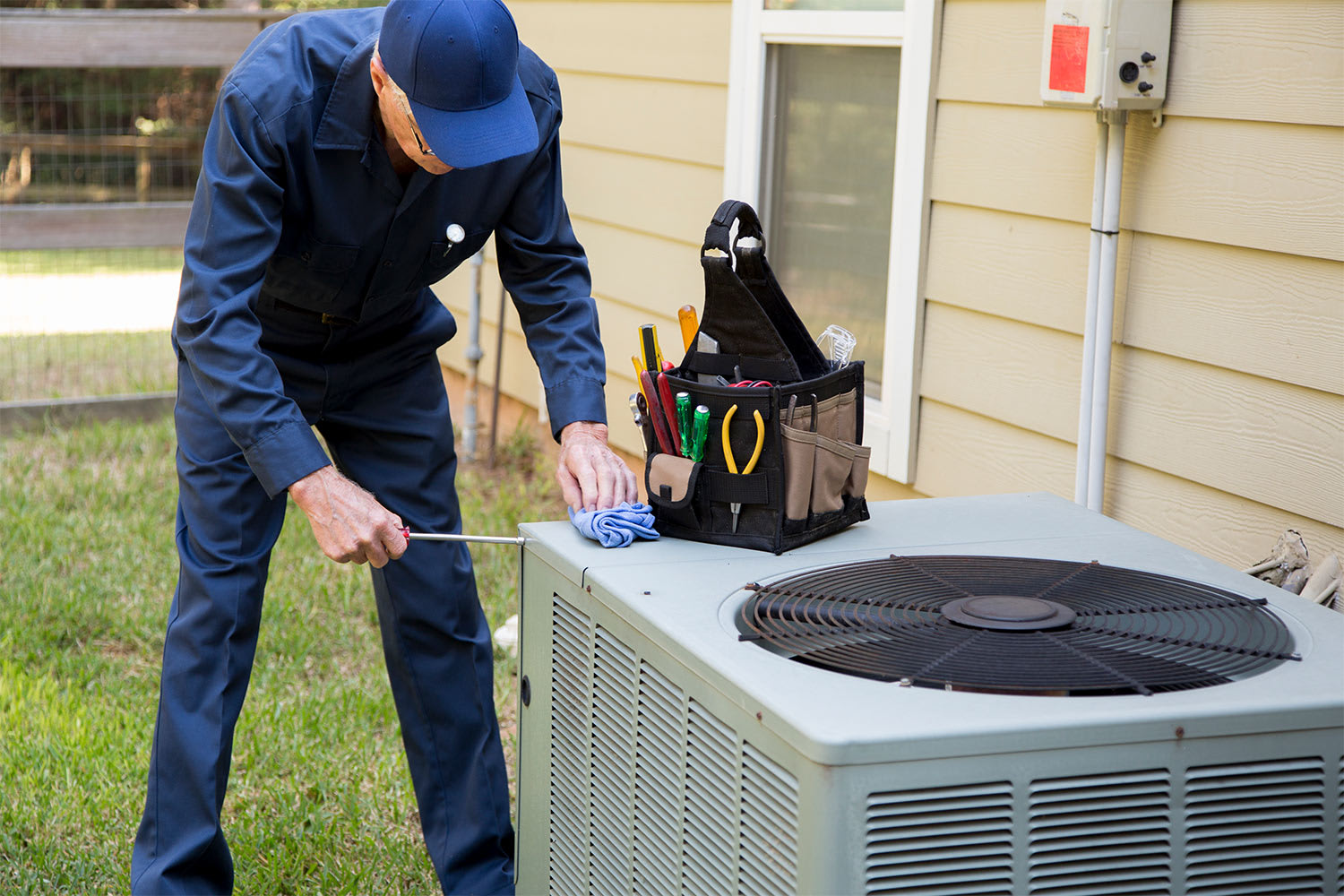
Hiring a local HVAC company ensures your system runs efficiently and extends its lifespan through professional maintenance and early problem detection.
In 2026, the national average HVAC inspection cost is $300, giving homeowners a reliable benchmark before scheduling service. Most homeowners pay between $70 and $500, with the spread driven by system type, home size, and your location.
Several variables shape the cost of your home HVAC inspection, and understanding them helps you budget accurately and avoid surprises. The sections below break down how each factor affects what you'll pay.
Larger homes often rely on multi-zone HVAC systems or multiple units, and each additional system gives the inspector more to evaluate, which drives up the total cost. To keep costs manageable, look for an HVAC contractor who offers a flat rate rather than an hourly fee, since large-scale inspections can take considerably longer to complete.

The type of system being inspected is one of the strongest cost drivers, with prices ranging from $75 to $300 depending on complexity. Simpler components like air ducts and vents fall at the lower end, while furnaces, boilers, and air conditioners with multiple running parts cost more to inspect. If you suspect a problem with just one component, a targeted inspection of that unit alone may be all you need. HVAC inspection costs can vary by system type, as the breakdown below shows:
| System Type | Description | Average Cost in 2026 |
|---|---|---|
| Furnace | Includes an inspection of the filters, fans, and burners | $80–$100 |
| Air conditioner | Checks filters, coils, vents, and refrigerant levels | $75–$150 |
| Boiler | Assesses fuel levels and ventilation; tests for leaks | $100–$300 |
| Air ducts | Looks for dirt and blockages; may include a leakage test to measure air flow rate | $80–$180 |
An HVAC unit tucked into a tight or hard-to-reach space, such as a crawlspace or attic, will add to your inspection cost because accessing it takes more time and may require specialized equipment. Units installed in open rooms or large basements are straightforward to inspect and typically cost less as a result.
Booking an HVAC inspection during peak demand periods, such as cold winters when furnace calls spike or hot summers when air-conditioner repairs surge, can push your cost higher due to limited contractor availability. Scheduling during the slower spring or fall seasons gives you access to lower rates and also reduces the risk of system problems right when you need reliable heating or cooling most.
HVAC contractors set their rates based on the scope of work, so a pre-purchase whole-home inspection, a seasonal tune-up, and a single-component check will each carry a different price. Some contractors charge a flat rate for routine visits, while others bill by the hour at $75 to $150 per hour. Because most inspections take at least an hour regardless of system size, understanding which billing model a contractor uses before you book helps you compare quotes accurately.
Your region affects both how often you need an inspection and what you pay for it. Homes in areas with extreme heat or cold that run HVAC systems around the clock may require more than one inspection per year, while homes in milder climates typically need just one annual visit.
Rural homeowners may face travel fees of $25 to $50 on top of the standard inspection rate, though not every contractor charges these fees, some only apply them to clients who fall outside their defined service area. To avoid extra charges, look for an HVAC company located near you that already serves your area.

Think of an HVAC inspection as an ounce of prevention to reduce the risk of costly HVAC repairs and replacements in the long run. While most HVAC companies set their standard inspection rates, there are some money-saving measures to help find prices that fit your budget.
Shop around and ask for quotes before you book an appointment.
Schedule off-season inspections when HVAC company demands are at their lowest.
Practice regular DIY maintenance to reduce the risk of expensive HVAC repairs.
Focus on your most-used units by having them inspected individually as needed.
HVACs are one of the most complicated and essential systems in our homes. To avoid further damage or safety risks, always hire a certified HVAC specialist to repair or replace broken parts.

However, it doesn’t hurt to keep an eye on your HVAC system and look for these common warning signs that may let you know that professional attention is needed:
Poor air quality
Strange odors and unusual sounds
Inaccurate thermostat readings
Uneven airflow
High or increased energy bills
There are many things you can do yourself to maximize the upkeep of your HVAC system which include:
Changing your furnace and air-conditioning filters
Cleaning dust from your floor and ceiling vents
Keeping furnace and air-conditioner areas free of dirt and debris
When it comes to HVAC inspections, it’s best to leave it to a local HVAC pro. Certified HVAC contractors have the technical expertise and equipment needed to inspect the most complex HVAC systems properly. It’s also important to note that by going the DIY route, you risk voiding your HVAC system’s warranty, which could lead to high replacement costs if needed.
Routine HVAC inspections are key to a safe, efficient system. Here’s why you should hire a pro for the job:
Professionals know how to spot issues with heating, cooling, and ventilation systems before they turn into costly damage.
Hiring a pro ensures your warranty stays valid and your unit complies with safety regulations.
DIY inspections can lead to safety hazards, system failure, and costly repairs.
Experienced HVAC pros know how to service and repair HVAC components such as gas lines, wiring, and ductwork.
Professional HVAC maintenance extends your system's lifespan, improves efficiency, and ensures year-round comfort.
Be prepared to discuss your system type, size, and location with your pro.
Let your pro know the last time your system was serviced and any rising concerns.
Ask about bundling services, such as smart thermostat or zoning system installation, to save on labor costs.
Confirm the appointment time, cost, and services with your pro so you know exactly what to expect.
Home is the most important place on earth, which is why Angi has helped more than 150 million homeowners transform their houses into homes they adore. To help homeowners with their next project, Angi provides readers with the most accurate cost data and upholds strict editorial standards. We extensively research project costs to develop the pricing data you see, so you can make the best decisions for you and your home. We rely on reputable sources, including the U.S. Bureau of Labor Statistics, academic journals, market studies, and interviews with industry experts—all to ensure our prices reflect real-world projects.
Want to help us improve our cost data? Send us a recent project quote to [email protected]. Quotes and personal information will not be shared publicly.
If you’re good people wanting to do business with good people, hire Matt. He is a consummate professional and utterly competent. He installed a water heater in my home at a price that beat competitors by hundreds of dollars with a promise to support the unit for its life (even after its 6 yr...
 Greene's Plumbing Services
Corey Carr was great. I had damage from a recent storm and needed to have my mast and other components replaced. The project entailed coordinating with AEP, and Corey helped make a stressful situation a lot less stressful. I really appreciated his dedication to service and the job very well done.
 Mr. Electric of Columbus
This service was great. My air conditioner went out during the heat spell that we had. My husband has health issues and they came out that night and at 9:30pm the air conditioner was fixed and running. We are sooo very thankful, this is the company I will be using from now on and would...
 Mr. Mechanical Ohio
I normally do not leave reviews, but my experience with Worthington Air was extremely frustrating and disappointing. About 30 days ago, I had a consultation done for an HVAC replacement and was quoted approximately $15,079. Based on that quote, I applied for financing through their company...
 ARS Columbus Worthington Air
Great company! Price was competitive, technician showed up on time and completed the job (exterior electric Radon fan replacement) quickly. Would hire them again.
 MaGen Property Inspections and Radon Mitigation
Raven and crew does absolutely fantastic job. They are very professional if any concerns were to occur with any of her work she always took responsibility and finished out with a great job. I have worked with her business for a year and have always been satisfied. Very trusted business and...
 Creations of Transformation LLC
I would recommend this company to anyone! He showed up on time, was friendly, completed a very difficult repair on our dryer vent cover, was responsive, and pricing was extremely fair and competitive. I would have him back to do any of our repairs or cleanings without hesitation!
 U.S.A. Dryer Vent, LLC
Ace Fireplace Services' chimney sweep service is truly exceptional. They used advanced technology to ensure a thorough cleaning process, and my chimney has never looked better. I highly recommend their services.
 Ace Fireplace Services
The technician was very professional and friendly. He answered all my questions and was very thorough. He left the fireplace area very clean . He inspected from the roof and advised me as to other work that might need to be done. There was no pressure there. I was very satisfied with the...
 Supreme brick & chimney
On time, clean and finished fast. Windows seem sturdy and the finish is good. Caulking was done with no smudges. Would recommend.
 Window Depot USA of Central Ohio
From average costs to expert advice, get all the answers you need to get your job done.
Air duct inspections ensure your ductwork is in tip-top shape. Learn all the air duct inspection cost factors that impact what you’ll pay.

Heating and cooling system on the fritz? Discover the factors that go into HVAC repair costs and how you can save money on this crucial home update.

Inspections are an essential part of furnace maintenance. Prevent inconvenient breakdowns by budgeting for furnace inspection costs and repairs.
Your HVAC system plays a vital role in keeping your home at a comfortable temperature. Learn what to expect from an HVAC inspection, so you can keep cool during one.

From chilly winters to balmy summers, your home’s HVAC helps keep you comfortable. Use this HVAC inspection checklist to ensure it’s doing its job every season.
If you’re asking yourself, "Who do I call to check my HVAC?" The answer is simple: an HVAC technician. Read more to find out why.